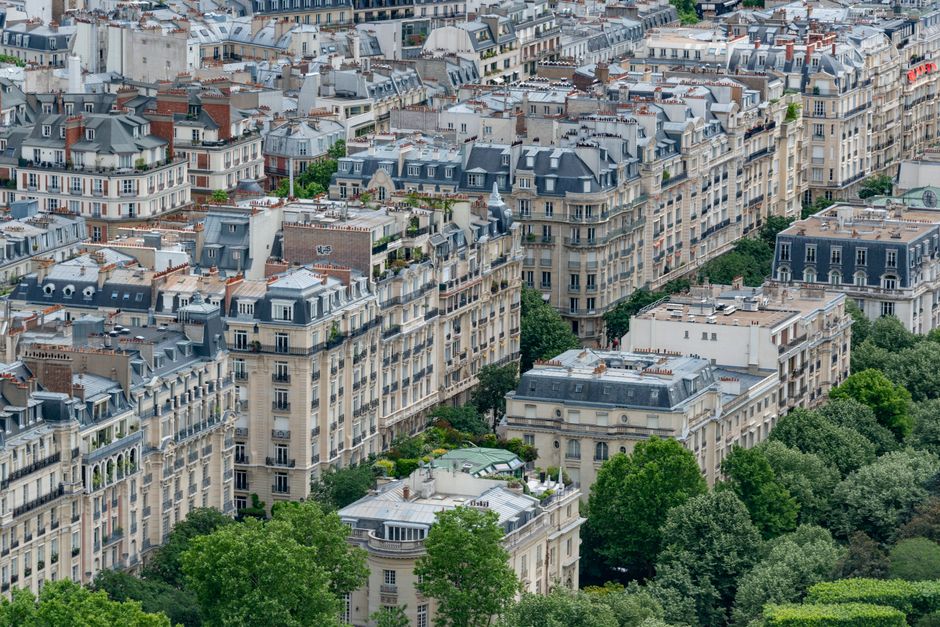
As capital values plateau across central arrondissements, smart investors are pivoting toward secondary neighbourhoods and the Grand Paris periphery—where yields tell a strikingly different story.
Behind the glossy façades of haute couture lies a quieter revolution—one driven by the hands, visions and stubborn determination of the artisans and emerging designers who have transformed a centuries-old craft into something radically contemporary.
As Line 15 stretches toward the suburbs, the French capital is learning hard lessons from peers about managing mega-transport projects—and their price tags.
As demand outpaces supply in trendy inner arrondissements, renters face steeper competition while property owners navigate tighter regulation and shrinking margins.
Unlike other European capitals chasing American models, Paris created something distinctly French: state-backed ambition married to old-world elegance.
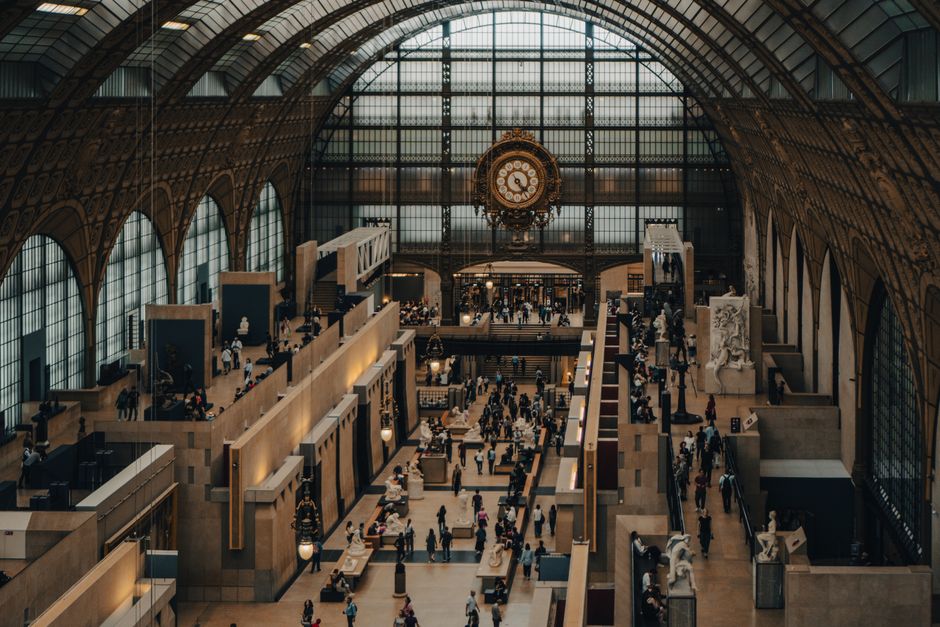
The city's concert scene has transformed from intimate Left Bank clubs to sprawling venues, yet intimate performances remain the lifeblood of a culture that refuses to be fully corporatized.
The rise of delivery-first dining models and automation is forcing recruitment agencies to rethink how they source workers for the city's €8.2bn food and beverage industry.
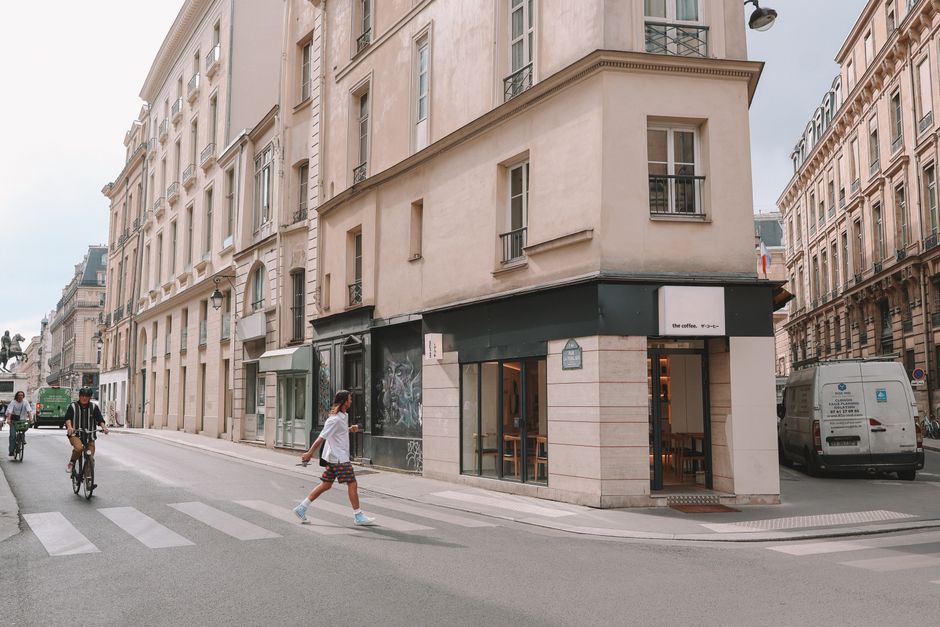
From the bohemian corners of the Marais to leafy Neuilly-sur-Seine, each Parisian quartier cultivates its own distinct parenting ethos and community bonds.
A new generation of artists in the Marais and Belleville are dismantling the gatekeeping of traditional venues, building intimate spaces where experimental theatre thrives.
The completion of extended metro services and revamped riverside routes means Parisians can now escape the city centre in half the time—and locals are embracing a whole new map of leisure.
As the city's startup ecosystem expands beyond Station F, competition for engineers and designers is forcing established firms to rethink recruitment strategies.