Beyond the Eiffel Tower: Your Practical Guide to Actually Living in Paris
Fresh to the City of Light? Here's how to move past tourist traps and discover the neighbourhoods, markets, and rhythms that make Paris home.
Fresh to the City of Light? Here's how to move past tourist traps and discover the neighbourhoods, markets, and rhythms that make Paris home.
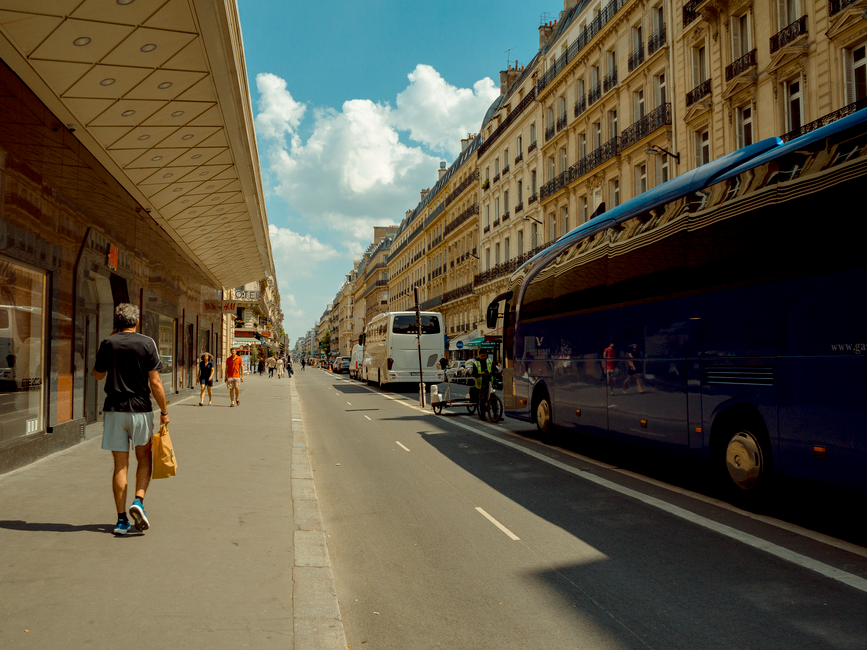
You've signed the lease. You've found a café within stumbling distance of your apartment. Now what? Moving to Paris is exhilarating, but the real city—the one locals navigate daily—operates on unwritten rules and hidden gems that no guidebook captures.
Start with the basics: establishing yourself administratively. The municipal town halls, or mairies, across Paris's 20 arrondissements handle everything from resident registration to library cards. Your local mairie is your first stop; most operate on Mondays and Thursdays until 5 p.m. It's tedious but essential. Bring your passport, proof of address (rental contract works), and patience.
For your neighbourhood identity, spend your first month mapping the rhythm. Walk Rue de Bretagne in the Marais on Saturday morning—the energy, the markets, the energy of locals doing actual shopping—tells you more than a thousand travel articles. Discover your quartier's boulangerie (the one without the tourist queue), your neighbourhood's Thursday or Sunday market, your preferred métro entrance when it rains.
Paris operates on seasons of commerce. July and August see shuttered shops and exodus; plan major errands for May or September. Monthly rent hovers around €800–1,200 for a one-bedroom in accessible neighbourhoods like Belleville, Batignolles, or the 13th arrondissement—significantly cheaper than the Marais or Saint-Germain.
Transport matters more than you think. The monthly Navigo pass (€86.60) is non-negotiable if you're staying; it covers unlimited métro, bus, and RER travel. Biking is increasingly viable—Vélib' subscriptions start at €5 monthly for casual use, though many residents invest in a used bike from the Marais's vintage shops.
Connect with your community beyond expat bubbles. Join neighbourhood associations, frequented by Parisians planning local events. Libraries like Bibliothèque Forney offer free workshops. Community gardens exist across Paris—plot availability at La Main Verte or similar initiatives provides instant belonging and fresh vegetables.
Culturally, forget queuing at the Louvre. A Carte Musées pass (€85 annually) grants skip-the-line access to Paris's 60+ museums. Lesser-known institutions—the Musée Delacroix, Maison de Balzac—reward curious exploration with solitude and substance.
Finally, embrace the administrative chaos. Lost paperwork, bureaucratic loops, and seemingly nonsensical requirements are universal Paris experiences, not personal vendettas. Coffee shops on Boulevard Saint-Germain have been witness to decades of expats processing this acceptance.
Welcome home.
This article was compiled by AI from the sources linked above and screened before publishing. See our editorial standards.
How does this story make you feel?
Spread the word
About this article
Published by The Daily Paris
Daily brief
Free, in your inbox before 7am. Weekdays.
More in lifestyle