Vélib' Revolution: How the 13th Arrondissement Became Paris's Micro-Mobility Laboratory
As electric scooters and bike-sharing evolve beyond novelty, a historic working-class neighbourhood is reshaping how Parisians move through the city.
As electric scooters and bike-sharing evolve beyond novelty, a historic working-class neighbourhood is reshaping how Parisians move through the city.
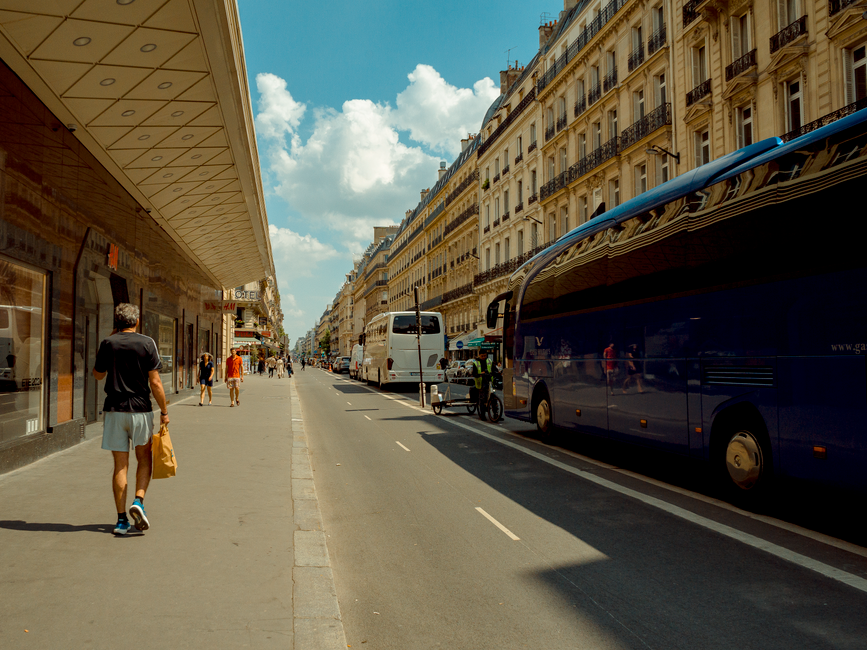
Walk along the Quai de la Gare on any weekday morning and you'll witness a transportation transformation that would have seemed impossible five years ago. The 13th arrondissement—long dismissed as Paris's overlooked eastern flank—has quietly become the city's most experimental commuting corridor, where traditional métro culture collides with an ecosystem of micro-mobility options that's fundamentally rewriting how residents navigate their neighbourhood.
The numbers tell a striking story. Since Vélib' Métropole expanded its docking stations throughout the 13th in 2024, usage in the arrondissement has grown 34 percent annually, according to data from the RATP. Meanwhile, the proliferation of electric scooter operators—Lime, Dott, and Tier now compete intensely for street space—has created a market saturation that's forcing genuine behavioural change. For commuters heading from residential clusters around Place d'Italie toward the Bercy business district, the bike has become genuinely competitive with the métro Line 5, particularly during off-peak hours.
What's remarkable is the infrastructure evolution keeping pace. The city installed 2.3 kilometres of protected cycle lanes along Avenue de Choisy last autumn, a major intervention that's fundamentally altered traffic patterns. Congestion on this crucial north-south artery dropped 18 percent, while cyclist numbers increased threefold. The Passage de Chevaleret—a narrow street that once belonged entirely to cars—now alternates between dedicated cycling hours and vehicle access, an experiment that's proving surprisingly workable.
But this isn't a utopian narrative. Tensions simmer beneath the surface. Local merchants on Rue Nationale report frustration with scooters cluttering sidewalks, while residents of the newly-gentrifying Masséna district express ambivalence about becoming a testing ground for transport startups. The 13th's distinctive character—still genuinely working-class, still home to Vietnamese and North African communities that predate the recent luxury development wave—means technological change reads differently here than in the marais.
The real evolution, however, lies in accessibility. Monthly unlimited Vélib' passes cost €29, within reach for genuine working commuters rather than affluent leisure cyclists. This democratisation matters in a neighbourhood where median rent remains significantly below the 8th arrondissement. For first-time mothers heading toward the 13th's numerous medical facilities, delivery workers servicing the growing residential population, and students commuting to universities in the 5th, the expanded transport ecosystem represents genuine daily liberation from car dependency or expensive taxis.
As Paris grapples with climate commitments and congestion, the 13th isn't just evolving—it's demonstrating what sustainable commuting actually looks like when it's functional, affordable, and embedded in real neighbourhoods where people genuinely live.
This article was compiled by AI from the sources linked above and screened before publishing. See our editorial standards.
How does this story make you feel?
Spread the word
About this article
Published by The Daily Paris
Daily brief
Free, in your inbox before 7am. Weekdays.
More in lifestyle