Paris Sits Still: The Best Meditation Classes, Groups and Apps Worth Trying This Summer
From the 10th arrondissement to the Bois de Boulogne, a practical guide to finding quiet in one of Europe's noisiest capitals.
From the 10th arrondissement to the Bois de Boulogne, a practical guide to finding quiet in one of Europe's noisiest capitals.
Attendance at drop-in meditation sessions across Paris jumped roughly 35 percent between January and June 2026, according to booking data compiled by the wellness platform Gymlib, which tracks reservations at more than 400 studios in Île-de-France. The numbers tell a simple story: Parisians are stressed, they know it, and a growing number of them are doing something about it.
The timing is not accidental. A long run of economic uncertainty — property prices softening, job markets shifting, the relentless hum of AI integration into daily working life — has pushed mental load to the front of the conversation. French general practitioners, operating inside the country's universal healthcare system, have quietly begun recommending structured mindfulness programmes as a complement to clinical care, particularly for patients presenting with anxiety or insomnia. The French national health authority, the Haute Autorité de Santé, formally acknowledged mindfulness-based cognitive therapy, known here as MBCT, as a supported intervention for recurrent depression back in 2022. That institutional endorsement has given studios and teachers a certain legitimacy they lacked five years ago.
The most established entry point for beginners remains the Institut Français de Pleine Conscience, based near the Canal Saint-Martin in the 10th arrondissement. The institute runs eight-week MBCT and MBSR — mindfulness-based stress reduction — courses starting every September and January, with rolling drop-in sessions on Tuesday and Thursday evenings from 19h00. A full eight-week programme costs €380, though a sliding-scale option brings it down to €220 for those on lower incomes. The canal-side location means participants often walk the quais de Jemmapes afterward, which instructors informally encourage as a way to extend the practice outdoors.
For something less clinical and more community-driven, Paris Insight Meditation gathers every Sunday at a rented hall on the Rue de la Roquette in the 11th, drawing a bilingual crowd — instruction alternates between French and English — for two-hour sits in the Theravada tradition. Donations are requested rather than fixed fees, typically €5 to €15. The group has met continuously since 2009 and now counts around 180 regular participants on its mailing list. It is unglamorous, informal, and effective.
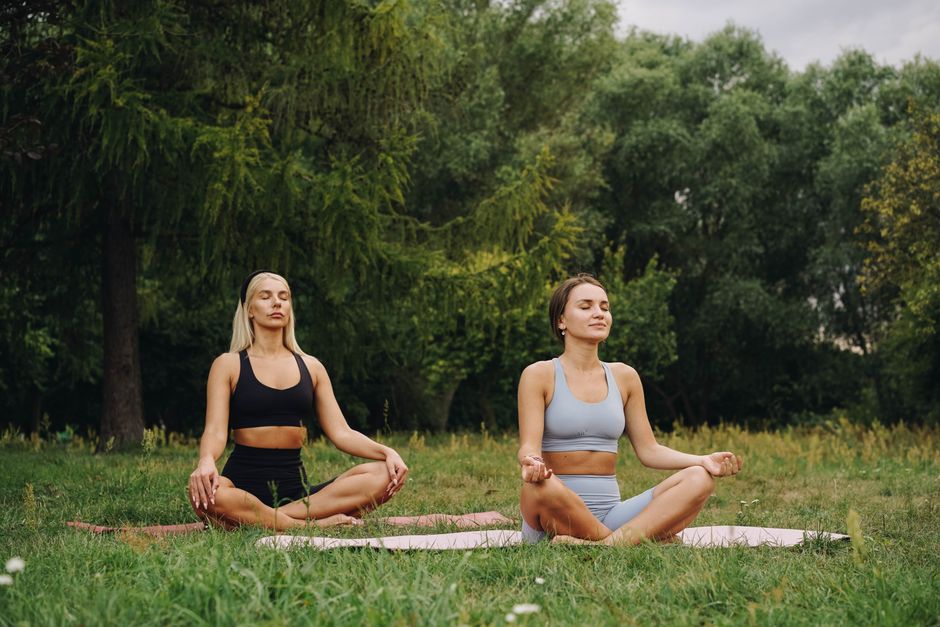
The Tuileries Garden has also become an informal meditation corridor on weekday mornings. Several independent teachers now lead seated sessions near the Bassin Octogonal between 07h30 and 08h30, blending with the yoga groups that have colonised the lawn areas since the Mairie de Paris began its Paris en Forme free outdoor wellness programme in 2024. No booking required. Bring a mat and expect company.
Digital options have matured considerably. Petit Bambou, the French-language meditation app founded in Paris in 2014, remains the dominant local choice with more than four million registered users across France. A premium subscription costs €59.99 per year — cheaper than two drop-in studio sessions — and the content library has expanded to include specific programmes for workplace burnout and sleep disruption, both areas where demand has spiked this year. The app's sleep meditations, guided by calm narrators in unaccented metropolitan French, are particularly well-reviewed.
For those who prefer English-language guidance, Waking Up, the app built around philosopher Sam Harris's approach to secular meditation, now has a dedicated French-speaking community channel and has partnered with several Paris-based therapists who assign it as homework between sessions. A one-year subscription runs €99.99, though a no-questions-asked free access programme is available via the app's website for anyone who cannot afford the fee.
The practical advice is straightforward: start with one drop-in session before committing to an eight-week programme. The Paris en Forme outdoor sessions in the Tuileries cost nothing and require nothing except the willingness to sit still for an hour on a July morning. If the format resonates, the Institut Français de Pleine Conscience's next beginner cohort opens for registration on 1 September. Anyone dealing with specific anxiety or sleep disorders should speak to their médecin traitant first — a referral through the French healthcare system can, in some cases, offset a portion of programme costs through complementary insurance. The quiet is available. Finding it is mostly a matter of showing up.
How does this story make you feel?
Spread the word
About this article
Published by The Daily Paris
Daily brief
Free, in your inbox before 7am. Weekdays.
More in Wellness