Yoga styles explained: which one suits your lifestyle
From the banks of the Seine to the studios of the Marais, Parisians are rolling out mats in record numbers — but choosing the right practice makes all the difference.
From the banks of the Seine to the studios of the Marais, Parisians are rolling out mats in record numbers — but choosing the right practice makes all the difference.
More Parisians are practising yoga than at any point in the past decade. A 2025 survey by the Fédération Française de Yoga counted roughly 3.2 million regular practitioners nationwide, up from 2.1 million in 2018, with the Île-de-France region accounting for nearly a third of that total. The question is no longer whether to try yoga — it's which version won't bore you into quitting by September.
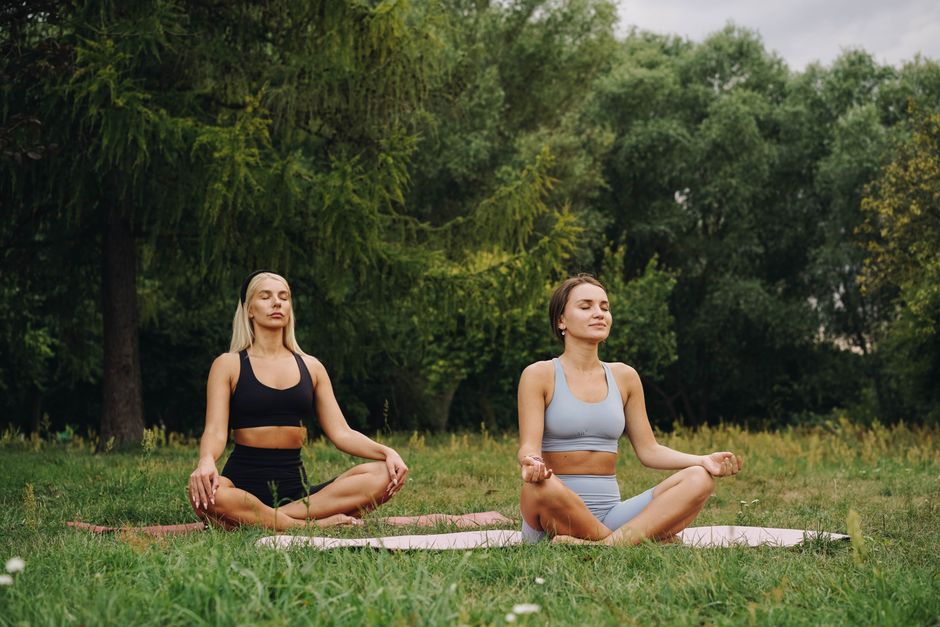
The surge matters now because the city's infrastructure has quietly made practice more accessible. Free outdoor sessions run every Tuesday and Thursday morning through July at the Tuileries Garden, organised under the Paris en Forme municipal programme. The Bois de Boulogne cycling crowds thin out by 7am, leaving the lawns near the Lac Inférieur calm enough for a mat. When the weather breaks, a dozen studios within walking distance of République offer drop-in classes from €12 to €22 a session. The choice of style, though, is where most beginners stall.
Hatha is the logical starting point for anyone new to the form. Sessions move slowly, holding each posture for several breaths, which gives the body time to adjust without the embarrassment of falling behind. Studio Yasna on Rue du Faubourg Saint-Antoine in the 11th arrondissement runs beginner Hatha on Monday evenings at €15 a class. It suits people who sit at desks most of the day and want to decompress rather than exhaust themselves.
Vinyasa is the style that fills the larger rooms. Postures flow continuously, linked by breath, and a 60-minute class can feel closer to a cardio workout than a meditation session. The pace suits commuters who cycle the Vélib' network and already carry baseline fitness. Paris Yoga Studio near the Canal Saint-Martin offers a lunchtime Vinyasa that draws a mixed crowd of office workers from the nearby tech corridor on Rue de la Roquette. Expect to sweat. Expect to sleep better.
Yin yoga sits at the opposite extreme. Poses are held for three to five minutes, targeting deep connective tissue rather than muscle. Practitioners describe it as closer to a moving meditation than exercise. Several wellness centres in the 6th arrondissement, including Yog'zen on Boulevard Raspail, market Yin specifically to people in high-stress professional environments, pairing it with guided breathwork. A monthly unlimited pass there runs €95, roughly in line with the Paris studio average.
Kundalini divides opinion sharply. It combines breath sequences, repetitive movement, chanting and, occasionally, cold-water techniques borrowed from Nordic traditions. Devotees practise at the Centre Sivananda on Rue Raynouard in the 16th, one of the oldest established yoga spaces in the city, open since 1983. Critics find the spiritual elements alienating. Advocates say nothing else compares for managing anxiety over a sustained period. Medical research is cautious: a 2024 meta-analysis published in the journal Frontiers in Psychology found Kundalini showed meaningful reductions in self-reported anxiety scores across 11 controlled trials, but called for larger sample sizes before drawing firm conclusions.
Budget matters. A 10-class carnet at most mid-range Paris studios costs between €130 and €160, which works out to €13–16 per session — comparable to a cinema ticket. Many studios under the city's Je Bouge à Paris health initiative offer sliding-scale pricing for those with a carte Vitale and documented low income. The programme launched in January 2025 and now covers 40 affiliated wellness providers across 14 arrondissements.
Physical health conditions change the equation considerably. Hot yoga — Bikram-style sessions conducted at 40°C — is genuinely contraindicated for people with certain cardiovascular conditions. Anyone managing a chronic health issue should check with their médecin traitant before signing up, particularly for more physically demanding styles. France's universal healthcare model means that conversation costs nothing at the point of care.
Start with a single drop-in class rather than committing to a term. The Tuileries free sessions this month are an obvious low-stakes entry point. If the style clicks, most studios hold September registration open from mid-August. The autumn cohort historically fills within two weeks.
How does this story make you feel?
Spread the word
About this article
Published by The Daily Paris
Daily brief
Free, in your inbox before 7am. Weekdays.
More in Wellness