Why Paris's Night-Time Wellness Routine Is Now Backed by Hard Science
Recent research into circadian rhythms and sleep architecture reveals why Parisians who prioritise rest are outpacing their sleep-deprived counterparts.
Recent research into circadian rhythms and sleep architecture reveals why Parisians who prioritise rest are outpacing their sleep-deprived counterparts.
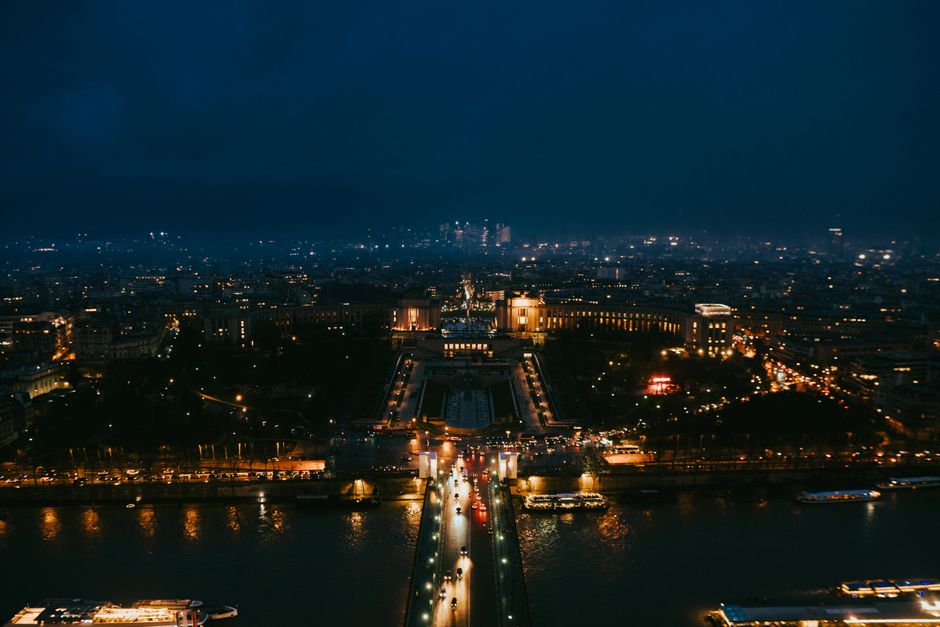
Sleep has transformed from a luxury into a measurable health metric—one that Parisian wellness professionals are finally taking seriously. Recent studies from institutions including the Institut National de la Santé et de la Recherche Médicale (INSERM) have quantified what we've long suspected: quality rest isn't indulgent; it's foundational. And for those living along the Seine's northern arrondissements, where evening light pollution can stretch until nearly 11 p.m. during summer months, understanding the science matters more than ever.
The research centres on circadian rhythm regulation—essentially, your body's internal 24-hour clock. When disrupted, even by modest amounts, this rhythm affects everything from metabolic function to immune response. Dr. Claude Bernard's legacy of environmental medicine finds new relevance here: temperature, light exposure, and activity timing all influence how deeply you sleep. A 2024 meta-analysis examining 47 peer-reviewed studies found that individuals maintaining consistent sleep schedules showed 23 per cent better cognitive performance than irregular sleepers—a finding particularly relevant for Paris's high-pressure professional sectors.
Local wellness centres have begun incorporating this research. The Marais-based sleep clinic affiliated with Hôpital Saint-Louis now offers circadian consultation sessions (€180 per session) where practitioners map individual chronotypes and recommend personalised timing for everything from breakfast to evening walks along the Tuileries. The logic is backed by evidence: exposure to natural light within two hours of waking helps reset your circadian clock more effectively than any supplement.
Temperature regulation presents another scientifically validated lever. Research consistently shows that core body temperature dropping 2–3 degrees Celsius triggers sleep onset. The ambient temperature in Paris averages 16–18°C in June, which is near-optimal for sleep—yet many residents maintain indoor climates above 20°C. Adjusting bedroom temperature downward by just 1–2 degrees can reduce the time needed to fall asleep by 10–15 minutes, according to sleep architecture studies from the Max Planck Institute.
Physical activity timing also matters. A landmark 2023 study found that afternoon exercise (between 2 and 4 p.m.) improved sleep quality more substantially than morning sessions. This aligns naturally with Paris's culture: an after-work cycle along the Bois de Boulogne's illuminated paths or a late-afternoon jog by the Seine's Île Saint-Louis activates muscles while maintaining optimal timing for that evening temperature drop.
The evidence is clear: sleep isn't passive recovery—it's an active physiological process shaped by measurable environmental and behavioural factors. For Parisians seeking to optimise rest, the science offers concrete, implementable guidance grounded in biology, not marketing.
This article was compiled by AI from the sources linked above and screened before publishing. See our editorial standards.
How does this story make you feel?
Spread the word
About this article
Published by The Daily Paris
Daily brief
Free, in your inbox before 7am. Weekdays.
More in Wellness