The Daily Habits Keeping Parisians Ahead of Health Problems
From morning riverside runs to annual screenings at neighbourhood clinics, locals share the unglamorous routines that actually prevent disease.
From morning riverside runs to annual screenings at neighbourhood clinics, locals share the unglamorous routines that actually prevent disease.
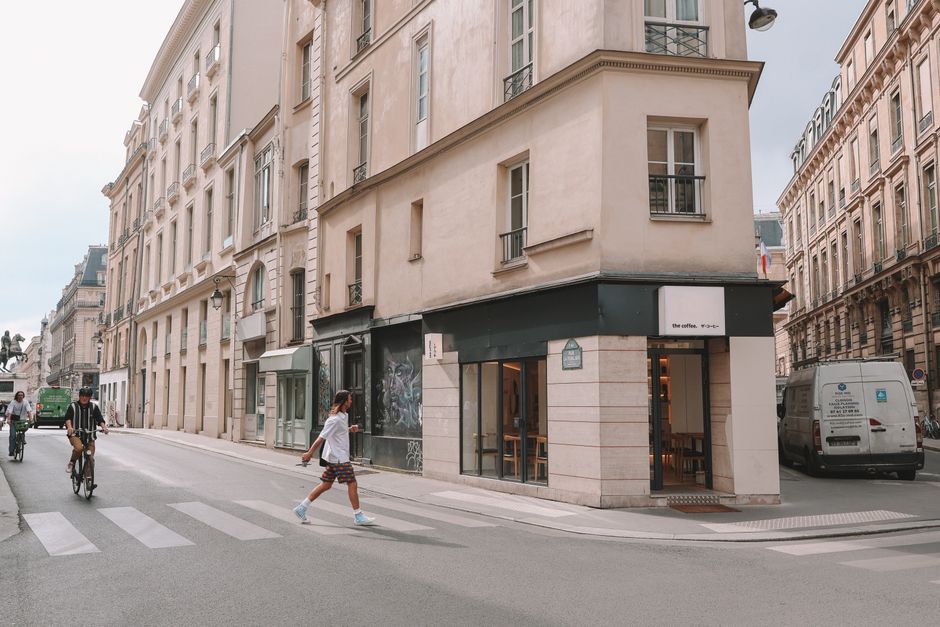
Dr. François Dubois, who runs a consultation clinic on Rue de Turenne in the Marais, notices a pattern among his long-term patients: the healthiest ones rarely arrive with emergencies. They arrive for preventive checks. "They've built habits," he observes, "not resolutions."
France's universal healthcare system covers annual preventive screenings for residents—a benefit many Parisians leverage strategically. Women over 50 receive subsidised mammography referrals; men over 45 can access blood work and cardiovascular assessments without cost barriers. Yet uptake depends less on access than on rhythm. Regular users tend to schedule appointments during predictable windows: early January, after summer holidays, before winter.
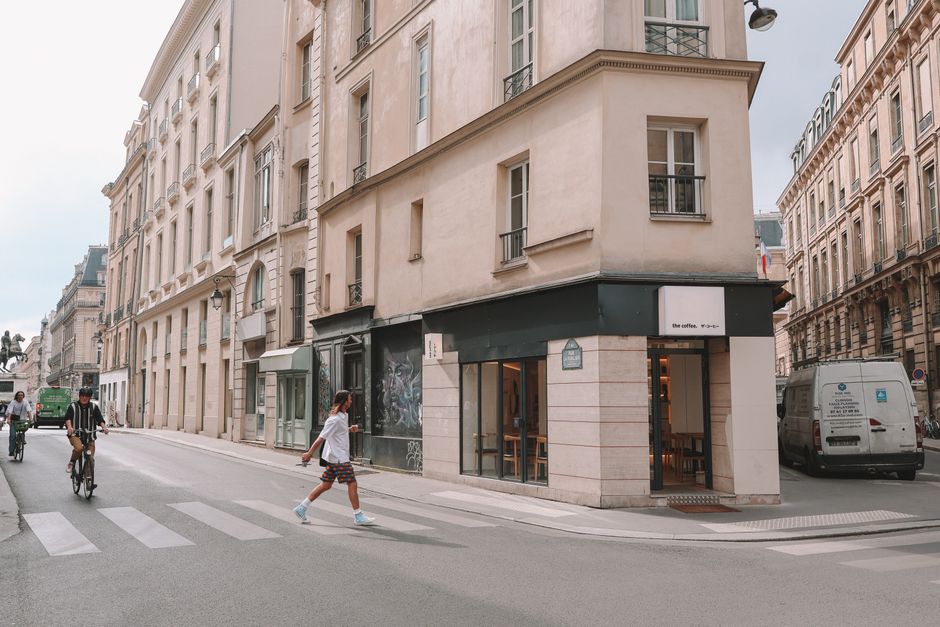
The most consistent habit among active locals is movement integrated into commute patterns. Cycling to work remains practical in neighbourhoods like the 11th arrondissement, where dedicated lanes now cover 85 kilometres across the city. Morning runners along the Seine between Pont des Invalides and Pont de l'Alma report using the same 6am slot weekly—consistency that correlates with follow-through on health appointments. The Bois de Boulogne cycling community, loose-knit but regular, often exchanges notes about local health practitioners and screening timelines while pedalling.
Nutritional habits also shape preventive outcomes. Parisians shopping at neighbourhood markets—Marché Bastille on Thursday and Sunday mornings, or the year-round covered market at Rue Mouffetard—tend to maintain detailed awareness of their eating patterns. This awareness naturally feeds into conversations with healthcare providers about dietary risk factors.
Sleep regularity appears underestimated in local wellness culture but correlates strongly with screening adherence. Those who maintain consistent bedtimes—easier in Paris where evening activities rarely extend past 10pm outside specific quartiers—report better energy for scheduling and attending appointments.
The practical barrier most Parisians successfully overcome is admin friction. Keeping a simple calendar notation of when screenings are due, rather than relying on clinic reminders, proved effective in informal feedback from patients at the Institut Pasteur's public health initiatives. Setting the next appointment before leaving the clinic, rather than by phone later, eliminates follow-up delays.
Preventive medicine lacks the drama of acute care. But locals who've adopted these habits—weekly movement anchors, annual screening windows, consistent sleep, market-based food awareness—report fewer urgent interventions over decades. They're not exceptional people. They've simply made prevention rhythmic rather than aspirational.
This article was compiled by AI from the sources linked above and screened before publishing. See our editorial standards.
How does this story make you feel?
Spread the word
About this article
Published by The Daily Paris
Daily brief
Free, in your inbox before 7am. Weekdays.
More in Wellness