The Daily Rituals: How Parisians Built Sustainable Eating Habits Without Overthinking It
From market-day routines to portion intuition, locals share the unglamorous habits that actually stick.
From market-day routines to portion intuition, locals share the unglamorous habits that actually stick.
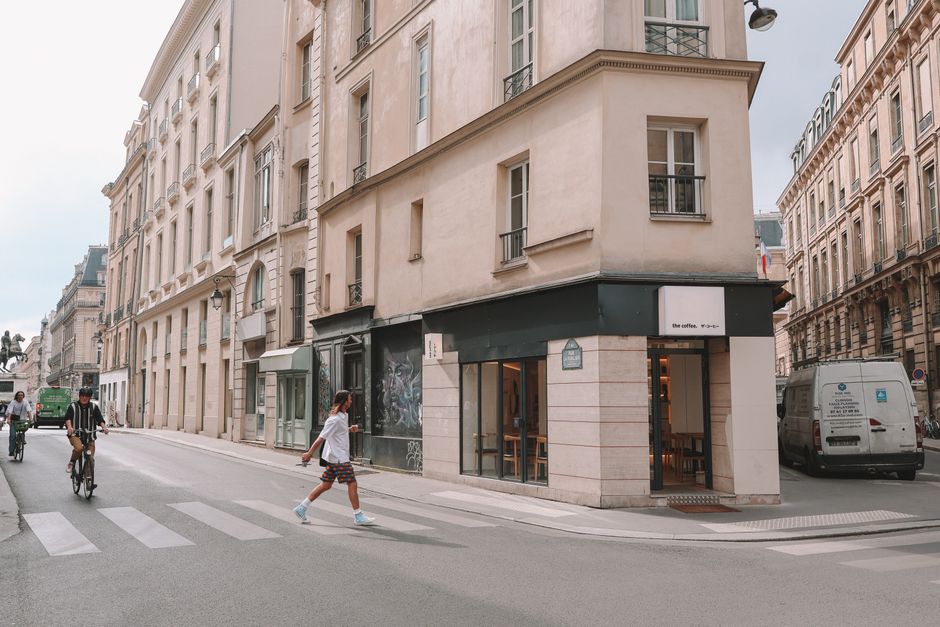
Walk through Marché Bastille on a Thursday morning and you'll notice a pattern: the same faces, the same vendors, the same canvas bags. This isn't romance—it's routine. And according to nutritionists working within France's public health framework, routine is precisely what separates aspirational eating from actual behaviour change.
Dr. Sophie Laurent, who works with Paris's municipal health initiative, observes that successful Parisians don't rely on willpower. "They've engineered their environment," she explains. The most common habit? Shopping twice weekly rather than once. This means fresher produce, fewer processed backups in the cupboard, and natural portion control—you buy what you'll actually use before it spoils.
The economics help. At Marché d'Aligre in the 12th arrondissement, seasonal vegetables cost 30-40% less than supermarkets, creating genuine incentive. A kilogram of locally-grown courgettes runs €1.50-2.00, making vegetable-forward meals the cheaper option, not the premium one.
Another surprisingly effective habit: the "apéritif plate" approach. Rather than snacking mindlessly, locals prepare a small board—cheese, charcuterie, cornichons, bread—and eat it deliberately. It feels intentional without feeling restrictive. The Parisian Association for Nutritional Health (APNF) tracked this among their participants and found it reduced afternoon snacking by 23% over three months.
Lunch timing matters more than most realise. Working professionals who eat lunch between 12 and 1 p.m.—taking actual time, not eating at desks—report better satiety through the afternoon. The French statutory meal break, even in its modern compressed form, remains structurally advantageous.
Perhaps most importantly: locals don't categorise foods as "allowed" or "forbidden." A croissant at Maison Stohrer isn't guilt, it's breakfast. This psychological ease, reinforced by portion norms (French pastries are genuinely smaller than many European equivalents), reduces the binge-restrict cycle that derails people elsewhere.
The unsexy truth emerging from these habits is that consistency beats optimisation. Someone shopping at the same market weekly, eating lunch slowly, and maintaining modest portions will achieve more sustainable results than someone attempting complex meal-prep protocols or eliminating entire food groups.
For those wanting to start: pick one habit—market shopping, meal timing, or the apéritif plate—and commit for four weeks. The infrastructure in Paris (markets on every major street, cultural expectations around eating pace) supports this naturally. That's not willpower. That's just working with your city.
This article was compiled by AI from the sources linked above and screened before publishing. See our editorial standards.
How does this story make you feel?
Spread the word
About this article
Published by The Daily Paris
Daily brief
Free, in your inbox before 7am. Weekdays.
More in Wellness


