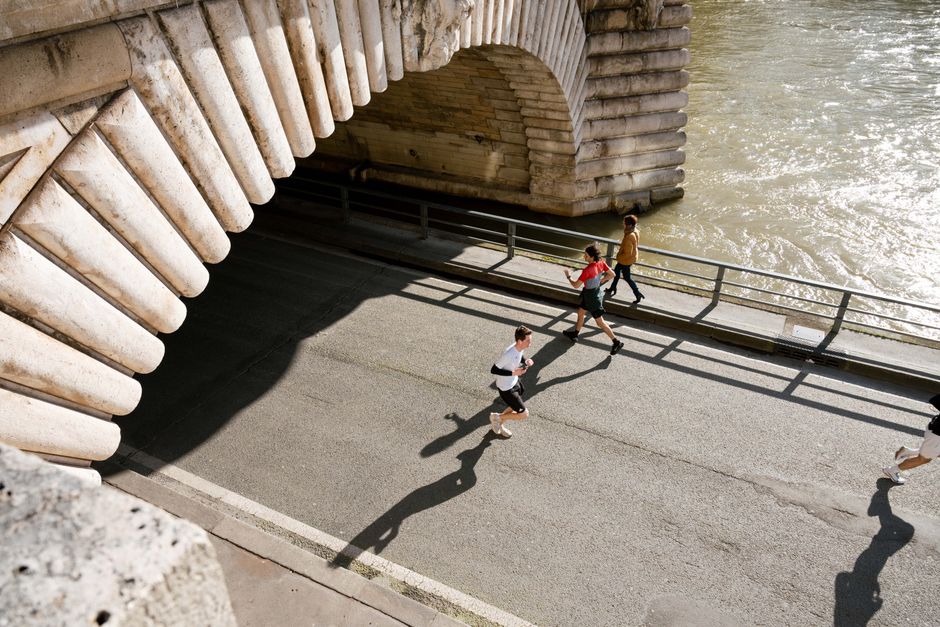
Along the Left Bank's tree-lined pathways, something quietly powerful is happening. Every morning, groups of Parisians in their sixties, seventies and beyond gather to move together—not because they must, but because they've discovered that shared movement transforms more than just bodies. These aren't gym enthusiasts following prescriptive fitness regimes. They're neighbours, friends and former strangers building networks that restore both mobility and purpose.
The phenomenon reflects a broader shift in how Paris approaches active ageing. France's universal healthcare system has increasingly recognised that preventive wellness—particularly community-based movement—reduces hospital admissions and improves quality of life. Recent municipal data suggests participation in group fitness activities among over-60s in the 5th and 6th arrondissements has grown by approximately 35 per cent over three years, with programmes ranging from €3 to €8 per session through Paris's neighbourhood centres.
The Tuileries Garden has become an informal hub for this movement. Thursday morning outdoor yoga classes, which began as a pilot programme in 2023, now attract 40-50 participants weekly. Similarly, the extensive cycling infrastructure around the Bois de Boulogne has enabled a network of gentle-pace cycling groups—routes designed specifically for those rebuilding confidence after injury or illness. These aren't speed-focused communities; they're confidence-focused ones.
What makes these stories compelling isn't just the physical transformation. It's the social architecture. Participants report reduced isolation, strengthened friendships across age groups, and renewed sense of belonging within their quartiers. For many, the weekly commitment to a Seine-side running group or a Marais-based walking club becomes the anchor point of their week—a reason to maintain routines, show up for others, and experience the 11th arrondissement's backstreets or Île Saint-Louis's quieter edges differently.
Several Paris-based organisations facilitate this transition. Associations like Vivagym and Aînés en Mouvement offer structured but flexible programming specifically designed around realistic mobility timelines. The key distinction from typical fitness offerings: they centre on progression and adaptation rather than standardised outcomes.
The transformation isn't dramatic in the Instagram-friendly sense. It's measured in recovered balance, sustained energy levels, and the quiet confidence of knowing your neighbourhood intimately while moving through it safely. It's measured in friendships formed at 7am on a Tuesday along the Marais's historic streets, or the pride of completing a gentle 8-kilometre cycle through Boulogne for the first time in five years.
These stories suggest that active ageing in Paris isn't about fighting age—it's about moving through it together, grounded in real neighbourhoods and real community.
This article was compiled by AI from the sources linked above and screened before publishing. See our editorial standards.