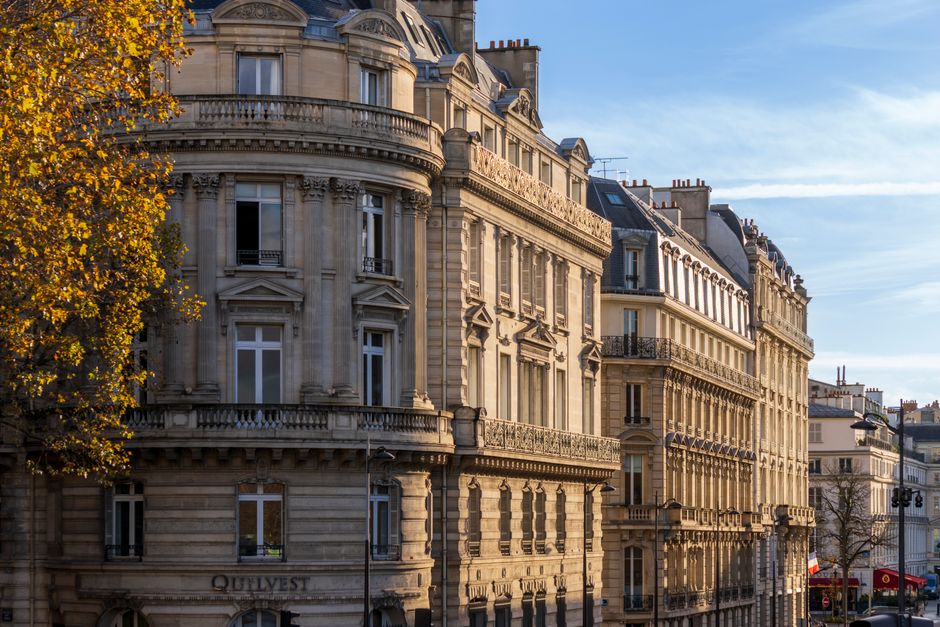
The numbers tell a stark story. While central Paris commands €10,000 per square metre, outer arrondissements and the surrounding communes face a different crisis: not rising prices, but rising homelessness and family displacement. Against this backdrop, four significant social housing projects now breaking ground across Seine-Saint-Denis and Hauts-de-Seine represent the most ambitious affordable housing push since the 2015 Loi Égalité et Citoyenneté.
In Montreuil, a 2.8-hectare brownfield site near the Établissements Taboo cultural centre is being redeveloped into 520 mixed-tenure units, with 60% designated as social housing (below €700/month for a two-bedroom). The project, expected to complete in 2029, includes a municipal childcare facility and 280 parking spaces—a particular concern for families relying on vehicles to reach employment across the fragmented Grand Paris labour market.
Similarly, Bondy's transformation of a former industrial zone on the rue Édmond Michelet now hosts construction cranes alongside existing shops. The scheme will deliver 340 units, maintaining the neighbourhood's working-class character while introducing modern energy standards. Local residents worry less about gentrification here than about whether promised school places will materialise alongside new families.
Villepinte's newest development, adjacent to the RER Line B station, combines 410 social units with 150 co-housing apartments designed for over-55s—a demographic often overlooked in suburban renewal schemes. The €180 million investment signals a recognition that affordable housing must serve diverse needs, not just young families.
Saint-Ouen's Confluence district represents the most ambitious: 680 units across five buildings, with ground-floor retail designed to activate streets that remain eerily quiet during evening hours. Here, the philosophy extends beyond housing. Planners have mandated 40% social housing, with explicit targets for households earning under €1,200 monthly—roughly the income threshold for Paris's most vulnerable populations.
What these projects share is a pragmatic shift in regional policy. Rather than hoping market forces would eventually deliver affordability, the Île-de-France Regional Council and municipal partners are bundling social housing mandates with financial incentives—tax breaks, accelerated permitting, and access to the Caisse des Dépôts' concessional lending. It's expensive (estimated €2.4 billion citywide by 2030) but cheaper, officials argue, than managing the social costs of homelessness and long commutes.
Critics note implementation risks. Will contractors meet construction timelines? Will maintenance budgets keep pace with demand? Most pointedly: will these units remain affordable once initial subsidy periods expire?
Yet for families currently spending 60% of income on rent across the 13th and 14th arrondissements, or commuting 90 minutes from Évry, these four projects represent something rare: genuine choice about where to build a home.
This article was compiled by AI from the sources linked above and screened before publishing. See our editorial standards.