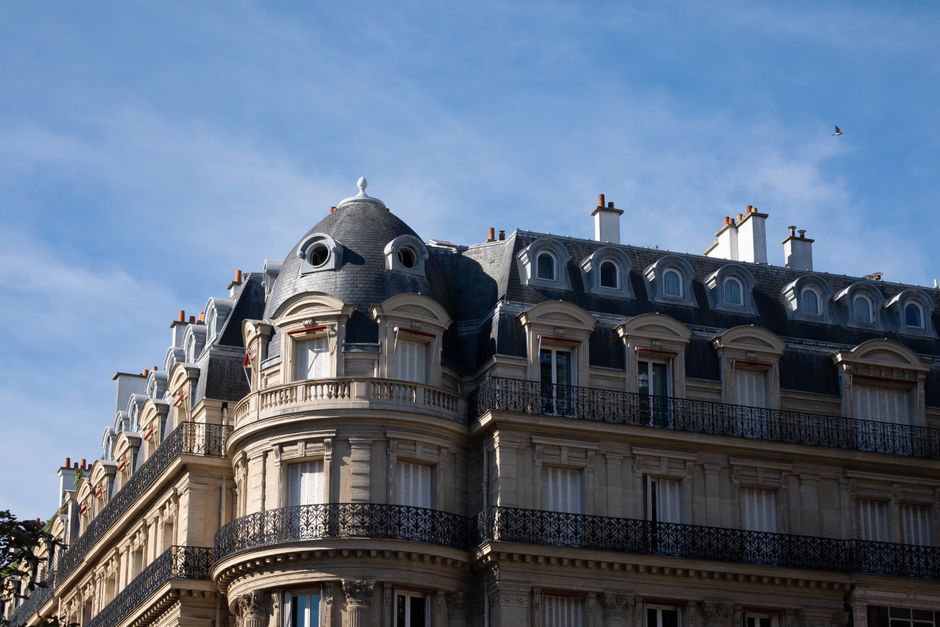
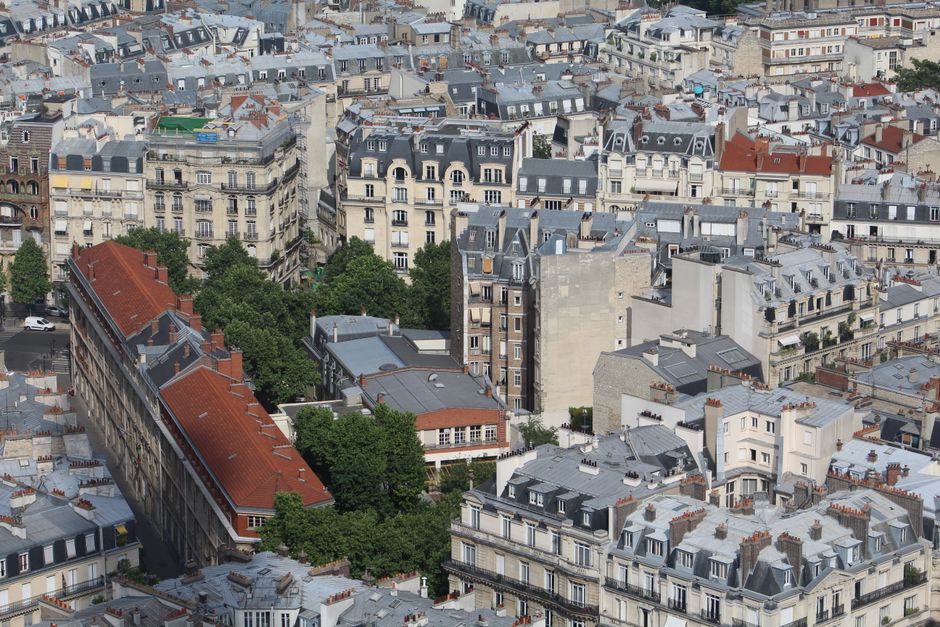
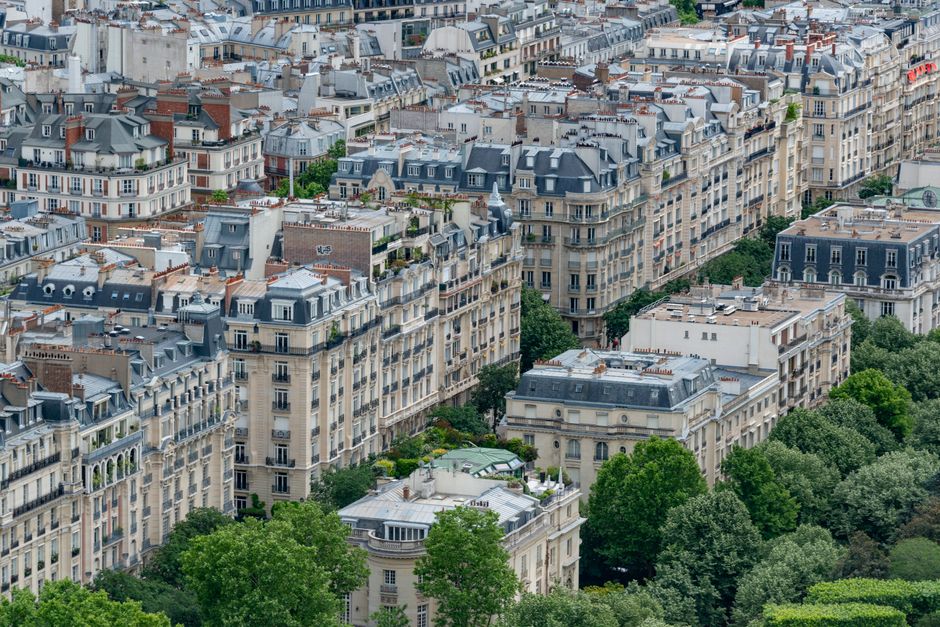
Paris's luxury real estate market is experiencing a decisive moment. While the traditional strongholds of the 1st through 8th arrondissements remain the gold standard—commanding an average of €12,000 to €15,000 per square metre—a constellation of high-end development projects is quietly reshaping perceptions of desirability across the capital.
The most significant shift is happening beyond the traditional prestige zones. In the 11th arrondissement, around Oberkampf and République, several boutique luxury schemes have emerged, targeting the affluent creative class seeking proximity to culture without the premium price tag of the 8th. Similarly, developments in the 9th around the Palais Garnier district are capitalising on heritage appeal and renewed investment in theatre district infrastructure.
But it's the outer neighbourhoods—particularly along the Grand Paris metro extension corridor—where transformative potential lies. Projects in Boulogne-Billancourt and Neuilly are now attracting capital previously reserved for central locations, with new residential towers offering modern amenities, green spaces, and lower per-square-metre costs than their 1st arrondissement equivalents, typically ranging from €8,500 to €10,500.
What distinguishes today's developments is architectural ambition paired with neighbourhood activation. Rather than isolated luxury complexes, developers are increasingly integrating ground-floor retail, Michelin-starred restaurant partnerships, and exclusive wellness facilities—turning projects into lifestyle ecosystems. The Avenue Montaigne model is no longer confined to the 8th.
Industry observers note that these projects are not cannibalising central demand so much as fragmenting it. Ultra-prime property in the Golden Triangle (8th arrondissement) remains inelastic: €20,000+ per square metre for trophy assets near the Élysée. However, affluent purchasers aged 35-50 increasingly recognise value in second-tier neighbourhoods offering superior space, natural light, and emerging cultural credentials.
The implications are profound. A new buyer demographic—tech entrepreneurs, international professionals, luxury brand executives—is willing to trade postcode prestige for lifestyle quality. This is expanding Paris's luxury footprint beyond the traditional map, revitalising neighbourhoods and generating significant tax revenue for municipal authorities.
Whether this represents sustainable market maturation or cyclical redistribution remains to be seen. What's certain: Paris's property elite are no longer monolithic in their preferences. The city's next chapter will be written not in isolated arrondissements, but across a more distributed, architecturally ambitious landscape.
This article was compiled by AI from the sources linked above and screened before publishing. See our editorial standards.