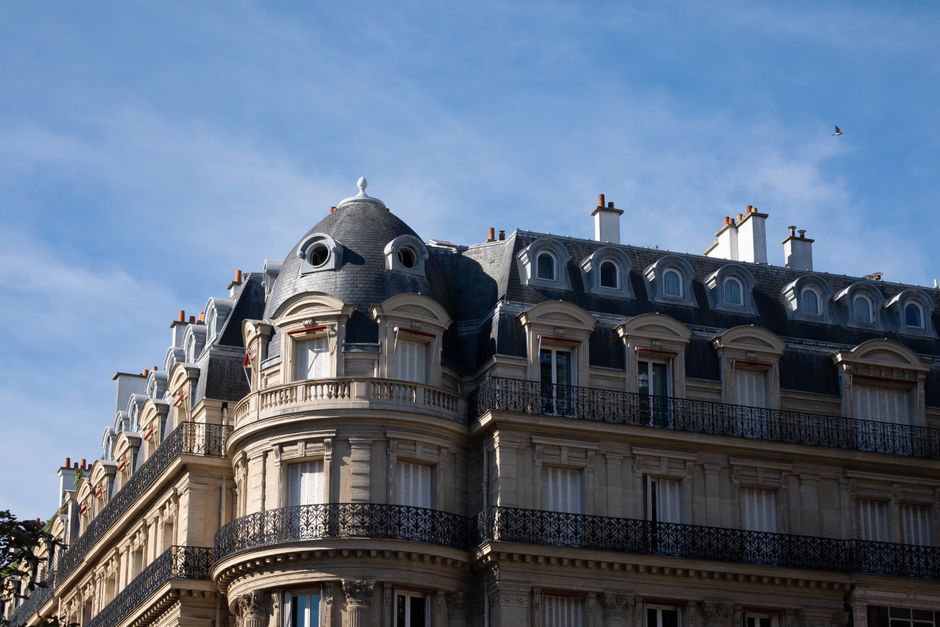
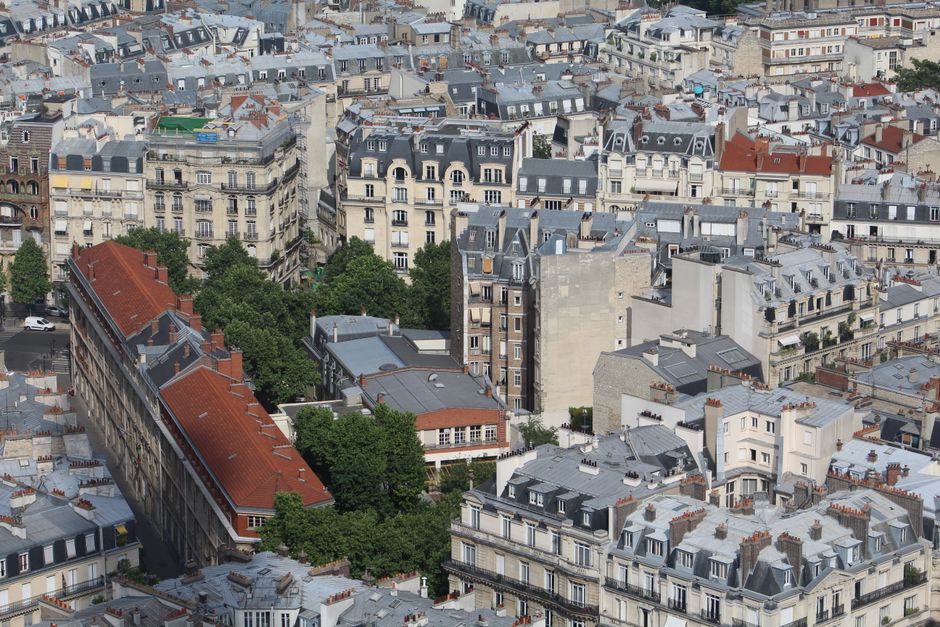
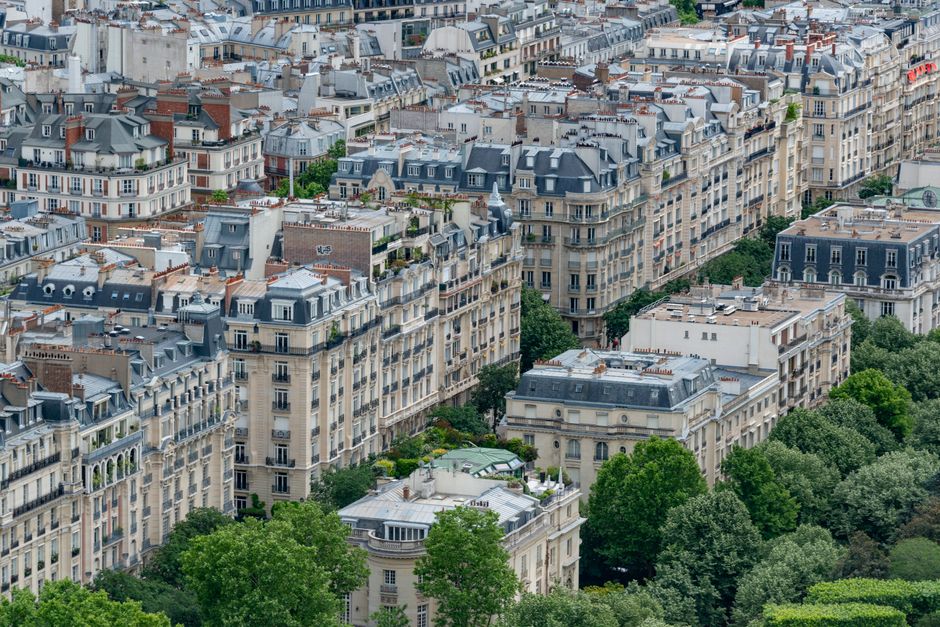
Paris's property market has long been defined by its architectural permanence—Haussmann facades, Belle Époque elegance, and the protective grip of heritage laws. Yet 2026 marks a inflection point. Across the city's outer arrondissements and suburbs, a significant wave of new construction projects is gaining momentum, fundamentally altering neighbourhood dynamics and investment patterns in ways not seen since the post-2000 urban renewal drives.
The most visible catalyst is the continued expansion of the Grand Paris Express metro network. Projects in the 11th and 12th arrondissements—long considered secondary to the prestige of the 1st through 8th—are experiencing accelerated development. The Bercy-Charenton corridor, once dominated by warehouses and light industry, now hosts mixed-use complexes combining residential units with retail and co-working spaces. These developments have pushed property prices from an average EUR 8,200 per square metre in 2023 to north of EUR 9,500 today, a 15 per cent uplift that mirrors broader demand for transit-adjacent housing.
Belleville, straddling the 10th and 11th arrondissements, presents a more complex picture. Three major projects—including a 280-unit residential tower near Rue de Marseille and a refurbished cultural hub at the former Belleviloise site—promise to formalise a neighbourhood caught between bohemian heritage and gentrification pressures. Local stakeholders remain divided. Residents cite concerns about density and rising rents, whilst developers argue these projects preserve affordable housing quotas (typically 25-30 per cent under Paris municipal requirements) and revitalise underutilised industrial spaces.
Beyond the périphérique, Grand Paris municipalities are capturing spillover demand. Boulogne-Billancourt's Port de Sèvres development—a 15-hectare waterfront renewal project—combines EUR 2.1 billion in investment across residential, office, and cultural facilities. Average prices in the area have climbed from EUR 8,900 to EUR 10,300 per square metre in three years, reflecting both the project's momentum and broader metropolitan growth.
The broader implications extend beyond price tags. These projects signal a structural shift in where Parisians and investors see opportunity. The city's densification strategy—driven partly by sustainability mandates and partly by market forces—concentrates new housing supply away from the saturated central core. For buyers and renters, this fragmentation offers optionality: premium central scarcity versus emerging neighbourhood vibrancy.
What remains uncertain is whether these developments will genuinely deliver affordability or merely accelerate neighbourhood transition. Historical precedent suggests both outcomes will occur simultaneously—a pattern shaping Paris property dynamics for the next decade.
This article was compiled by AI from the sources linked above and screened before publishing. See our editorial standards.