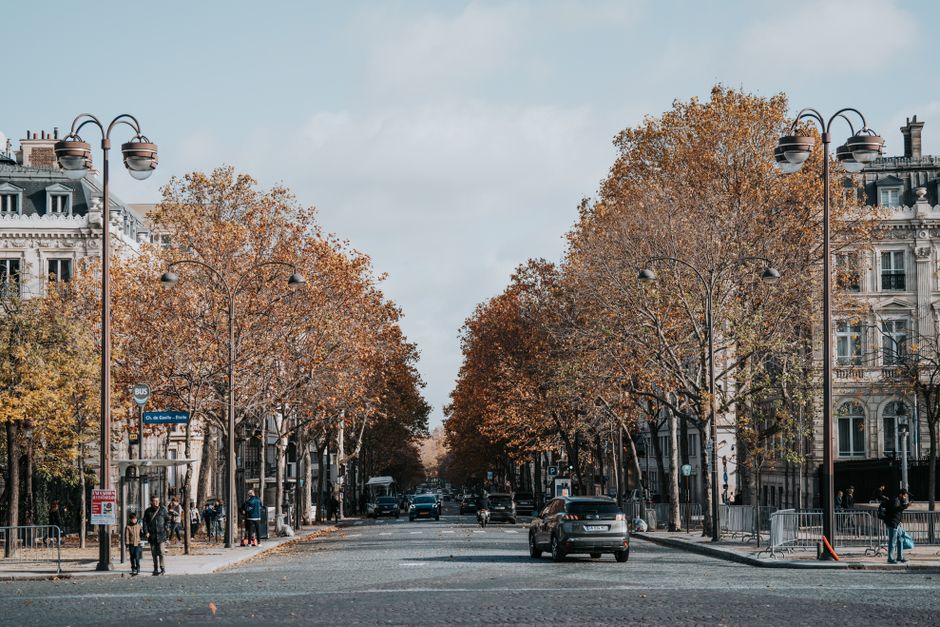
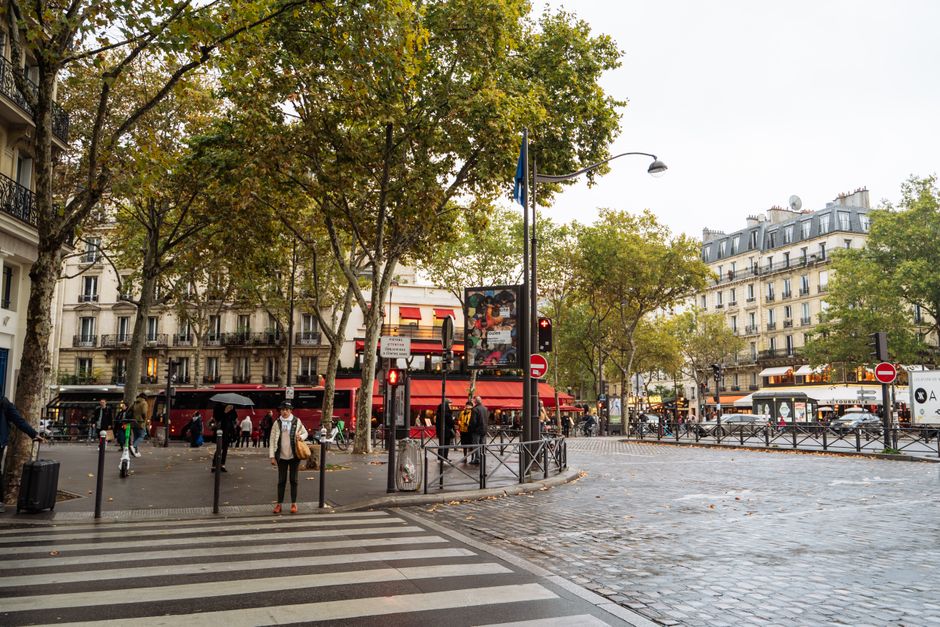
The corner of Rue de Belleville and Rue Piat has become a barometer for the neighbourhood's future. Where a traditional épicerie closed last month, developers are already sketching plans for a mixed-use space that locals fear will price out the very communities who made this area culturally vital. It's a decision point that reflects a broader question facing Belleville's residents and institutions: how to navigate transformation without surrendering identity.
Over the past three years, average rental prices in Belleville have climbed 18 per cent, according to data from local property associations. Meanwhile, the neighbourhood's population—long defined by its immigrant communities, artists, and working families—is shifting. The Maison des Jeunes et de la Culture on Rue de Menilmontant, which has served neighbourhood youth since 1972, is now grappling with how to maintain programming as operational costs rise.
"We're at an inflection point," says a spokesperson for Belleville Encore, a community advocacy group founded in 2019. The organisation is preparing for July discussions about zoning regulations that will shape development over the next decade. Key decisions include whether to impose affordable housing quotas on new builds—currently sitting at 25 per cent across much of the 11th—and how to protect ground-floor retail space for small businesses rather than chains.
The Parc des Buttes-aux-Cailles, renovated in 2023, offers a cautionary example. Its modernisation attracted new residents and visitors but also saw neighbouring cafés double their prices. Some long-term residents relocated to the 19th arrondissement, where rents remain approximately €700 monthly compared to Belleville's current average of €950 for a one-bedroom apartment.
Meanwhile, cultural institutions face their own reckoning. The Espace des Halles, a performance venue on Rue Ramponeau, must decide whether to expand its capacity—requiring capital investment it cannot currently afford—or risk losing relevance as larger cultural venues draw audiences away. Local schools, including École Maternelle Belleville, anticipate enrolment changes as family demographics shift.
Over the next six months, neighbourhood associations will present proposals to the 11th arrondissement's town hall, the Mairie. Whether decision-makers prioritise community continuity through stronger rent controls and business support, or embrace market-driven development, will determine whether Belleville remains a neighbourhood defined by its residents or becomes another gentrified enclave. The answer, residents recognise, depends on choices being made now.
This article was compiled by AI from the sources linked above and screened before publishing. See our editorial standards.