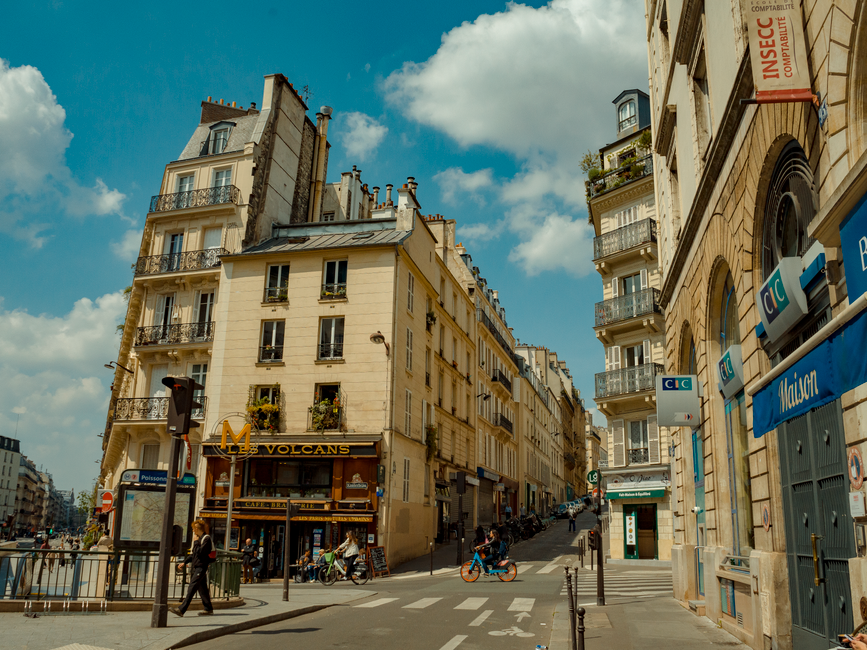
How Paris is Building Neighbourhood Resilience—And Outpacing Global Peers
While cities worldwide struggle with fragmented community structures, Paris's hyperlocal approach to civic engagement offers a model that's catching international attention.
While cities worldwide struggle with fragmented community structures, Paris's hyperlocal approach to civic engagement offers a model that's catching international attention.
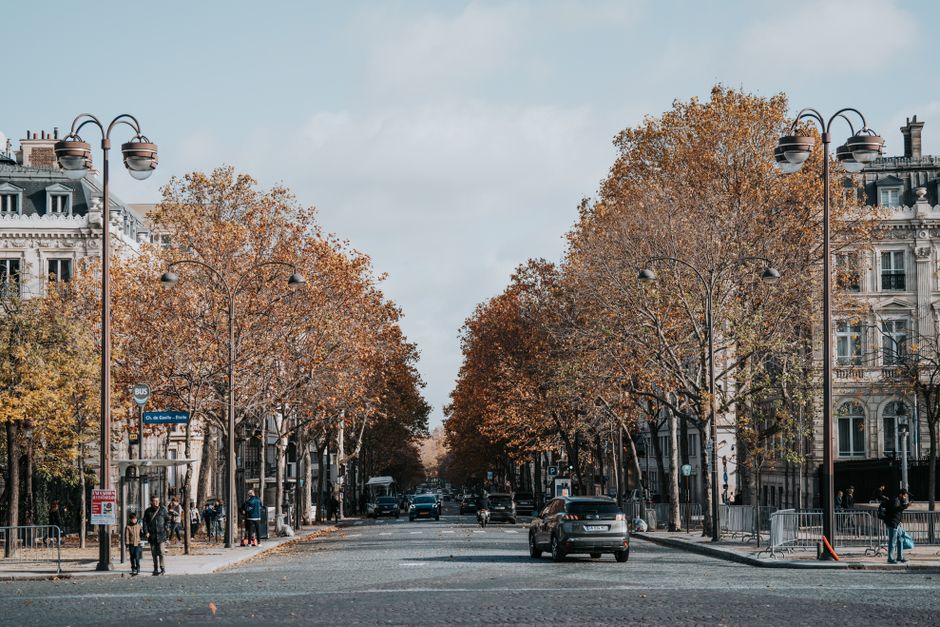
Walk through the 11th arrondissement on any Tuesday evening, and you'll find residents gathered at community centres like La Maison Verte in Rue de la Roquette, debating neighbourhood issues from street safety to affordable housing. This isn't unique to Paris, but how the city has institutionalised these conversations sets it apart from comparable global cities facing similar urban pressures.
Paris's neighbourhood council system—the "conseils de quartier"—has been strengthened significantly since 2020, with participation rising to an estimated 15,000 residents monthly across the city's 210 registered groups. Compare this to London's neighbourhood planning forums, which engage roughly 8,000 active participants citywide, or Berlin's district assemblies, which average 5,000 attendees monthly. The difference lies not in size but in accessibility and municipal integration.
"We've made participation genuinely local," explains the 19th arrondissement's community liaison model, where monthly meetings rotate between different public venues—schools, libraries, metro stations—rather than centralised town halls. The 12th arrondissement's Bercy district has reported a 34 per cent increase in resident participation since adopting this rotating system in 2024.
The challenges facing Paris mirror those in New York, Barcelona, and Amsterdam: gentrification pressuring long-term residents, social isolation despite urban density, and infrastructure strain. Yet Paris's approach differs in its emphasis on hyperlocal economics. The "Commerce de Proximité" initiative, supporting small businesses on streets like Rue Mouffetard and Rue des Martyrs, has helped preserve neighbourhood character—something New York's declining independent shopfront networks struggle with.
Financial commitment also distinguishes Paris's strategy. The city allocates €2.8 million annually to neighbourhood-level projects voted on directly by residents, through the "Budget Participatif" system. Berlin's equivalent (Bürgerhaushalt) operates on €3 million across all districts, while Toronto's participatory budgeting reaches only €1.2 million citywide.
Yet challenges persist. Inequality between wealthy arrondissements—where participation reaches 20 per cent—and poorer zones like Belleville remains significant. Integration of migrant communities, particularly in the 10th and 20th arrondissements, lags behind Barcelona's neighbourhood integration schemes.
As global cities grapple with fragmentation and declining civic engagement, Paris's model demonstrates that granular, well-funded community structures can work—if sustained. International delegations from Toronto, Stockholm, and Madrid have visited Paris this year to study the system. Whether this becomes a blueprint or a Paris-specific anomaly depends on whether other cities can match the investment and political will required to keep neighbourhoods genuinely alive.
This article was compiled by AI from the sources linked above and screened before publishing. See our editorial standards.
How does this story make you feel?
Spread the word
About this article
Published by The Daily Paris
Daily brief
Free, in your inbox before 7am. Weekdays.
More in News