Paris Housing Crisis Reaches New Flashpoint as City Approves Major Marais Rezoning
This week's contentious planning vote signals a dramatic shift in how the capital will tackle its chronic shortage of affordable accommodation.
This week's contentious planning vote signals a dramatic shift in how the capital will tackle its chronic shortage of affordable accommodation.
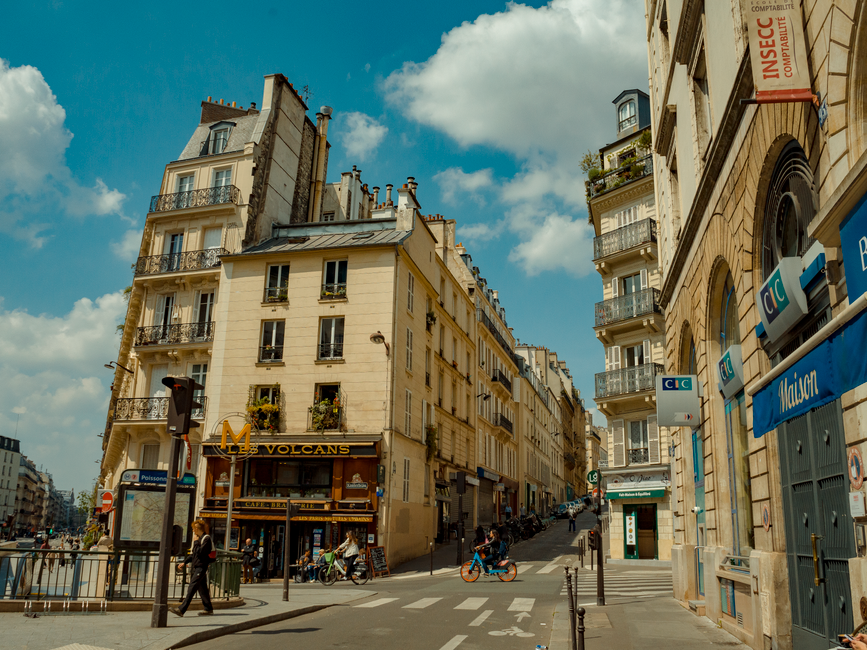
Paris's municipal council voted 47-38 on Tuesday to fast-track residential development across three blocks in the Marais, a decision that has reignited tensions between preservation advocates and housing activists struggling against a rental market where average prices now exceed €32 per square metre annually.
The rezoning—affecting properties along Rue des Francs-Bourgeois and adjacent lanes—permits conversion of 280 square metres of commercial and underutilised office space into approximately 12 residential units. While modest by metropolitan standards, the vote represents the city's most aggressive recent move to unlock housing supply in central arrondissements where vacancy rates remain stubbornly below 2 per cent.
"We're caught between two absolutes," said a spokesperson for Paris's housing directorate, explaining the council's internal debate. The city faces competing crises: young professionals and families fleeing to Île-de-France suburbs due to unaffordable rents, while heritage groups argue that historic neighbourhoods risk losing character and authentic commercial life.
The Marais decision follows months of escalating pressure. Last month, a report by Institut Île-de-France revealed that 47 per cent of Parisians spend more than 30 per cent of income on housing—exceeding recommended thresholds and forcing trade-offs with healthcare and food security. The 9th arrondissement, where rents average €1,850 for a 45-square-metre apartment, has seen particular exodus among under-35s.
The rezoning emerges amid broader municipal strategy shift. City planners announced simultaneous measures: temporary tax incentives for developers converting office buildings into residential use—a category that swelled post-pandemic as remote work reduced corporate real estate demand. The Défense district alone has 850,000 square metres of vacant office space.
Implementation faces hurdles. Heritage commissions must still approve individual projects, and construction timelines in central Paris typically stretch 18-24 months due to ground archaeology requirements and listed-building constraints. Neighbourhood residents' associations have signalled legal challenges.
Meanwhile, social housing pressure intensifies. The city's HLM waiting list has grown to 187,000 applications, with average wait times reaching 4.2 years. This week's vote allocates no new social housing mandates, focusing instead on market-rate supply—a choice critics argue privileges investor interests over vulnerable populations.
Urban planners acknowledge Paris faces a structural problem: density limits protective since the 1970s, combined with European heritage regulations, constrain supply when demand continues rising. The Marais rezoning, therefore, signals an experiment: whether modest, incremental unlocking of central space can meaningfully ease pressure, or whether Paris requires far more aggressive policy recalibration to confront its housing reality.
This article was compiled by AI from the sources linked above and screened before publishing. See our editorial standards.
How does this story make you feel?
Spread the word
About this article
Published by The Daily Paris
Daily brief
Free, in your inbox before 7am. Weekdays.
More in News