Paris's transport revolution: Why getting around the city has never felt this seamless
From expanded Metro lines to AI-powered bike networks, locals are rediscovering their commute as a genuine pleasure rather than a daily ordeal.
From expanded Metro lines to AI-powered bike networks, locals are rediscovering their commute as a genuine pleasure rather than a daily ordeal.
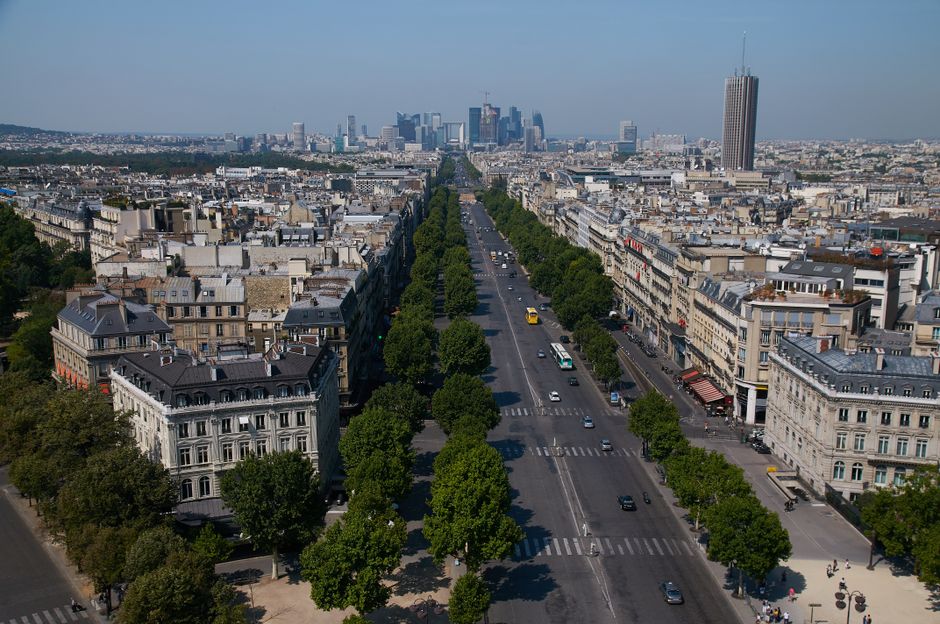
Ask any Parisian about their daily journey to work six months ago, and you'd likely hear sighs about overcrowded RER trains and gridlocked traffic on the Périphérique. Today, the conversation has shifted entirely. The city's transport infrastructure, long a source of frustration, has undergone a transformation that's quietly reshaping how millions move through the capital.
The most visible change came with the completion of the Metro Line 14 extension to Orly Airport in early 2026. What seemed like an impossible dream for decades is now reality: direct train access from the Latin Quarter to the airport in under 40 minutes, at €12.90 per journey. Commuters from the 5th and 13th arrondissements report reclaiming hours monthly—time previously lost to airport shuttle traffic or convoluted connections. "It's become almost pleasant," says the prevailing sentiment in cafés from Rue Mouffetard to Place de l'Estrapade.
But the transformation extends far beyond flagship projects. The rollout of the city's AI-optimised bike network has caught even sceptics off guard. Real-time data now directs cyclists through the safest, flattest routes—a godsend in a city infamous for its châtaigne-coloured cobblestones and unpredictable potholes. The Vélib' fleet, refreshed with lighter electric models, has seen ridership climb 23 percent since March, with particular uptake among professionals commuting from Marais to La Défense.
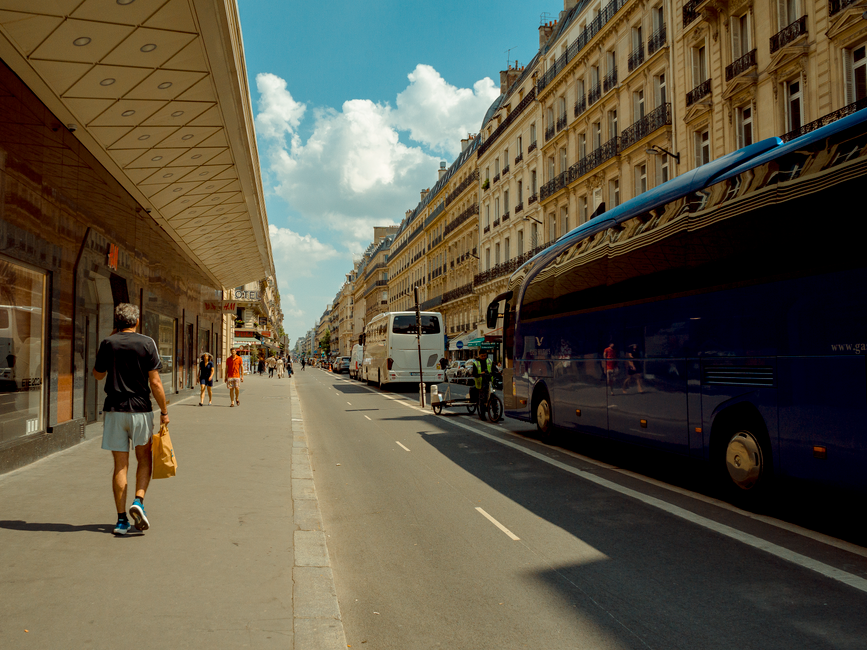
Perhaps most significantly, the newly pedestrianised stretches of Boulevard de Rivoli and the expanded tramway network along the Left Bank have fundamentally altered how locals perceive their surroundings. The 30-minute walk from Châtelet to the Musée du Quai Branly is no longer a necessity born of transport delays—it's become a legitimate lifestyle choice, with new benches, kiosks, and genuinely maintained green spaces making the journey meditative rather than exhausting.
RATP's integration of all transport modes into a single app has eliminated the old friction points. A single booking now seamlessly combines Metro, bus, and bike, with pricing that adjusts dynamically. Monthly passes, hovering around €84 for unlimited access, represent genuine value for the first time in a decade.
The improvements haven't been cheap—municipal transport investment topped €2.8 billion this fiscal year—but locals feel the money visibly at work. Rush-hour crowding on the 4 and 9 lines has eased noticeably. Weekend trips to Versailles or Fontainebleau via the SNCF regional network are faster and cheaper than driving. Even visitors remark that Paris, finally, rewards those who leave their cars at home.
For a city perpetually associated with timeless charm, there's something quietly revolutionary about infrastructure that actually functions.
This article was compiled by AI from the sources linked above and screened before publishing. See our editorial standards.
How does this story make you feel?
Spread the word
About this article
Published by The Daily Paris
Daily brief
Free, in your inbox before 7am. Weekdays.
More in lifestyle