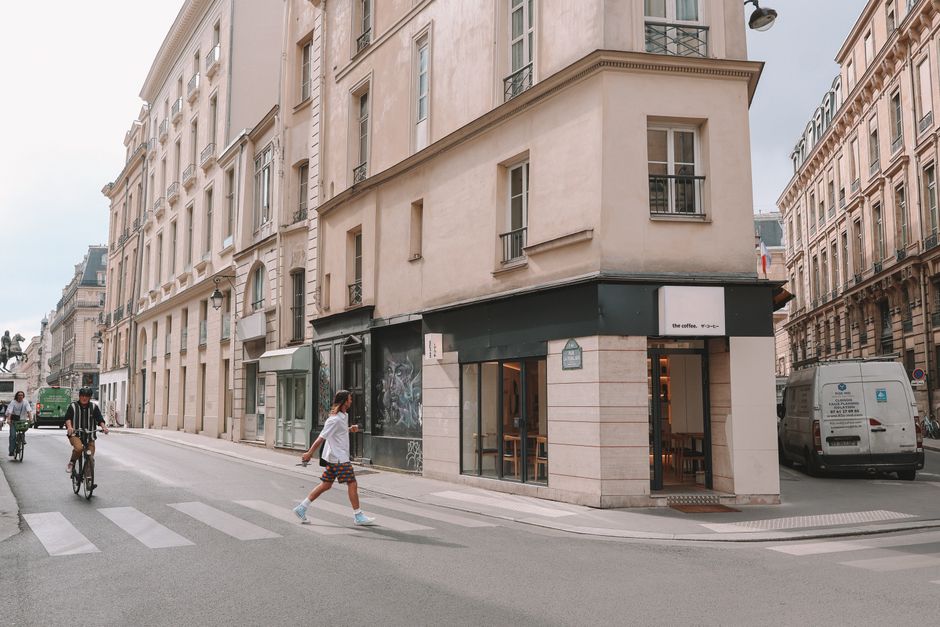
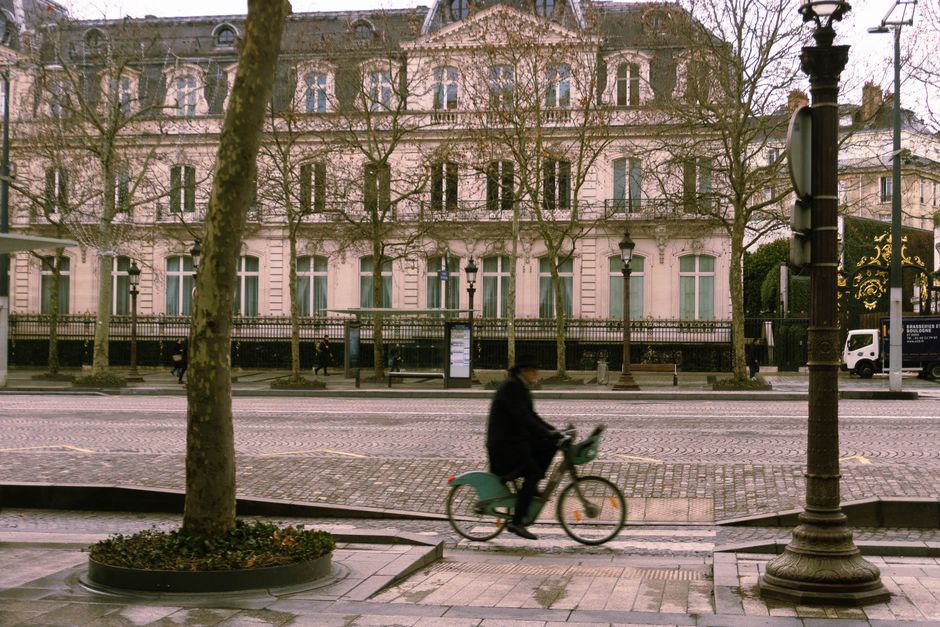
The playground at Square des Peupliers in the 13th arrondissement fills by 4:15 p.m. on weekdays—a reliable rhythm that reflects something increasingly rare in Paris: families who've chosen to stay, to invest, to build roots. Here, where ivy creeps up Belle Époque villas and cobblestone streets feel almost village-like, the character of child-rearing has quietly shifted.
What's emerged across Paris's family-friendly neighbourhoods isn't a return to nostalgia, but rather a new pragmatism. Young parents around the Canal Saint-Martin and spreading into the 11th arrondissement are creating hyper-local ecosystems—trading recommendations for bilingual preschools (fees ranging from €800 to €2,500 monthly), sharing tips about state school catchments, and building informal networks that sometimes rival official institutions.
"The neighbourhood defines everything," explains Isabelle Martin, who opened her micro-crèche on Rue de Marseille three years ago, capitalising on demand from families unwilling to spend 90 minutes commuting. Her waiting list runs to 18 months. Similar micro-crèches—typically accommodating 10 children—have become the neighbourhood's artisanal answer to institutional childcare, with parents often hand-selecting their child's caregiver based on philosophy rather than proximity alone.
The 12th arrondissement, traditionally overlooked, now hosts a thriving ecosystem of young families attracted by relatively affordable rents (averaging €1,100 per month for a two-bedroom), access to the Bois de Vincennes, and schools like École Élémentaire Voltaire that have cultivated reputations for progressive pedagogy. Parents organise themselves through WhatsApp groups with surprising sophistication—coordinating school runs, swapping childcare, curating cultural outings to venues like the nearby Théâtre du Châtelet.
The Marais, traditionally a bohemian hub, has transformed into something more family-oriented without losing its edge. Multi-generational apartments—grandparents on one floor, young families on another—are increasingly fashionable, reflecting both economics and a deliberate rejection of nuclear isolation. Community gardens on Rue des Blancs-Manteaux have become de facto neighbourhood parliaments, where parenting philosophies mix with local activism.
What binds these neighbourhoods isn't homogeneity but intentionality. Families here aren't simply raising children; they're constructing parallel support systems, from Saturday morning markets where local producers know regulars by name, to Facebook groups with thousands of members debating everything from homework loads to school lunch menus. It's parenting as civic engagement—less about individual achievement, more about collective infrastructure.
Paris's family life, it seems, thrives not despite the city's complexity but because of it. These neighbourhoods work precisely because parents have stopped waiting for institutions to solve problems and started building solutions themselves.
This article was compiled by AI from the sources linked above and screened before publishing. See our editorial standards.