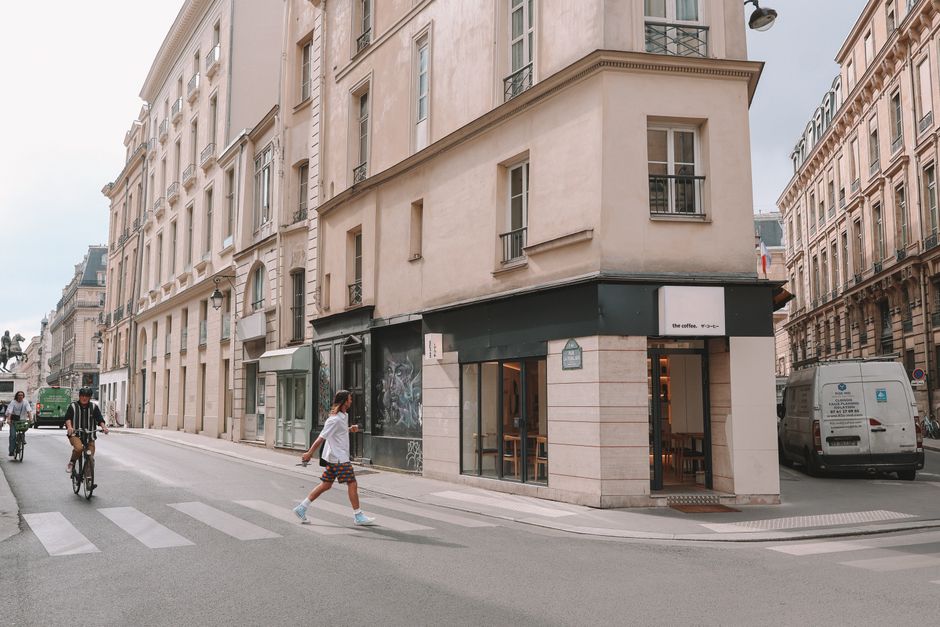
Walk past the carousel on Place des Vosges on a Saturday morning and you'll witness the demographic shift reshaping Paris family life. Where once only wealthy Parisians could afford the Marais's golden-stone townhouses, today's parents represent a more eclectic mix: young professionals, remote workers, and relocated families drawn by the neighbourhood's independent schools and cultural density.
The character of parenting in Paris varies dramatically by arrondissement, each neighbourhood cultivating its own philosophy about childhood, education, and community. In the Marais, where monthly rent for a two-bedroom can exceed €2,200, families prioritise cultural immersion. The Bibliothèque Forney on Rue de Turenne hosts regular bilingual storytelling sessions, while parents navigate a landscape of both state écoles and expensive private institutions like the Cours Florencemont, where annual fees run €6,500 for primary pupils.
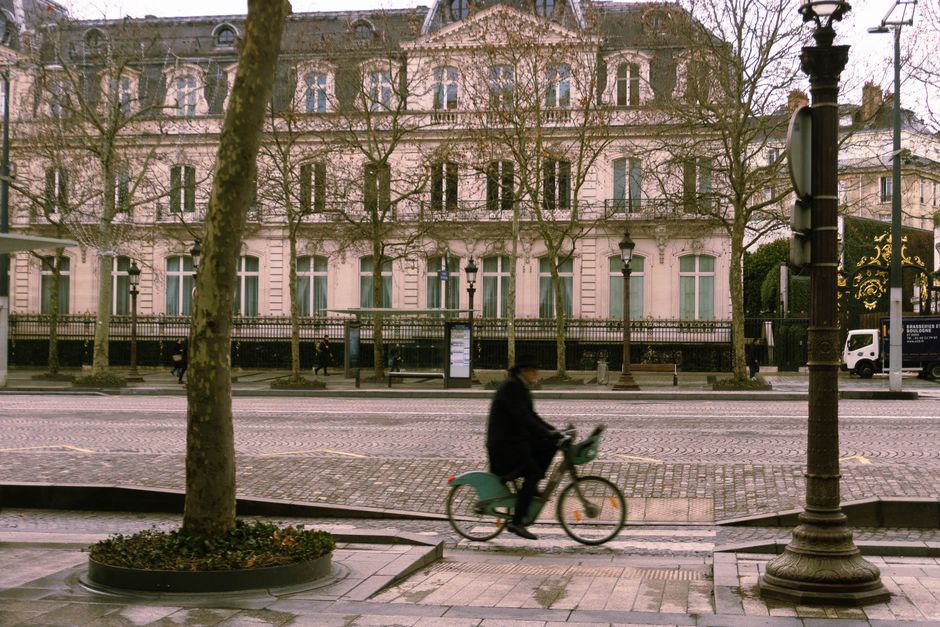
Cross the Seine to Passy, and the atmosphere transforms entirely. Tree-lined streets, leafy squares like Square de l'Alboni, and a prevalence of three-generation family homes create something approaching small-town domesticity within the 16th arrondissement. Schools here, including the highly regarded Lycée Janson de Sailly, have waiting lists stretching years. Parents speak of "village psychology"—neighbours who've known each other's children through generations, butchers who remember your family's preferred cuts, pharmacists who keep detailed health records.
The 11th arrondissement tells yet another story. More affordable than the Marais or Passy, Oberkampf and République have become magnets for younger parents managing work-life balance differently than their predecessors. Community playgrounds around Parc des Buttes-aux-Cailles see genuine mixing—French families alongside expat communities, schoolteachers beside tech workers. Local organisations like the Collectif Paris 11 have revived neighbourhood networks, organising informal parent groups that meet at cafés along Rue Jean-Pierre Timbaud.
School choice itself reflects these neighbourhood identities. State schools in affluent 16th and 8th arrondissements maintain centuries-old reputations, while central neighbourhoods increasingly see parents exploring Montessori, Steiner, and bilingual alternatives. A growing phenomenon: families deliberately choosing less prestigious neighbourhoods for their schools' community ethos rather than academic rank alone.
The summer of 2026 has intensified these patterns. With hybrid working now normalised post-pandemic, affluent families no longer feel compelled toward the city centre. Passy and Neuilly have seen renewed migration, while artists and creative professionals have deepened roots in the 11th and 12th. Paris's family geography, it seems, isn't determined solely by wealth anymore—but by which neighbourhood's particular rhythm matches a family's definition of the good life.
This article was compiled by AI from the sources linked above and screened before publishing. See our editorial standards.