Paris Office Market Is Reshaping Your City: What Residents Need to Know
Empty floors in La Défense and rising rents in the Marais are not just a landlord problem — they are quietly redrawing the neighbourhoods where Parisians live, shop and work.
Empty floors in La Défense and rising rents in the Marais are not just a landlord problem — they are quietly redrawing the neighbourhoods where Parisians live, shop and work.
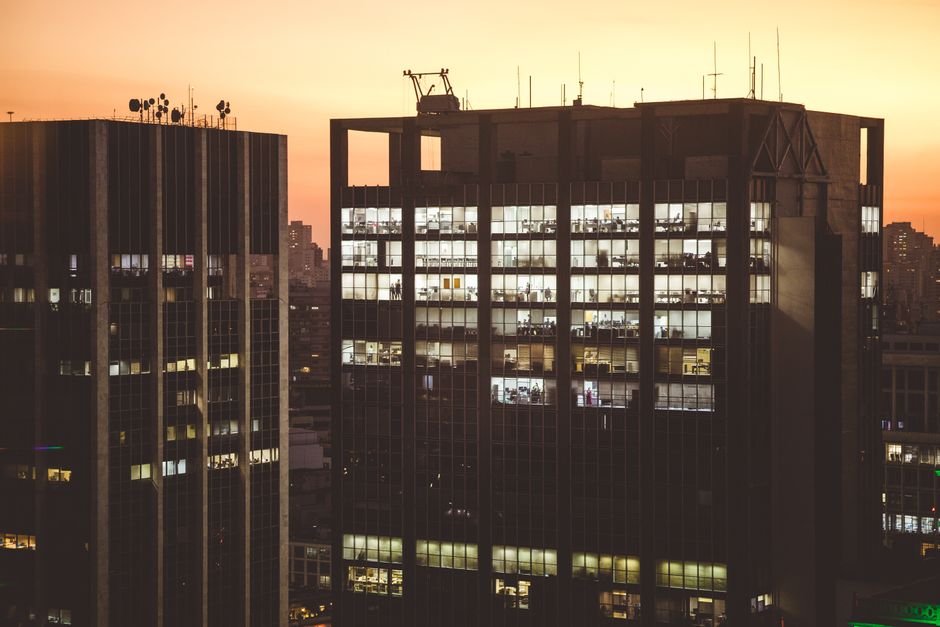
Vacancy rates in Paris's central office districts have climbed to their highest levels since 2010, according to data compiled by property consultancy CBRE France in its mid-year 2026 report. The figure — 8.4 percent across the Île-de-France region — sounds like an abstraction until you walk past the darkened ground floors on Boulevard Haussmann or notice the scaffolding-wrapped towers going nowhere fast in La Défense. For ordinary Parisians, this is not a footnote. It is the beginning of a structural shift that will touch housing costs, high street retail and the character of entire arrondissements.
The timing matters. Europe's office market has been wobbling since hybrid working normalised after 2020, but Paris is hitting a crunch point in 2026 because a wave of leases signed before the pandemic — typically nine-year French commercial leases — are now expiring simultaneously. Companies are renewing at smaller footprints or not renewing at all. That decision ripples outward: fewer commuters mean fewer lunchtime covers at brasseries, fewer customers at dry cleaners, and reduced foot traffic for the pharmacies and tabacs that anchor neighbourhood economies.
La Défense, home to the headquarters of BNP Paribas, Total Energies and dozens of multinationals, is carrying roughly 400,000 square metres of available space, according to the Établissement Public Paris La Défense's latest occupancy figures. Some of that stock dates from the 1980s and is structurally uncompetitive against newer certified buildings. Owners of those older towers face a hard choice: spend €3,000 to €5,000 per square metre on deep renovation to meet the EU's updated energy performance directives, or accept long vacancy periods and falling rents.
The story is different but equally significant along the eastern arc — around République, Canal Saint-Martin and into the 10th and 11th arrondissements. There, smaller creative and tech tenants who colonised converted ateliers and co-working spaces during the 2015–2022 boom are contracting or consolidating. Spaces Paris, the French co-working operator backed by IWG, closed two of its five Paris sites in the first half of 2026. The resulting empty units are, in some cases, being converted to residential use under the city's Programme Local de l'Habitat, which set a target of 10,000 new housing units per year through 2028. For renters in the 10th arrondissement, where a 50-square-metre flat now averages €1,450 per month, even modest additions to housing supply could matter.
The conversion pipeline is real but slow. Planning applications under the PLH framework take an average of 22 months from submission to building permit in Paris, according to the Mairie de Paris urbanisme division's 2025 annual report. Residents should not expect rapid transformation. What they will see sooner is an uneven high street. Ground-floor retail units attached to struggling office buildings are increasingly offered at distressed rents to fill them, which is drawing in lower-margin operators — discount grocers, vaping shops, nail bars — rather than the butchers and boulangeries that define Parisian commercial streets.
That is not inevitable. Several arrondissement councils, including the 13th and the 19th, are using their droit de préemption commercial — a legal right to block certain retail lease transfers — to preserve what planners call activités de proximité, the everyday services residents depend on. Whether that tool is used aggressively enough will depend on local political will, and on whether the Mairie de Paris under Mayor Anne Hidalgo's successor after the 2026 municipal elections maintains the same priorities.
For anyone renting a flat, hunting for office space as a freelancer, or simply wondering why the café on their corner has been shuttered for six months, the office market is the upstream cause. Watch the conversion approvals from the Mairie, watch which ground floors get filled by whom, and expect the geography of Paris's working life to look noticeably different by 2028.
How does this story make you feel?
Spread the word
About this article
Published by The Daily Paris
Daily brief
Free, in your inbox before 7am. Weekdays.
More in Business