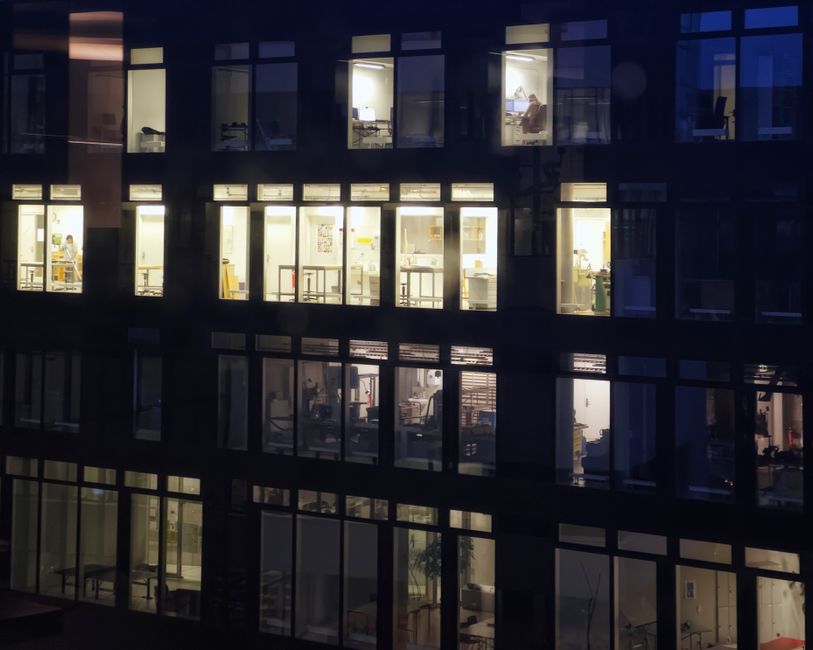
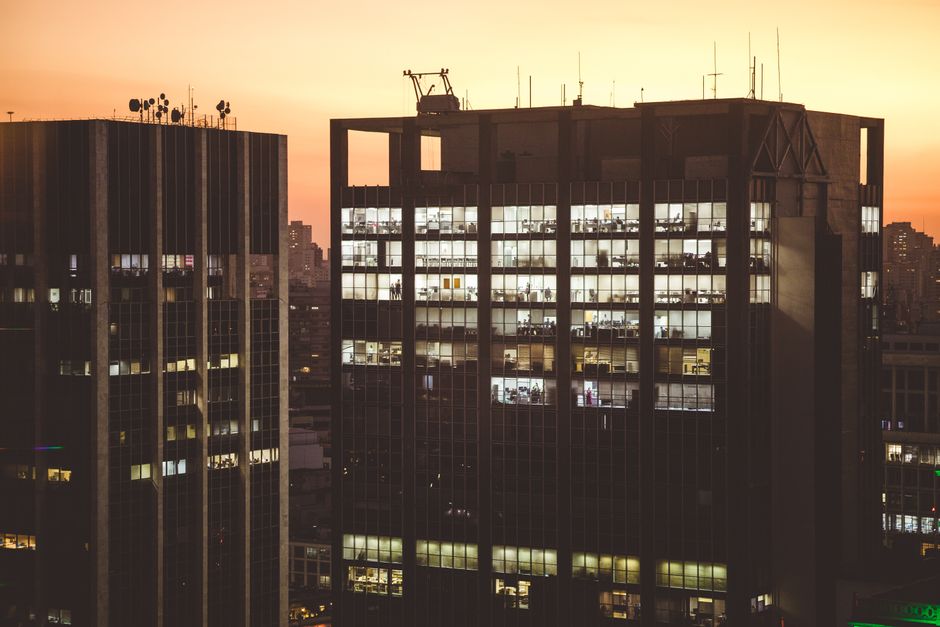
Paris' commercial property market is experiencing a significant transformation, with a notable increase in vacant office spaces, particularly in the 2nd and 9th arrondissements. This shift is largely driven by the growing trend of remote work and the subsequent decrease in demand for traditional office spaces.
The evolution of the commercial property market matters now because it has a direct impact on the city's economy, employment opportunities, and the overall character of Paris' neighbourhoods. As offices close or transition to other uses, the surrounding retail and service businesses are also affected, leading to a ripple effect on the local community. The city's efforts to revitalize and repurpose these spaces will be crucial in maintaining the vibrancy and attractiveness of Paris.
In areas like the Champs-Élysées and the Latin Quarter, the effects of this transformation are already visible. The iconic Galeries Lafayette department store on Boulevard Haussmann, for instance, has been exploring new concepts to attract customers, including hosting events and exhibitions. Similarly, the Canal Saint-Martin neighbourhood has seen a surge in coworking spaces and startups, with organisations like La French Tech and Station F supporting innovation and entrepreneurship. The Paris Chamber of Commerce and Industry has also launched initiatives to promote the development of new businesses and jobs in the city.
Market Trends and Data
According to a recent report by the commercial real estate firm, JLL, the vacancy rate for office spaces in Paris has increased to 7.5% as of June 2026, up from 5.5% in the same period last year. The average rent for office spaces in the city centre has also decreased by 10% over the past 12 months, with prices now ranging from €600 to €1,200 per square metre per year. Furthermore, data from the Paris City Council shows that the number of new business registrations in the city has increased by 15% in the first half of 2026 compared to the same period in 2025, indicating a growing interest in entrepreneurship and innovation.
As the commercial property market continues to evolve, it is essential for consumers and residents to understand the potential implications on their daily lives. With the rise of coworking spaces and remote work, there may be opportunities for new businesses and services to emerge, catering to the needs of this shifting workforce. Additionally, the repurposing of vacant office spaces could lead to the creation of new community areas, cultural venues, or innovative hubs, enhancing the quality of life in Paris. As the city navigates this transformation, residents and consumers must stay informed and engaged to ensure that the changes benefit the community as a whole.