What Every Parisian Should Know About Tourism's Growing Grip on Daily Life
As visitor numbers surge past pre-pandemic records, residents face rising costs, crowded neighbourhoods, and changing access to essential services.
As visitor numbers surge past pre-pandemic records, residents face rising costs, crowded neighbourhoods, and changing access to essential services.
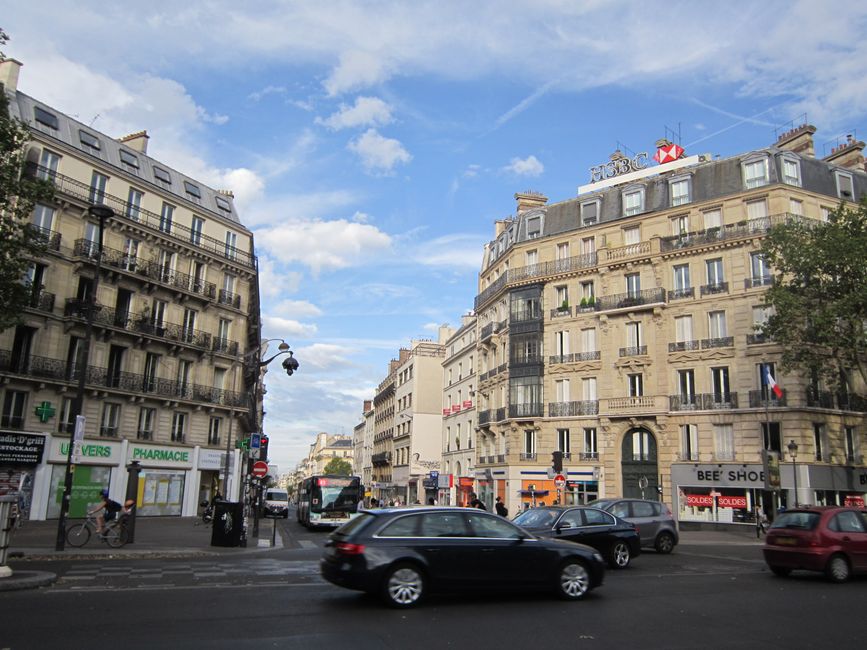
Paris welcomed 27.6 million visitors last year—a figure that has quietly reshaped how ordinary residents navigate their own city. Yet the economic machinery driving this boom, and its real costs, remain poorly understood by those living here day-to-day.
The numbers tell a story. Hotel occupancy rates now exceed 88% in central arrondissements, pushing nightly rates well above €150 even in modest establishments. Meanwhile, apartment rents in the Marais and around Notre-Dame have climbed 23% since 2023, as property owners shift units to short-term tourist rentals managed through platforms like Airbnb. A one-bedroom flat near Boulevard Saint-Germain that once rented for €900 monthly now fetches €1,200—or generates far more through weekly tourist bookings.
This matters because it affects where Parisians can afford to live. The phenomenon has hollowed out entire blocks. Local bakeries and pharmacies on Rue de Rivoli have been replaced by souvenir shops and crepe stands. The neighbourhood around Sacré-Cœur now sees 8 million annual visitors, effectively colonising what were once functional residential streets.
Transport infrastructure strains visibly. The Métro Line 1, which connects the Louvre to the Champs-Élysées, operates 15% above capacity during peak hours. RATP reports that visitors account for roughly 40% of passengers on central lines, creating genuine congestion for workers and students trying to reach jobs or classes.
The economic benefit exists—tourism generates approximately €17 billion annually for the Île-de-France region, supporting genuine employment. But distribution matters. While large hotel groups and multinational restaurant chains capture significant margins, neighbourhood businesses struggle. A café owner on Rue Mouffetard pays tourism-inflated rents but competes with a hundred identical establishments within 200 metres, each targeting transient customers who spend little beyond a coffee.
City Hall's recent initiatives—limiting short-term rentals and investing in local commerce—suggest acknowledgment of the problem. Yet enforcement remains patchy, and the tension between visitor economy growth and residential livability continues sharpening.
For everyday Parisians, understanding this dynamic is practical. Rising costs for housing and daily services are directly connected to tourism flows, not just broader inflation. Your neighbourhood's character depends partly on whether local housing stock remains occupied by residents or gets converted to tourist accommodation. These aren't abstract economic trends—they're reshaping who can afford to live here, and how those who remain experience their city.
This article was compiled by AI from the sources linked above and screened before publishing. See our editorial standards.
How does this story make you feel?
Spread the word
About this article
Published by The Daily Paris
Daily brief
Free, in your inbox before 7am. Weekdays.
More in Business