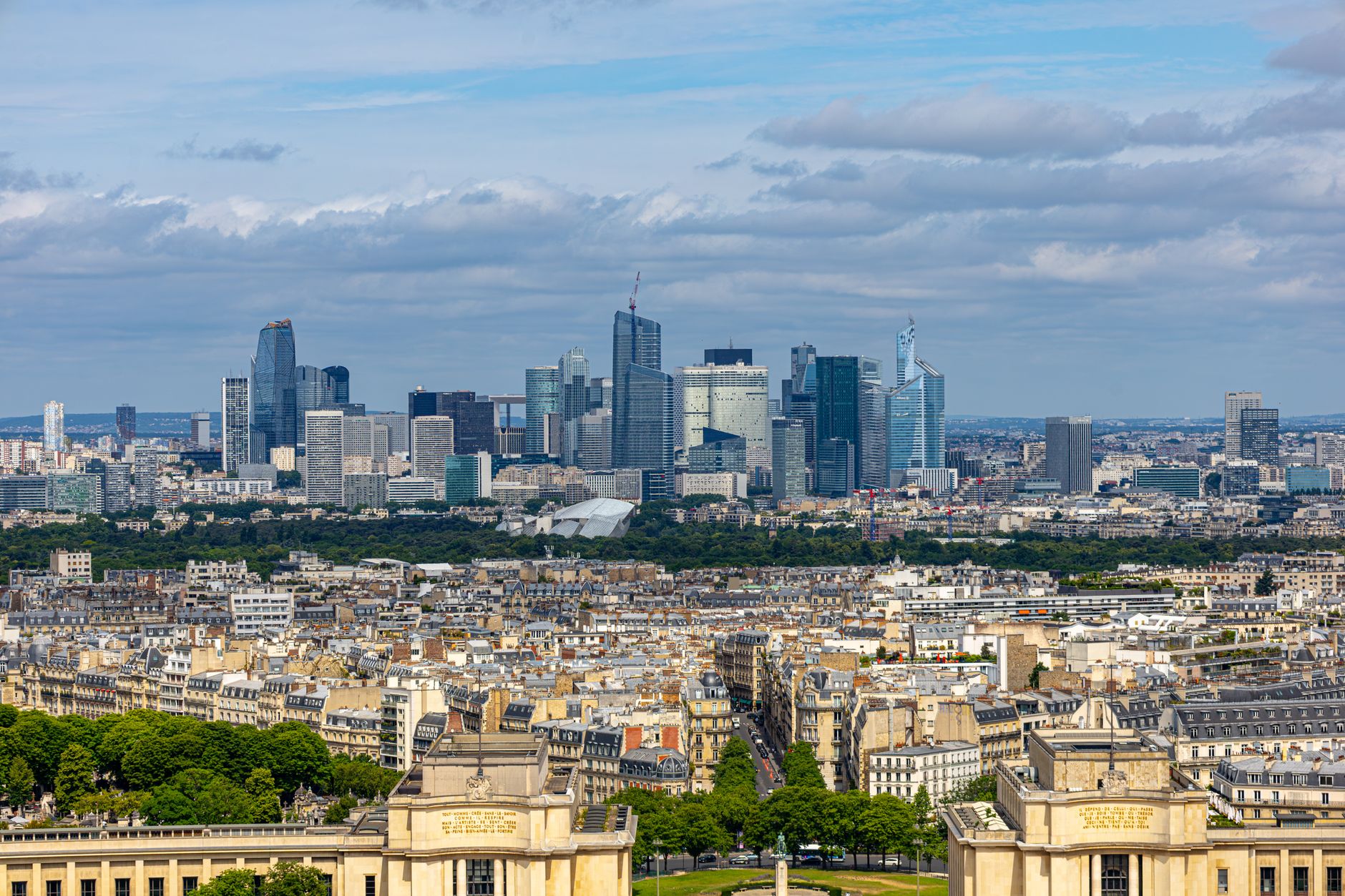
The gleaming office towers along La Défense tell one story; the human resources departments inside them are telling quite another. Over the past six months, Paris's employment landscape has shifted in ways that mirror the turbulent international headlines—from geopolitical friction to supply chain anxieties—creating a paradoxical jobs market where certain sectors boom while others stall.
Recruitment specialists working the Marais and Montparnasse corridors report a marked divergence. Tech companies hiring for cybersecurity and data analysis roles are offering premium salaries, with senior positions reaching €85,000-€120,000—reflecting corporate nervousness about digital threats amid rising global tensions. Meanwhile, mid-market firms in the 8th arrondissement that serve export-heavy industries are quietly shelving expansion plans. One consulting firm near Place de la Concorde delayed its summer hiring intake by two months, citing "unpredictable international conditions" affecting client demand.
The Hotel and Tourism Federation reports similar hesitation. While leisure travel bookings into Paris remain robust—the city still commands premium positioning—corporate travel budgets have contracted. Meeting and conference segments that typically drive business travel employment are down nearly 12 percent compared to 2025, according to Paris Convention and Visitors Bureau data released last week.
Supply chain volatility is reshaping logistics jobs. Companies managing distribution across Europe from warehouses in the Île-de-France region are urgently hiring resilience specialists and supply chain analysts—roles barely existed three years ago. The average salary for these positions has jumped 18 percent year-on-year, making them among the most competitive openings in the region.
Interestingly, sectors serving domestic consumption remain relatively stable. Retail and hospitality venues across the Latin Quarter and near Châtelet-Les Halles report steady hiring for seasonal and permanent positions, albeit with tighter margins on salary growth. A manager at a luxury goods distributor noted that recruitment timelines have extended; candidates now expect more clarity about company stability before committing.
The broader picture suggests Paris's economy is bifurcating: companies insulated from international disruption—luxury goods, domestic-focused services, and certain tech subsectors—are hiring confidently. Those deeply integrated into global supply chains or dependent on international client spending are adopting a wait-and-see posture.
For job seekers navigating the capital's competitive market, the message is clear: specialisation in crisis-resilient skills commands premium positioning, while traditional generalist roles face increased scrutiny. The global economy's tremors are reaching even Paris's insulated quarters.
This article was compiled by AI from the sources linked above and screened before publishing. See our editorial standards.