Paris Hospitality Jobs: Automation Reshapes Hiring
Paris restaurants and hotels automate operations while training providers retrain workers. How the capital's hospitality sector adapts to AI and robotics.
Paris restaurants and hotels automate operations while training providers retrain workers. How the capital's hospitality sector adapts to AI and robotics.
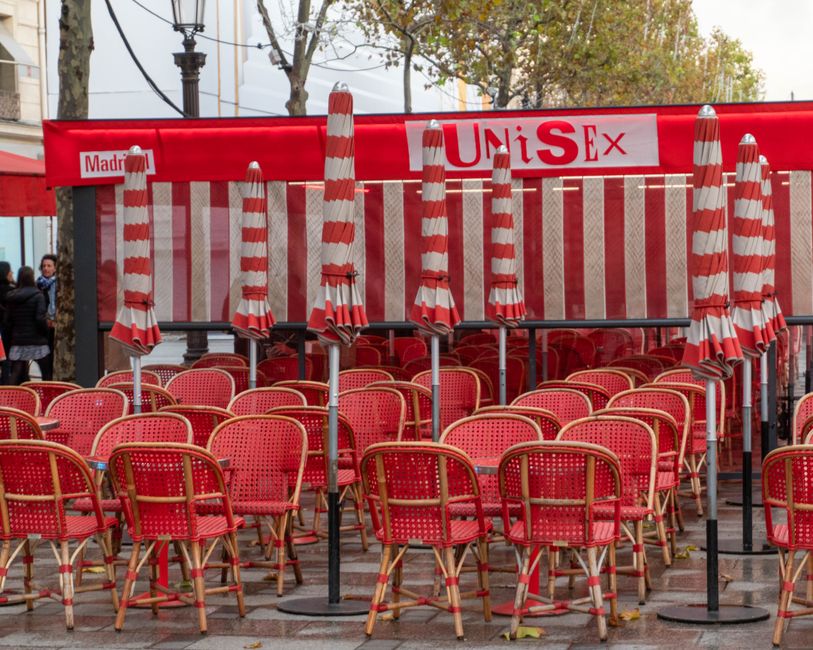
Paris's legendary food and hospitality sector is undergoing a quiet but significant transformation that is forcing a reckoning with how the city trains, hires, and values its workforce. While global headlines focus on geopolitical instability and economic headwinds, the real story reshaping employment in the French capital involves automated kitchens, AI-powered reservation systems, and a shrinking pool of young workers willing to take traditionally low-wage service roles.
The shift is most visible in the Marais and around Rue de Rivoli, where haute gastronomy establishments have begun integrating kitchen automation systems from companies like Miso Robotics, reducing prep work and speeding service. Meanwhile, mid-range bistros—the backbone of Parisian dining—report that 34% of positions remain unfilled for more than three months, according to recent data from the Chambre de Commerce et d'Industrie Île-de-France. The median starting wage for front-of-house staff remains around €1,650 monthly, insufficient to attract talent in a city where studio apartments command €700-900 in rent.
The challenge extends beyond individual establishments. Hotel groups operating properties along the Seine and in the 8th arrondissement are experimenting with mobile check-in technology and robotic concierge services, fundamentally altering the entry-level hospitality pipeline that has traditionally absorbed school-leavers and migrants seeking stable work. The ripple effect has forced established training bodies like Institut Paul Bocuse to completely redesign curricula, pivoting from pure culinary technique toward digital menu engineering, data analytics, and guest experience design.
What's particularly acute in Paris is the mismatch between job losses in routine roles and wage stagnation in emerging positions. A sommelier or kitchen manager versed in inventory software now commands €2,200-2,600 monthly—a meaningful increase, but one that requires skills most incumbent workers lack. Several small business coalitions representing family-run restaurants in the 5th and 6th arrondissements have begun lobbying the municipal government for subsidised retraining programmes, warning that without intervention, Paris risks losing institutional knowledge embedded in its culinary workforce.
The city's tourism recovery since 2024 has paradoxically worsened the labour shortage; demand for services has surged precisely as the supply of willing workers has contracted. Some establishments are responding by raising wages by 8-12% and improving scheduling flexibility, but such moves remain spotty and insufficient. Industry observers suggest Paris faces a choice: invest substantially in worker transition support, or accept a gradual erosion of the artisanal hospitality culture that defines its global brand.
This article was compiled by AI from the sources linked above and screened before publishing. See our editorial standards.
How does this story make you feel?
Spread the word
About this article
Published by The Daily Paris
Daily brief
Free, in your inbox before 7am. Weekdays.
More in Business


