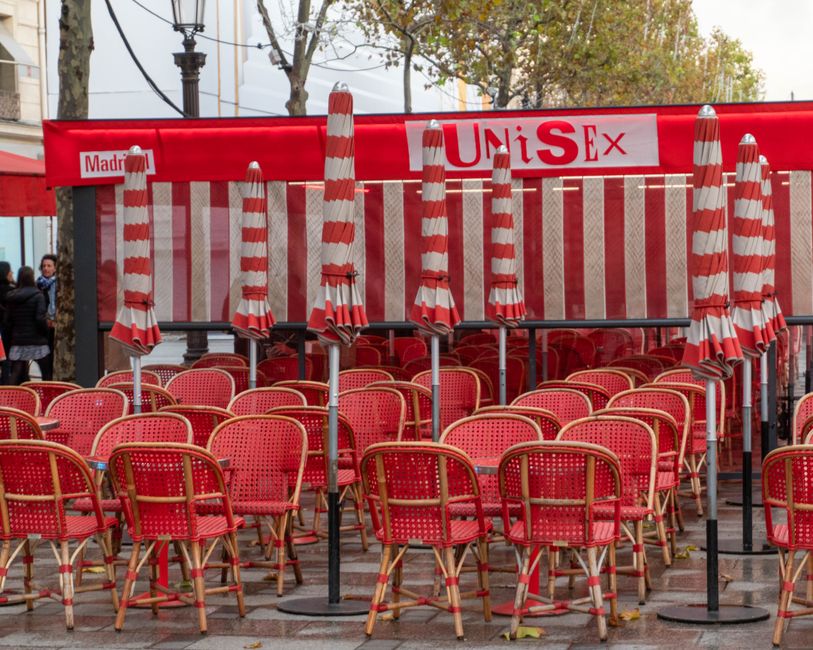
The espresso machine at Café Kitsuné in the Palais Royal gardens may still steam perfectly at 8 a.m., but the conversation among the laptop-wielding entrepreneurs gathered there has grown noticeably more anxious. This morning, as it has been for weeks, talk turns to capital flight, currency volatility, and the creeping cost of doing business in a city that increasingly feels buffeted by forces beyond its control.
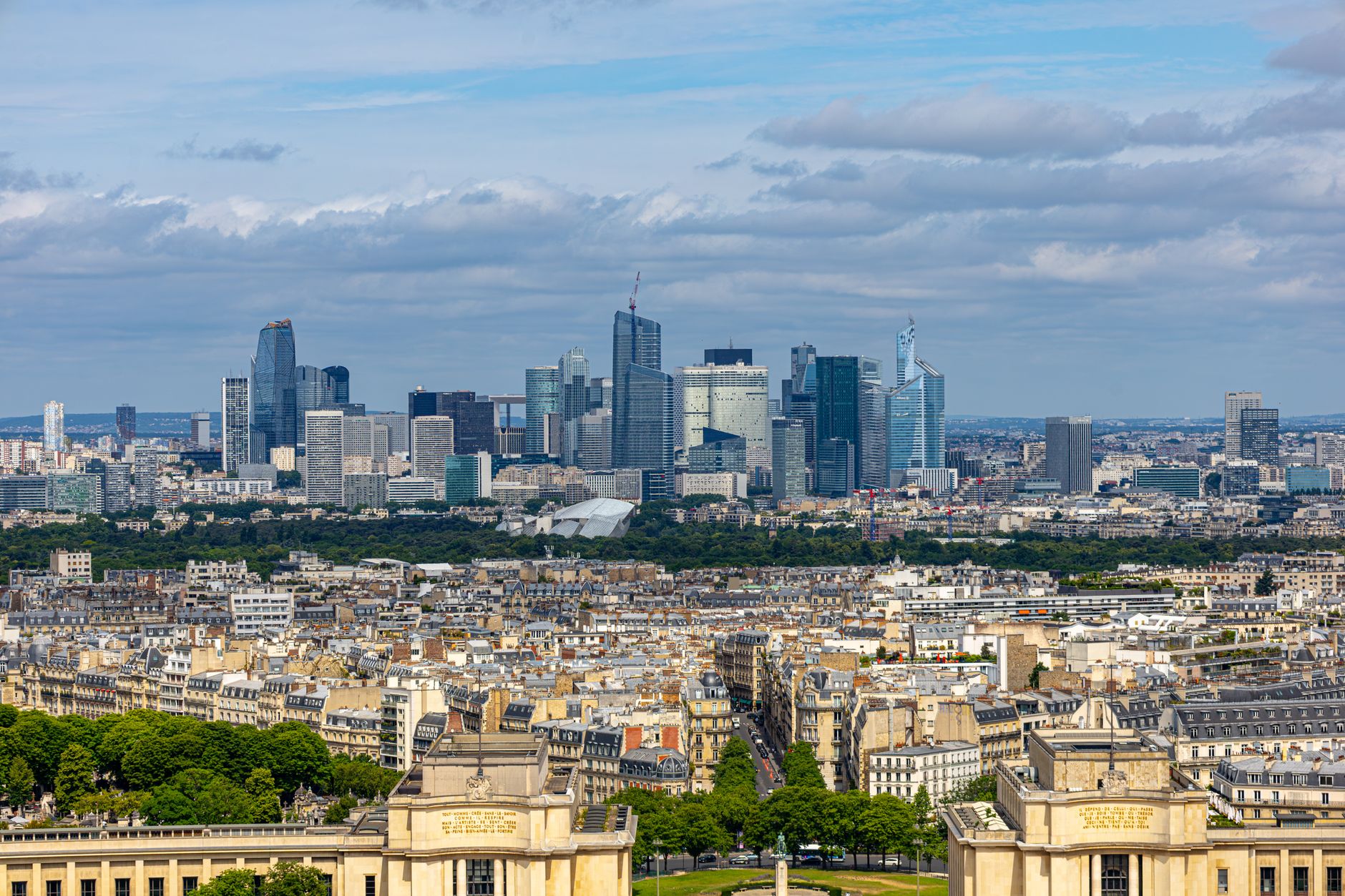
Paris's status as a global financial hub has always meant exposure to international currents. But the velocity and severity of recent shocks—Middle Eastern tensions threatening shipping lanes, political instability in emerging markets, Venezuelan economic collapse—have created a new reality for local business operators. Commercial rents in the 8th arrondissement have risen 12 percent year-on-year, while energy costs for office space remain elevated. For small and medium-sized enterprises in the Marais's creative district, these pressures are acute.
"We're seeing clients delay expansion plans," explains one investment advisor at a boutique firm on Rue de Rivoli, speaking on condition of anonymity. "Companies that would normally commit capital to new Paris locations are now sitting tight, waiting to see how global volatility settles." This hesitation echoes across sectors. Restaurant groups considering growth in the Latin Quarter are reconsidering. Tech startups in Station F—Europe's largest startup campus—are stretching runway calculations longer.
The impact flows downstream. Property developers in the Bastille and Oberkampf neighbourhoods report cooling interest in premium office conversions. Hospitality businesses that depend on international conferences and corporate travel at venues like the Palais Omnisports de Paris-Bercy face genuinely reduced bookings. Meanwhile, the cost of imported goods—from equipment to raw materials—has risen unpredictably, squeezing margins that were already thin post-pandemic.
Yet Paris's business community isn't passive. Conversations at the Paris Chamber of Commerce increasingly focus on resilience and diversification. Some companies are accelerating supply chain relocations to reduce geographic risk. Others are exploring domestic market opportunities more aggressively, betting that French consumer spending—still relatively stable—offers shelter from global storms.
What makes this moment different from previous downturns is the simultaneity of crises: geopolitical friction, energy uncertainty, and structural inflation all compressing margins at once. For a city whose appeal rests partly on stability and predictability, the message from global markets is unsettling. The question now is whether Paris's institutional depth and innovation ecosystem prove resilient enough to weather an extended period of external turbulence.
This article was compiled by AI from the sources linked above and screened before publishing. See our editorial standards.