Paris's commercial property market is undergoing a profound realignment. After years of tight supply and climbing rents, the city's office sector is cooling significantly—and savvy business leaders need to understand what that means for their next lease decision.
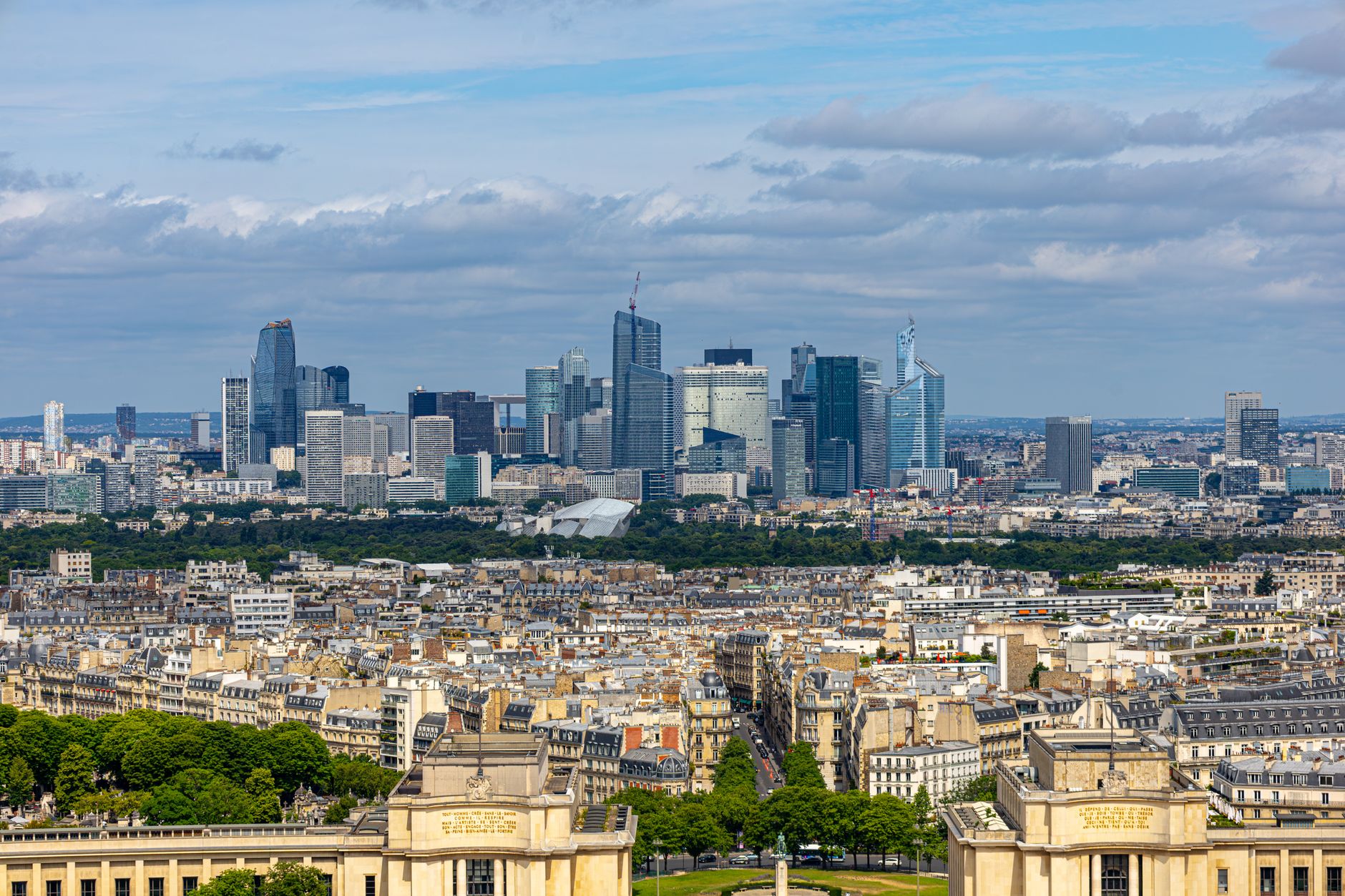
The data tells a sobering story for landlords. Vacancy rates in the central business districts have climbed to levels not seen since 2015, with the 8th arrondissement and La Défense both experiencing notable softening. Average asking rents in prime central locations have declined roughly 8-12% year-on-year, according to recent market surveys. Yet the picture remains deeply fragmented: while traditional office corridors struggle, select micro-locations continue commanding premium valuations.
The culprit is structural, not cyclical. The persistent hybrid work model—now the norm rather than exception across finance, consulting, and tech sectors—has fundamentally altered space requirements. Companies that once calculated office needs based on headcount are now designing for collaboration frequency. A Paris-based asset manager might retain a 500-person building while serving 800 employees, reshaping the entire demand equation.
The implications are immediate. Businesses seeking new or expanded space in areas like the Marais, République, or Bastille now have genuine negotiating leverage—landlords increasingly offer rent reductions, extended free-fit periods, or flexible lease terms to secure tenants. The Châtelet-Les Halles regeneration, while continuing to attract interest, faces stiffer competition from emerging alternatives in the 11th and 12th arrondissements, where younger companies are clustering.
However, the picture inverts at the premium end. Trophy addresses—particularly around Montaigne, the Champs-Élysées, and newly refurbished heritage buildings near the Seine—maintain pricing discipline. Luxury-brand headquarters and financial institutions show no signs of retreat from showcase locations, suggesting a two-tier market is solidifying.
For businesses planning relocations or expansions, the moment demands fresh analysis. Early-2024 assumptions about tight availability and escalating costs no longer hold. Companies should now prioritise flexibility over commitment: shorter lease terms, expansion options, and proximity to public transport matter more than ever as foot traffic to offices declines.
La Défense's ongoing modernisation efforts—including upgraded connectivity and hospitality amenities—position it as a potential beneficiary if companies eventually consolidate suburban operations. Yet this remains speculative. For now, Paris's commercial market is a buyer's market, at least outside the most exclusive enclaves. Businesses with the sophistication to move decisively will find far better terms than they could have imagined eighteen months ago.
This article was compiled by AI from the sources linked above and screened before publishing. See our editorial standards.