Paris Office Market Sends Mixed Signals: What the Numbers Tell Us About Investment Flows
As global uncertainty weighs on decisions, commercial property in the French capital reveals sharp divergences between prime locations and peripheral zones.
As global uncertainty weighs on decisions, commercial property in the French capital reveals sharp divergences between prime locations and peripheral zones.
Paris's office market is exhibiting the hallmark volatility of 2026: strong inflows into fortress assets alongside cautious withdrawal from riskier positions. Understanding these currents requires looking beyond headline rental figures to the economic indicators genuinely steering institutional capital.
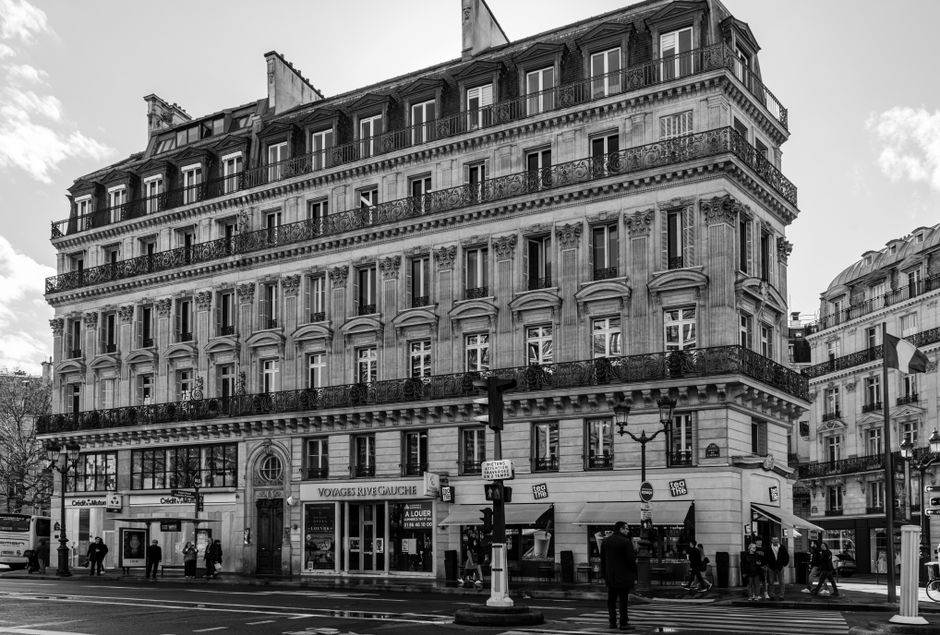
The most visible trend concerns the polarisation of prime real estate. The 8th arrondissement—particularly around the Champs-Élysées and the newly revitalised Marigny precinct—continues attracting marquee tenants. Grade A office space here commands €650–€750 per square metre annually, with occupancy rates hovering near 92%. This resilience reflects a simple calculation: multinational corporations, legal firms, and financial services groups view central Paris as a stability anchor amid global flux. When geopolitical tensions spike or currency markets gyrate, money flows toward recognised anchors.
Contrast this with the outer arrondissements and inner suburbs. The 13th arrondissement, despite its modernisation push around the Austerlitz riverfront, has seen speculative capital retreat. Vacancy rates climbed to 8.5% in the first quarter, whilst rental growth stalled at 1.2% year-on-year. This reflects a fundamental shift: developers and funds are repricing risk. The era of assuming suburban Paris would automatically absorb office expansion has ended.
Interest rates remain the invisible hand. The European Central Bank's policy stance—holding rates steady into mid-2026 amid inflation concerns—has compressed yield expectations for long-term commercial investments. According to recent market surveys, institutional investors now require 4.2% net yields on mid-tier Paris office buildings, up from 3.8% two years ago. That spread matters enormously. It means projects in secondary locations that pencil out at 3.5% yields simply don't attract capital anymore.
Foreign investment flows tell another story. Asian and North American funds allocated €2.3 billion to Paris commercial property in the first half of 2026, down 18% from the equivalent period last year. Yet selectivity, rather than retreat, characterises these flows. Purchases concentrate on trophy assets—the recently refurbished office tower on Boulevard Haussmann, for instance, changed hands at €145 million despite being 87% leased. Buyers aren't spooked; they're discriminating.
One underappreciated indicator: French corporate relocation patterns. A notable cohort of mid-market firms—tech startups moving beyond incubators, scaled manufacturing concerns—are consolidating operations rather than expanding. This dampens demand growth precisely where it once seemed most reliable. The 11th arrondissement, long seen as an emerging office hub, now competes fiercely on price rather than quality premium.
For investors reading the market, the lesson is stark: economic indicators suggest capital will remain abundant but hyperfocused on proven quality and recognised cashflow profiles. Paris's office future belongs to its first-tier addresses.
This article was compiled by AI from the sources linked above and screened before publishing. See our editorial standards.
How does this story make you feel?
Spread the word
About this article
Published by The Daily Paris
Daily brief
Free, in your inbox before 7am. Weekdays.
More in Business