Paris's Trade Hub Faces Perfect Storm as Global Business Grinds Against Geopolitical Friction
Rising tariffs, regional instability and supply-chain fragmentation are testing the resilience of France's export-dependent economy.
Rising tariffs, regional instability and supply-chain fragmentation are testing the resilience of France's export-dependent economy.
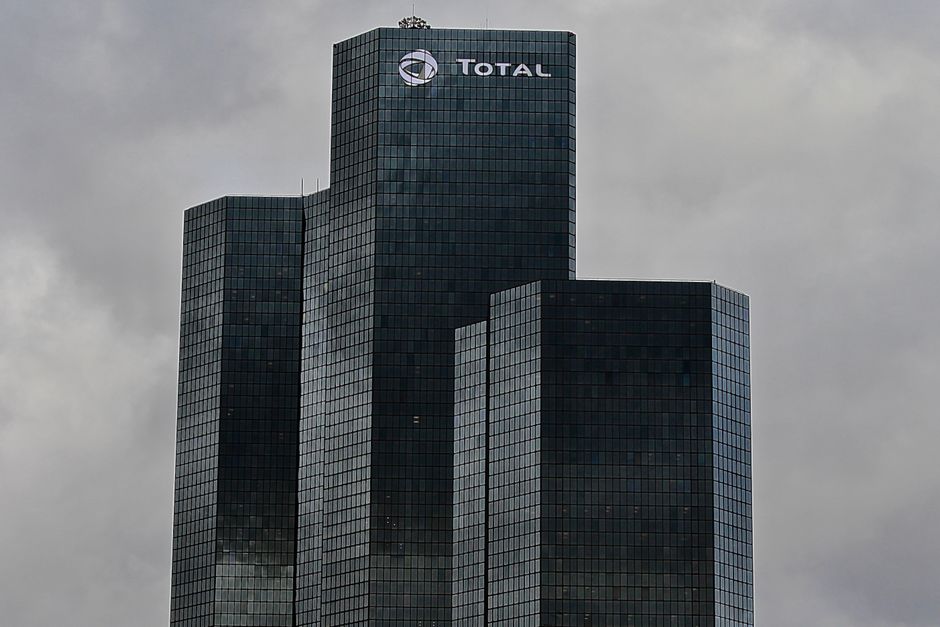
At the Chambre de Commerce et d'Industrie Paris Île-de-France, situated along the Seine's bustling Right Bank, the mood among international traders has shifted noticeably darker. The first half of 2026 has delivered a succession of headwinds that threaten to derail what many hoped would be a recovery year for global commerce.
The numbers tell a sobering story. French exports of manufactured goods have contracted 3.2% year-on-year, according to preliminary data released this month by the Direction Générale des Douanes. Meanwhile, mid-sized companies operating from the business districts of La Défense and around the Marais are reporting delays averaging 18 days longer than historical norms—a consequence of unpredictable border procedures and geopolitical tensions reshaping traditional logistics corridors.
"What we're seeing is a fundamental fragmentation of global supply chains," explains a senior economist at a major Paris-based trading firm. The Middle East volatility, coupled with ongoing tensions that threaten critical chokepoints, has forced businesses to recalculate their sourcing strategies entirely. Companies importing from Asia via traditional routes now face uncertainty; those relying on Iranian oil deals confront fresh complications as diplomatic talks remain precarious.
The Venezuelan crisis compounds these woes. Firms dependent on Venezuelan minerals and commodities—sectors represented among Paris's commodity traders operating near Place Vendôme—face severe procurement shortages. Meanwhile, African instability, particularly the security situation affecting supply lines through the Sahel, has disrupted cotton and agricultural imports that feed into French manufacturing.
Tariff escalation remains perhaps the most immediate threat. The cumulative impact of trade barriers now adds an estimated 4-6% to import costs for many sectors, from electronics to luxury goods. Paris-headquartered fashion and cosmetics exporters, already margin-conscious, are passing costs downstream or absorbing losses.
Labour instability in Pakistan and Afghanistan, refugee pressures affecting port operations across the Mediterranean, and currency volatility tied to geopolitical risk premium all compound matters. The euro has strengthened relative to emerging-market currencies, pricing some French exporters out of traditionally lucrative markets.
Yet Paris's business establishment is not passive. Several organisations based in the 8th arrondissement are exploring nearshoring strategies and developing alternative trade partnerships. The French government's recent €340 million support package for export-focused SMEs signals awareness of the crisis.
The trade sector enters the second half of 2026 bruised but determined. Whether the headwinds will ease remains hostage to geopolitical developments beyond any boardroom's control.
This article was compiled by AI from the sources linked above and screened before publishing. See our editorial standards.
How does this story make you feel?
Spread the word
About this article
Published by The Daily Paris
Daily brief
Free, in your inbox before 7am. Weekdays.
More in Business