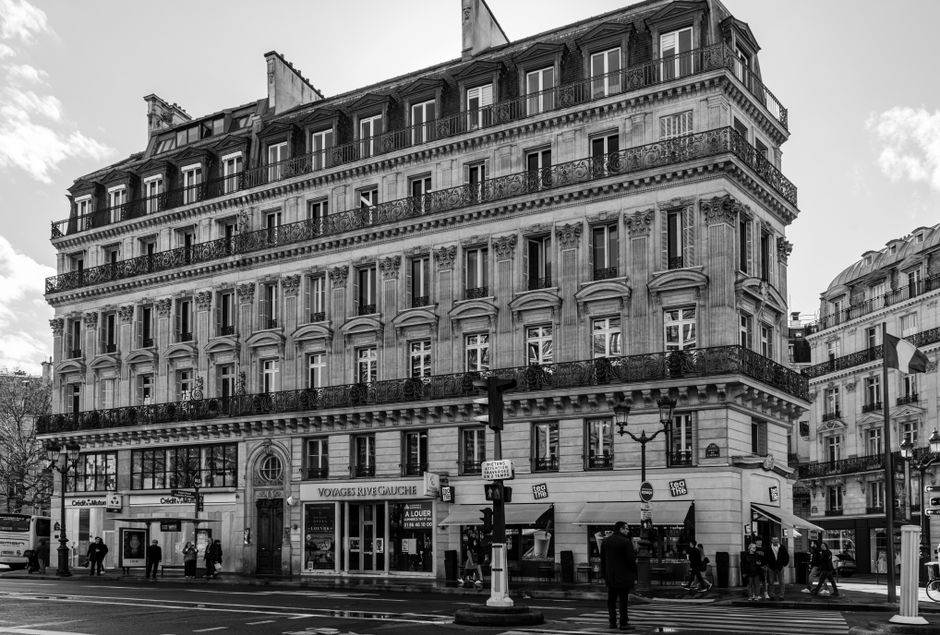
Paris's once-resilient retail and hospitality sector is facing a perfect storm of pressures in 2026, with restaurant owners, hoteliers, and shopkeepers reporting their most challenging trading environment in years. Industry representatives warn that a combination of structural cost increases and flagging consumer confidence is forcing difficult decisions across neighbourhoods from the Marais to the Left Bank.
Labour costs remain the most acute headwind. The French statutory minimum wage increased by 3.2 per cent in January, and employer contributions continue to climb. For a typical bistro on Rue de Rivoli employing ten staff, this translates to an additional €15,000 annually in payroll expenses alone. Energy bills, though stabilised from 2024's peaks, remain 40 per cent higher than pre-pandemic levels—a particular burden for kitchen-heavy establishments in the 4th and 5th arrondissements requiring intensive refrigeration and cooking capacity.
The commercial property landscape has become equally punitive. Rents along Avenue des Champs-Élysées now command €3,500 to €5,000 per square metre annually, pricing out all but the deepest-pocketed international chains. Mid-market restaurants in Montmartre report lease renewals at 15 to 20 per cent above previous terms, squeezing already-thin margins that typically hover between 5 and 8 per cent.
Tourist numbers tell a cautionary tale. While Paris attracted 19.1 million international visitors in 2024, early data for this year suggests a 6 to 8 per cent decline compared to the same period last year. Hotel occupancy in central districts has slipped to 71 per cent from the mid-80s recorded just eighteen months ago. Luxury tourism, traditionally a buffer against economic cycles, shows particular weakness as affluent travellers redirect spending toward regional destinations and competing European capitals.
Domestic consumption has weakened too. Purchasing power among French households has contracted modestly as inflation outpaced wage growth for many workers. High street retailers report footfall down 9 per cent year-on-year in the Marais and Temple districts, with average transaction values declining as consumers trade down or defer non-essential purchases.
Some operators are responding by consolidating operations, reducing opening hours, or exiting the market altogether. The Confederation of French Trade and Hospitality Businesses estimates that 12 to 15 per cent of small independent establishments will close or change hands by year-end—a sharp acceleration from historical churn rates of 8 per cent.
Industry leaders are calling for targeted support from municipal and regional authorities, particularly around energy subsidies and regulatory relief. Without intervention, they caution, Paris risks losing the independent character that defines its hospitality identity.
This article was compiled by AI from the sources linked above and screened before publishing. See our editorial standards.