The mathematics of staying in Paris have become increasingly brutal for young finance professionals. A studio apartment in the 8th arrondissement now averages €950 monthly, while a one-bedroom in more accessible neighbourhoods like Belleville hovers around €750—a 28 percent increase since 2023. For junior bankers and investment analysts earning €35,000 to €45,000 annually, the squeeze is forcing difficult choices about career location.
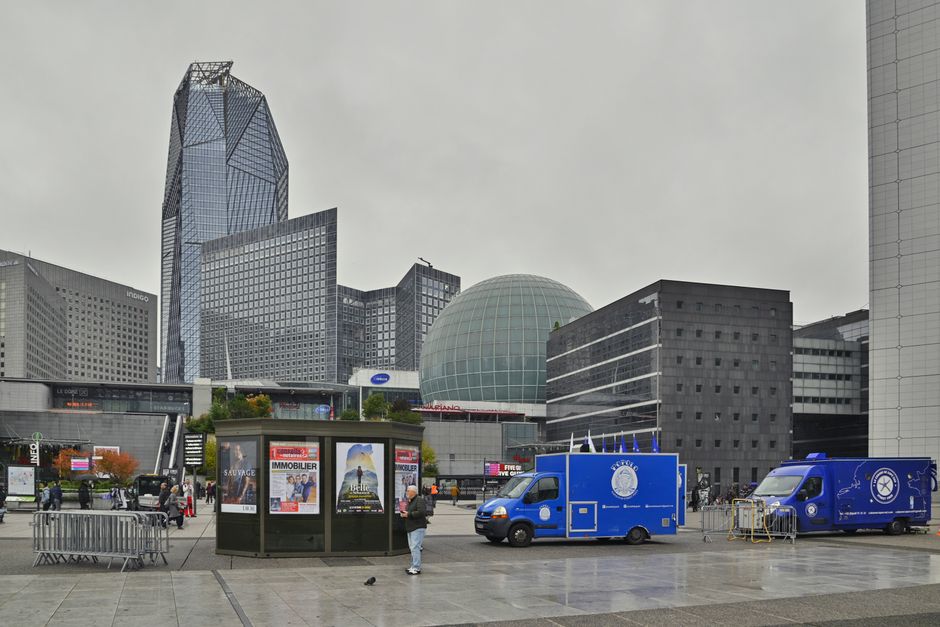
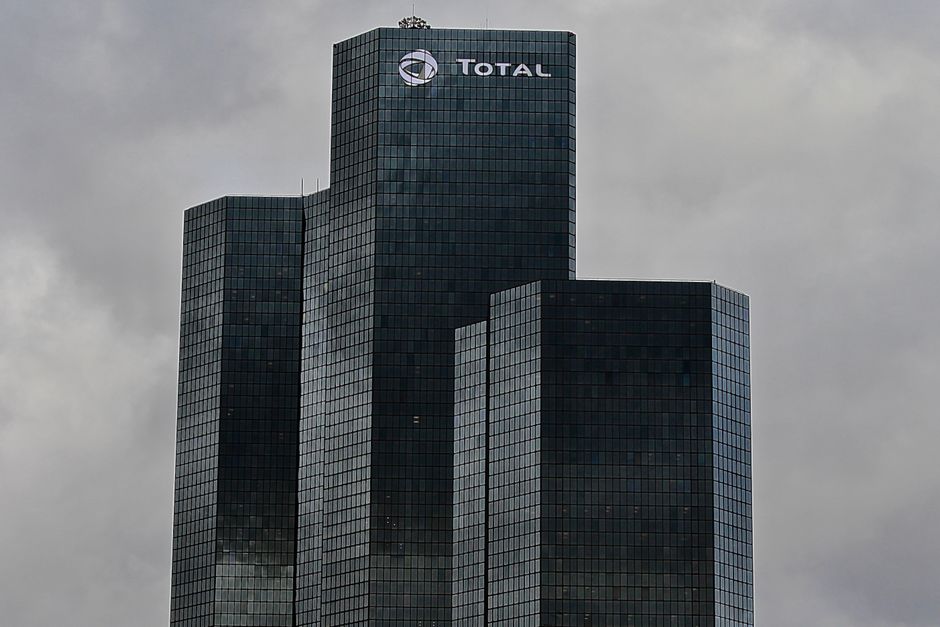
This cost-of-living pressure is reshaping the labour landscape at institutions clustered along the Seine and in La Défense's gleaming towers. Human resources directors at major investment banks and fintech firms report increasing difficulty filling mid-level positions, with some candidates openly negotiating remote-work arrangements or accepting offers from competitors in lower-cost cities like Lyon and Nantes. One recruiter specialising in financial services noted that candidates now routinely ask about flexible working arrangements—a question virtually unheard in Paris's traditionally office-centric finance culture two years ago.
The trend is particularly acute in the fintech sector, where competition for talent has intensified. Companies operating from refurbished spaces near Canal Saint-Martin and in the Marais report losing promising employees to firms offering partially remote models, which allow workers to reduce their Paris presence to three or four days weekly. This flexibility, combined with lower housing costs in secondary markets, has become a tangible competitive advantage.
Established players are responding cautiously. Some firms have begun offering modest housing allowances or relocation packages for external hires, while others are accelerating their expansion in suburban business districts like Neuilly and Boulogne-Billancourt, where office costs and nearby accommodation are more affordable. Yet these measures remain stopgap solutions to a structural problem.
The phenomenon reflects broader tensions within Paris's labour market. While the city remains Western Europe's financial centre, its premium positioning increasingly prices out the very talent pools it depends upon. Graduate engineers and business school alumni—traditionally the pipeline for finance careers—are now factoring Paris's expense ratio into career decisions with unprecedented seriousness.
Industry observers suggest the pressure may ultimately benefit secondary French cities and reshape how global firms think about their Paris operations. For now, the city's finance sector faces an uncomfortable reality: maintaining its status as France's undisputed business capital may require addressing the cost-of-living constraints that make careers there financially precarious for those without inherited wealth or parental support.
This article was compiled by AI from the sources linked above and screened before publishing. See our editorial standards.