Sleep deprivation has become a silent epidemic in Paris, where late-night café culture and demanding work schedules often trump rest. Yet across the city's residential quarters, a quiet revolution is taking shape. Residents are finding that sustainable sleep improvement isn't found in expensive supplements or pharmaceutical interventions, but in hyperlocal wellness practices woven into their neighbourhoods.
In the Marais district, community-led evening yoga sessions at independent studios have expanded dramatically over the past eighteen months. These gentle, wind-down classes—typically offered between 18:00 and 19:30—attract professionals seeking to transition from workday stress to restful evenings. The accessibility is key: classes cost €12–15 per session, significantly lower than mainstream wellness chains, and are often held in converted neighbourhood spaces that feel intimate rather than institutional.
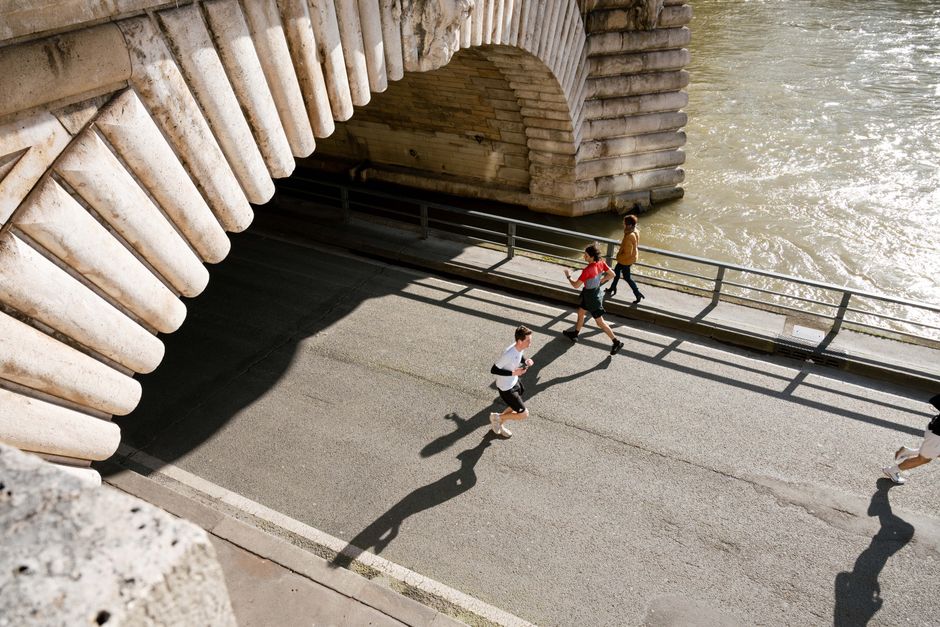
Across the Seine in the 5th arrondissement, residents have embraced outdoor evening walks along the riverbanks as a pre-sleep ritual. The cooler temperatures near the water and the rhythmic sounds of flowing water create natural conditions for circadian reset. Local health advocates note that this practice costs nothing and requires no membership, making it genuinely accessible to all demographics.
The Bois de Boulogne has become an unexpected hub for sleep wellness too. Morning cycling sessions, undertaken before work, help residents regulate their sleep-wake cycles through early light exposure. The park's 846 hectares offer quiet routes that feel restorative rather than competitive—a shift from high-intensity fitness culture that can paradoxically disrupt sleep quality.
What makes these transformations remarkable is their simplicity and embeddedness in daily Parisian life. Unlike sleep clinics—which remain under-resourced within France's universal healthcare system—these community practices are sustained by word-of-mouth and neighbourhood participation. A resident from the 16th arrondissement might discover that Tuileries outdoor yoga, offered free on certain evenings, resolves months of restlessness. Another in the 11th might find that structured neighbourhood walking groups provide both sleep-promoting exercise and social connection, addressing the isolation that frequently underpins insomnia.
France's healthcare system increasingly recognises that preventive wellness—particularly sleep hygiene—reduces downstream medical intervention. Yet individual consultations remain time-limited. Community-led initiatives fill this gap, creating sustainable behavioural change without clinical medicalisation.
These aren't miracle cures, but rather proof that rest restoration begins at neighbourhood level. For Parisians navigating demanding urban life, the path to better sleep runs not through pharmaceutical aisles, but through the streets, parks and studios where local wellness culture is quietly flourishing.
This article was compiled by AI from the sources linked above and screened before publishing. See our editorial standards.