Five Daily Habits Parisians Are Using to Manage Stress—And How You Can Start Today
From Seine-side breathing routines to neighbourhood yoga circles, locals share the practical mindfulness techniques that actually fit into busy Parisian life.
From Seine-side breathing routines to neighbourhood yoga circles, locals share the practical mindfulness techniques that actually fit into busy Parisian life.
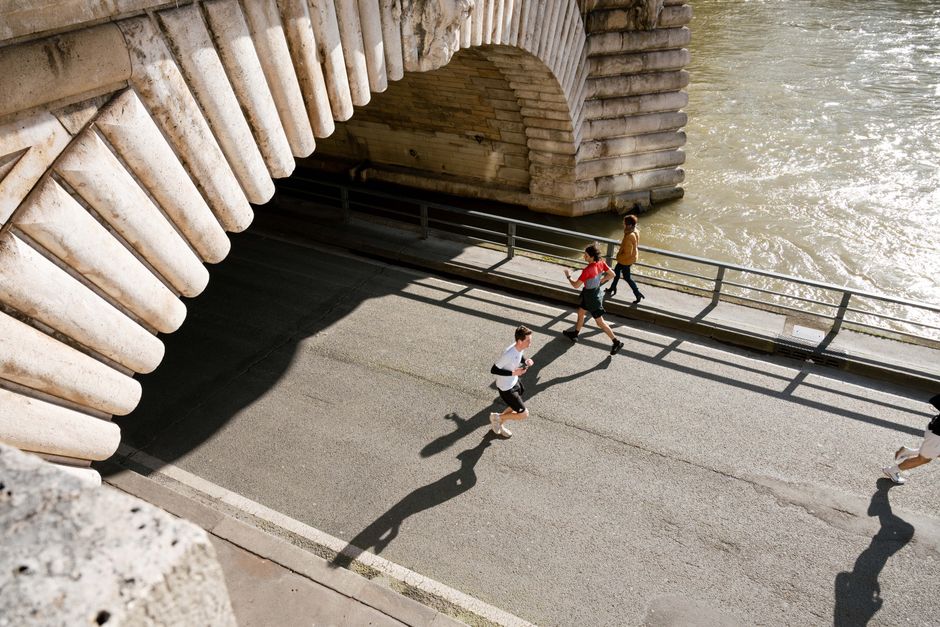
Walk along the left bank of the Seine between Pont de l'Alma and Pont de Bir-Hakeim on any morning, and you'll notice something striking: clusters of Parisians pausing mid-stride, standing still for two or three minutes, eyes closed. It's become a recognisable ritual—what wellness practitioners call 'anchor breathing,' and it's quietly reshaping how the city manages daily stress.
For years, Paris's reputation centred on café culture and philosophical discourse as stress-relief. Today, locals are integrating micro-mindfulness into their existing routines. According to a 2025 survey by the French mental health organisation SOS Amitié, 67% of Parisians now practise some form of daily stress-management habit, up from 41% five years ago.
The Marais district has become an unexpected hub for this shift. Several neighbourhood associations now organise free 20-minute lunchtime meditation sessions in Place des Vosges, drawing office workers from surrounding arrondissements. The cost? Nothing. The attendance? Consistent enough that regular attendees have begun organising informal peer-support groups afterward.
In the 15th arrondissement, Bois de Boulogne remains the city's most accessible green space for movement-based stress relief. Rather than formal gym memberships (typically €50–80 monthly), locals increasingly favour the free cycling and running paths threading through the park. The rhythm of repetitive physical activity, paired with nature exposure, has become a de facto meditation practice for many.
Digital habits are shifting too. Apps like Petit Bambou, a France-based meditation platform, now has over 3 million users—many of whom use the 5-minute evening wind-down sessions rather than longer practices. The logic is practical: life in Paris moves fast, and habits must compress to survive.
The Tuileries Gardens have formalised their outdoor yoga offerings, with sessions now running Tuesday through Sunday mornings (€12 per class, or free for annual pass holders). These aren't Instagram-worthy inversions—instructors design sequences around breath work and gentle movement specifically for stress relief.
What strikes wellness observers is how sustainable these habits have become. They don't require expensive retreats, lifestyle overhauls, or abandoning café culture. Instead, they slot into existing Parisian rhythms: a walk along the quais becomes a breathing practice; cycling to work doubles as moving meditation; a park bench becomes a five-minute mindfulness anchor.
The shift suggests something larger: as urban stress intensifies, Parisians aren't seeking escape from their city. They're learning to inhabit it differently—turning their commute, their lunch break, and their evening stroll into deliberate moments of calm. That's not wellness tourism. That's sustainable living.
This article was compiled by AI from the sources linked above and screened before publishing. See our editorial standards.
How does this story make you feel?
Spread the word
About this article
Published by The Daily Paris
Daily brief
Free, in your inbox before 7am. Weekdays.
More in Wellness