How Parisians Built Fitness Into Their Daily Routine: The Gyms and Studios Behind the Habit
From early-morning cycling clubs in the Marais to lunchtime yoga near the Tuileries, locals share the practical strategies that make exercise stick.
From early-morning cycling clubs in the Marais to lunchtime yoga near the Tuileries, locals share the practical strategies that make exercise stick.
Fitness in Paris isn't about chasing the latest trends—it's about weaving movement into the fabric of daily life. Over the past two years, a clear pattern has emerged among Parisians: the most sustainable habit isn't joining an expensive gym, but finding a studio or facility that slots seamlessly into your commute or lunch break.
The Bois de Boulogne has long been a proving ground for this philosophy. Early risers know that cycling clubs operating from the park's perimeter—particularly those near the Porte Maillot entrance—offer informal group rides at 6:30 a.m. before work. The appeal isn't membership fees (often €8–15 monthly for regular participants) but predictability: the same route, the same time, the same faces. Habit formation happens fastest when friction is removed.
In the Marais, boutique fitness studios on Rue des Francs-Bourgeois have reported steady membership growth, not through viral marketing but through a different mechanism: the lunchtime class. Studio owners here have noticed that professionals working within a 10-minute walk are far more likely to maintain a routine than those traveling from across the city. One recurring observation: clients who attend 12:45 p.m. sessions three times weekly miss fewer classes than evening attendees, simply because the time is already cordoned off in their calendar.
The Tuileries outdoor yoga movement—a phenomenon that intensified post-2024—represents perhaps the most ingenious habit-building infrastructure. Free or low-cost sessions (typically €5–8 per class) operate on grass near the Pont des Arts most mornings. The barrier to entry is minimal: no membership, no app, just show up. Regulars report that the social element—consistent instructors and familiar practitioners—creates accountability that paid studios sometimes struggle to replicate.
Swimming clubs affiliated with the Fédération Française de Natation operate at subsidized rates through Paris's universal healthcare model partnerships, making regular lap swimming accessible across arrondissements. The 13th and 15th host particularly active facilities, with morning and evening slots filling quickly.
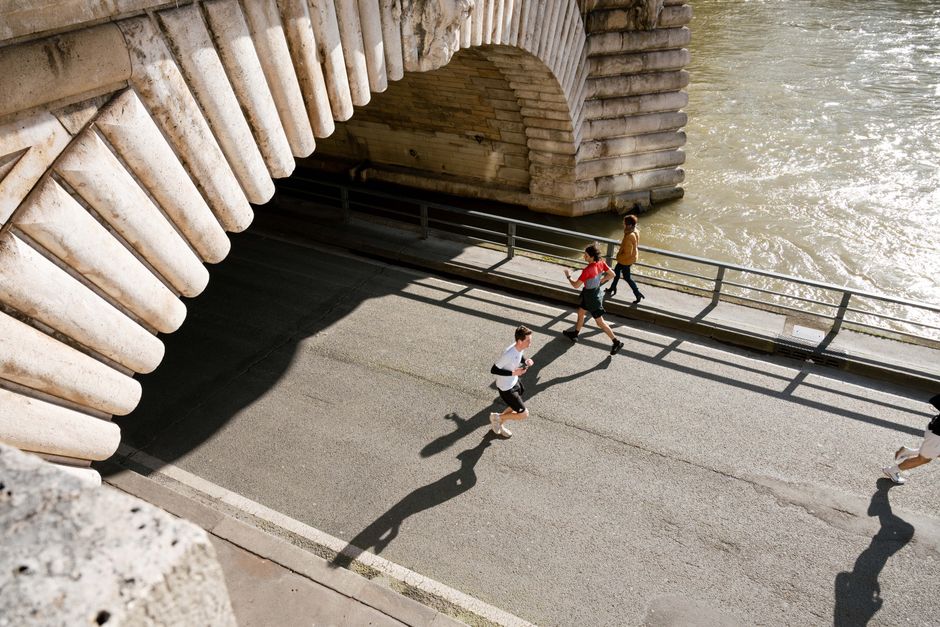
What ties these examples together isn't equipment or luxury amenities—it's proximity, consistency, and low psychological friction. Parisians who maintain fitness habits typically combine one structured activity (a weekly class or group) with environmental design: living near running paths along the Seine, keeping a cycling bag at work, or scheduling studio time during natural breaks.
The practical takeaway: sustainable fitness in Paris isn't about the most prestigious gym, but about removing the decision-making process entirely. Choose something close, choose a regular time, and let habit do the work.
This article was compiled by AI and screened before publishing. See our editorial standards.
How does this story make you feel?
Spread the word
About this article
Published by The Daily Paris
Daily brief
Free, in your inbox before 7am. Weekdays.
More in Wellness