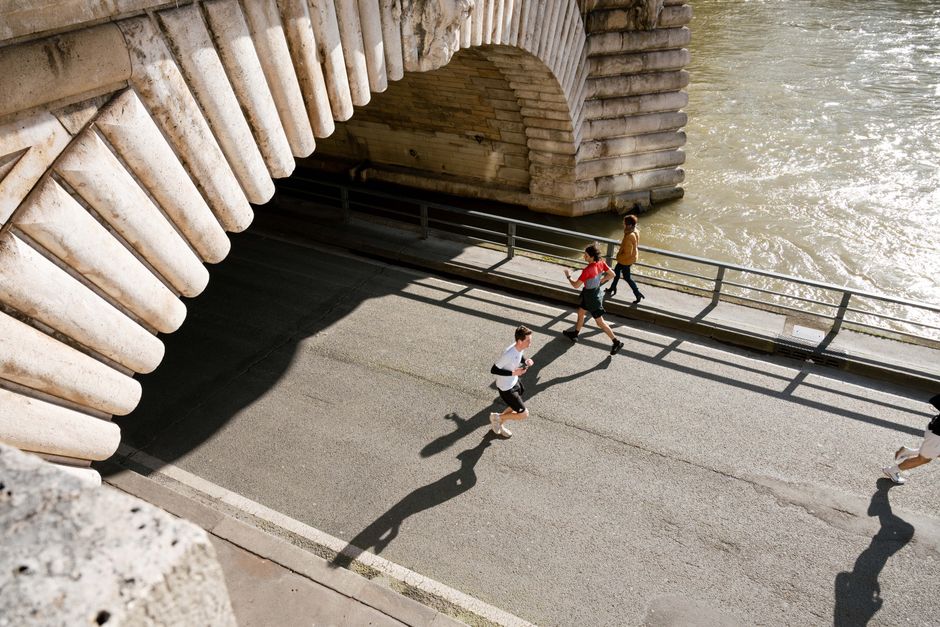
On any given morning, the quays between Pont de l'Alma and Pont de Bir-Hakeim fill with joggers moving through their weekly rhythm. This isn't casual exercise—it's part of a broader preventive mindset that has become woven into Parisian daily life. Unlike reactive healthcare, many residents here have adopted a philosophy of catching problems early through consistent habits and structured screenings.
The French healthcare system's emphasis on prevention has shaped local behaviour. Annual health checks, covered by the Sécurité Sociale, are standard practice. Many Parisians schedule their bilan de santé—a comprehensive preventive screening—like any other appointment, often at clinics in the 5th and 6th arrondissements where waiting lists are managed efficiently. These typically include cholesterol checks, blood pressure monitoring, and age-appropriate cancer screenings.
But the real magic happens in daily habits. Cycling infrastructure across Paris—with over 1,000 kilometres of routes—means movement is embedded in commuting rather than cordoned off as 'exercise time'. A morning ride through the Bois de Boulogne or along the Canal Saint-Martin burns calories while completing errands. Studies suggest Parisians who cycle regularly show lower cardiovascular disease markers than sedentary counterparts.
Neighbourhood pharmacists play a surprisingly preventive role. At pharmacies throughout the Marais and Montmartre, staff now regularly offer blood pressure checks and BMI assessments—free consultations that catch early warning signs before they require doctor visits. These informal touchpoints create accountability without bureaucracy.
Diet patterns matter too. Regular shopping at local markets—Rue Mouffetard in the 5th, or the Bastille market on Sunday mornings—keeps produce consumption high and ultra-processed foods lower. This isn't aspirational; it's logistical. When fresh ingredients are three blocks away, they become default choices.
Sleep and stress management have also shifted. Outdoor yoga in the Tuileries Garden and meditation classes near République appeal to locals seeking preventive mental health strategies. The philosophy here is that managing cortisol levels through these practices prevents cascade effects: poor sleep leading to weight gain, inflammation, and chronic disease.
The cumulative effect is striking. France consistently ranks among European nations with longest life expectancy and lowest preventable mortality rates. While genetics and healthcare access matter, the daily habits—movement woven into transport, regular screenings treated as normal, and accessible fresh food—create a framework where prevention feels automatic rather than aspirational.
For visitors or new residents, the lesson is clear: prevention isn't about perfection. It's about making the healthier choice the easier choice, built into daily geography and routine.
This article was compiled by AI and screened before publishing. See our editorial standards.