Running Paris's Best Trails: Evidence-Based Tips That Actually Work for Local Conditions
From Seine-side humidity to urban heat reflection, here's what the science says about staying safe and strong on Paris's most popular routes.
From Seine-side humidity to urban heat reflection, here's what the science says about staying safe and strong on Paris's most popular routes.
Paris's outdoor running scene has exploded in recent years, with the city's 2024 cycling and pedestrian infrastructure expansion making trail access easier than ever. But hitting the pavement here isn't the same as running elsewhere—our specific geography, climate patterns, and urban layout demand tailored strategies.
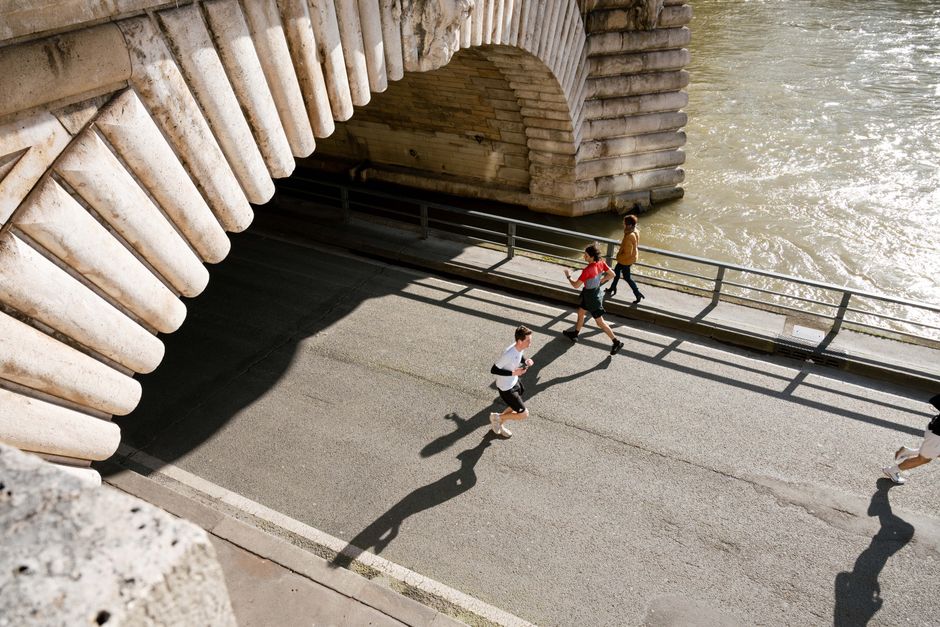
The Seine riverbanks remain the city's most popular running corridor, stretching over 100 kilometres with dedicated paths along the Left Bank toward Boulogne and the Right Bank toward La Villette. Yet research on riverside running shows humidity levels along water routes can be 15–20% higher than inland areas, particularly during Paris's summer months. Sports physiologists recommend starting earlier—ideally before 8 a.m.—to avoid peak heat and moisture accumulation. The Bois de Boulogne's 850-hectare network offers cooler, tree-shaded alternatives; its varied elevation actually strengthens stabiliser muscles better than flat asphalt, according to a 2023 study in the Journal of Sports Sciences.
Urban heat islands matter more than many runners realise. Streets like Boulevard Saint-Germain and Rue de Rivoli, lined with buildings and traffic, can be 3–5°C warmer than green spaces. Route planning through the Marais's narrow streets or the Tuileries gardens reduces thermal stress on your cardiovascular system—measurable through heart-rate variability data many runners track via standard apps.
Hydration strategy is critical. Unlike trail running in forests, urban running on Paris's sun-exposed stone surfaces creates rapid sweat loss. Experts recommend drinking 150–200ml every 15–20 minutes on routes without accessible fountains. Paris's 1,200+ public water fountains (fontaines Wallace) offer free access, but they're unevenly distributed; mapping your route around them beforehand prevents dehydration-related performance drops.
Surface choice influences injury risk significantly. The Tuileries' packed-earth paths reduce impact by roughly 40% compared to concrete, making them ideal for runners logging high weekly mileage. Conversely, regular runners who vary surfaces—mixing the Seine's asphalt with the Bois's trails—show better injury resilience than those who stick to one terrain.
Several running clubs offer local expertise worth tapping. Paris Running Tours and local jogging clubs organise group runs with built-in route optimisation and pacing guidance. The Paris Marathon organisers publish detailed hydration and safety maps annually, freely available online, that highlight real conditions on established routes.
Start conservatively with any new route. Your body needs 2–3 weeks to adapt to local conditions—humidity, gradient, and heat reflection combined. Monitor how you feel, not just pace. Paris's healthcare system offers subsidised sports medicine consultations; ask your GP for a referral if you experience persistent joint discomfort.
This article was compiled by AI and screened before publishing. See our editorial standards.
How does this story make you feel?
Spread the word
About this article
Published by The Daily Paris
Daily brief
Free, in your inbox before 7am. Weekdays.
More in Wellness