From Métro to Marathon: How Paris's Running Community is Rewriting Local Health Stories
Three neighbourhoods, three transformations—and one city discovering that the best fitness studio has always been its own streets.
Three neighbourhoods, three transformations—and one city discovering that the best fitness studio has always been its own streets.
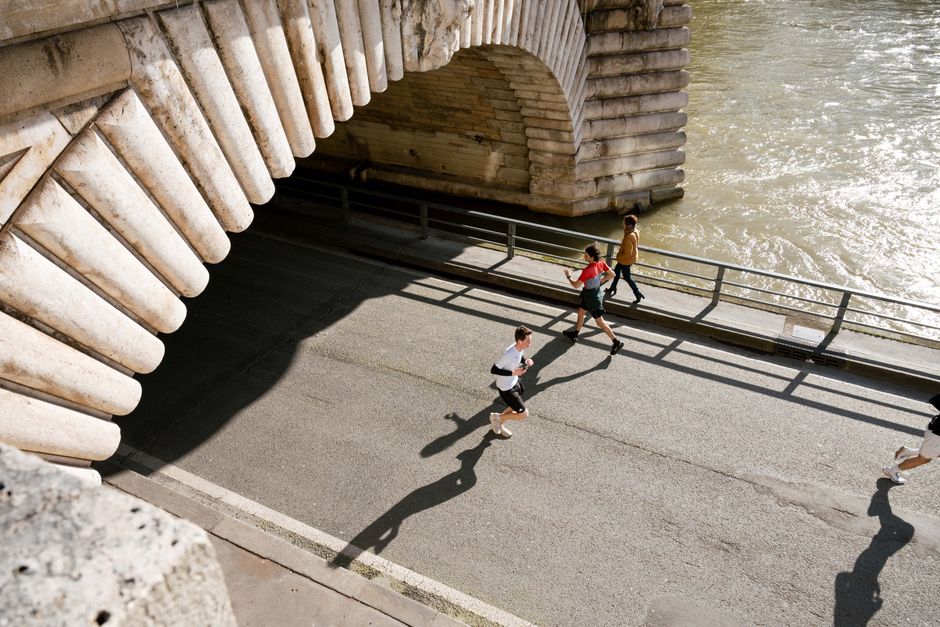
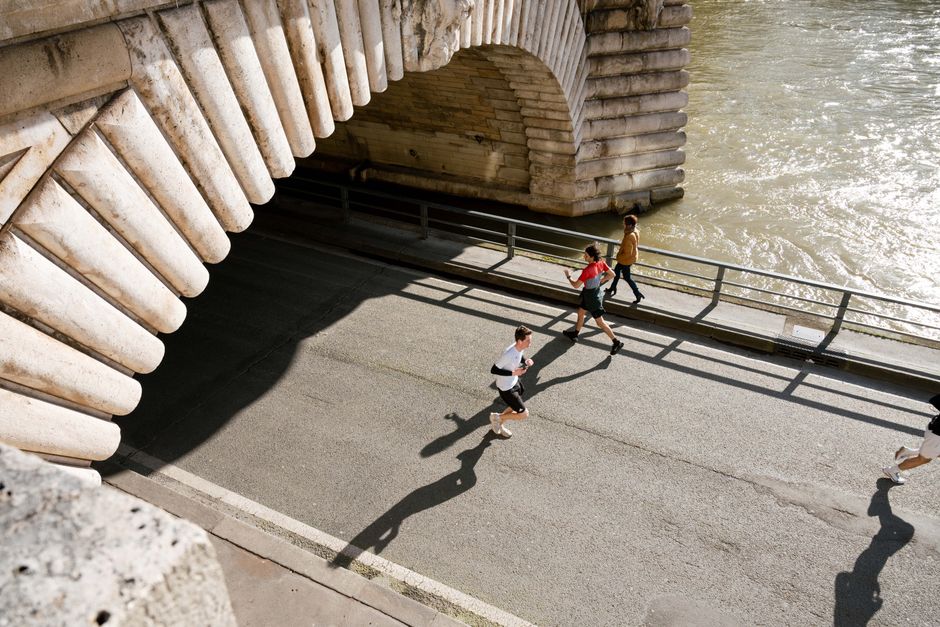
When Parisian running clubs began tracking membership data during the post-pandemic return to outdoor exercise, something unexpected emerged: the Seine's left-bank routes weren't just attracting serious athletes. They were becoming therapeutic destinations for people reclaiming their health after years of sedentary work, injury recovery, or simply feeling disconnected from their bodies.
The 10.5-kilometre Berges de Seine pathway—reopened fully in 2023 along the 4th and 5th arrondissements—now hosts regular community runs through organisations like Run in Paris, which offers free weekly sessions alongside paid coaching. Local runners report not just improved cardiovascular markers but transformed relationships with their neighbourhood. What began as fitness goals evolved into social anchoring, with participants citing reduced isolation and restored confidence.
Across the 16th arrondissement, the Bois de Boulogne's 846 hectares continue driving similar patterns. The park's three main circuits—ranging from 3 to 8 kilometres—attract runners of all levels, with cycling infrastructure that allows families to participate together. Community Facebook groups dedicated to the Bois's running routes have grown to over 8,000 members since 2023, sharing progress photos and encouraging newcomers hesitant about starting fitness routines after health setbacks.
Meanwhile, in the 10th arrondissement, Canal Saint-Martin's recently expanded towpath has become unexpected terrain for health transformation stories. The flatter, traffic-free 4.5-kilometre stretch offers accessible entry points for those returning to exercise after illness or injury—a demographic often overlooked in high-intensity fitness messaging. Local wellness coaches note that low-impact trails like this one address the joint-protection principle gaining traction in contemporary exercise science: shorter, consistent movement beats occasional intense sessions.
The broader pattern reflects Paris's structural advantages. Unlike cities dependent on commercial gyms, Paris residents access world-class running infrastructure through municipal investment and universal healthcare models that incentivise preventive fitness. A 2025 study from the Paris Sports Observatory found that 62% of regular outdoor runners reported improved mental health metrics within six months—outpacing equivalent gym cohorts.
These aren't transformation stories dependent on miracle programs or equipment. They're rooted in accessibility: free public routes, diverse terrain options, and communities of ordinary Parisians choosing to run together. From the Tuileries' gentle loops to the Île-de-la-Cité's waterfront access, the city's geography has quietly become its most democratic health intervention.
For anyone considering outdoor running in Paris, local physiotherapists recommend starting with the Seine routes for traffic-free navigation, building gradually through neighbourhood clubs before attempting longer Bois routes.
This article was compiled by AI from the sources linked above and screened before publishing. See our editorial standards.
How does this story make you feel?
Spread the word
About this article
Published by The Daily Paris
Daily brief
Free, in your inbox before 7am. Weekdays.
More in Wellness