Walk along the Canal Saint-Martin on any weekday morning and you'll spot them: office workers sitting on benches, eyes closed, breath steady. They're not meditating in the app-driven sense that's swept London and New York. They're simply pausing. It's a distinctly Parisian approach to mental wellness—one that reflects how the city's relationship with stress management diverges from the global mindfulness industrial complex.
Globally, the meditation app market has exploded to €2.4 billion annually, dominated by platforms promising productivity through guided breathing. Paris, however, has taken a different route. France's universal healthcare system covers psychiatric consultations and cognitive behavioural therapy at around €30–60 per session through Assurance Maladie, making clinical mental health support more accessible than premium wellness apps. The psychological health approach here remains rooted in talk therapy and clinical intervention rather than consumer wellness products.
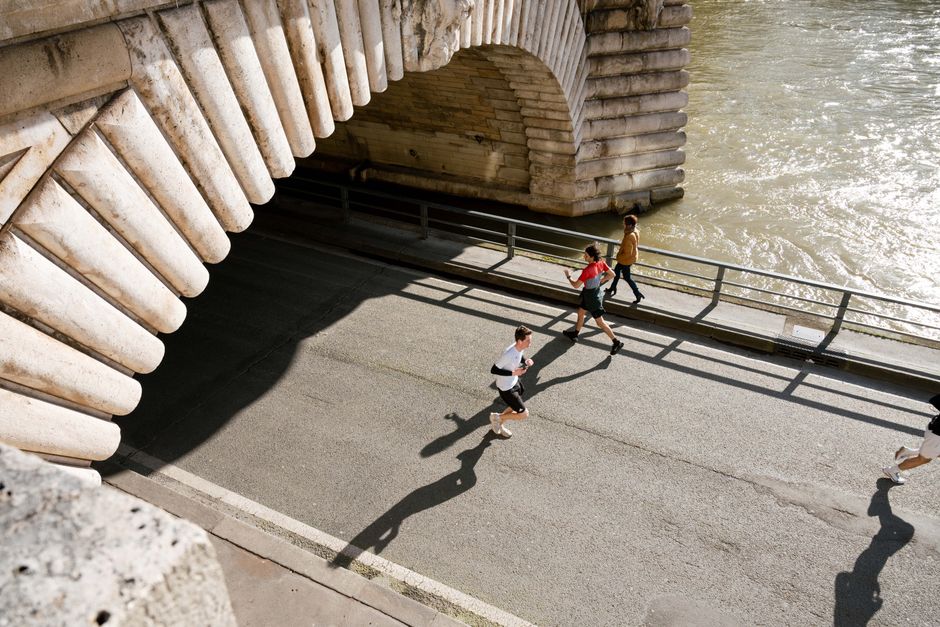
Yet Parisians aren't ignoring mindfulness entirely. Instead, they've woven it into existing urban rituals. The Tuileries Gardens hosts free weekly yoga sessions that attract locals seeking grounding rather than Instagram moments. Running clubs along the Seine riverbanks, particularly between Pont des Invalides and Pont de l'Alma, frame cardiovascular exercise as meditative practice—not performance tracking. Cycling through the Bois de Boulogne remains a stress-relief default, embedded in the city's culture since the 19th century, requiring no subscription or technological intermediary.
A 2025 French health ministry survey found that 47% of Parisians cite outdoor movement as their primary stress-management tool, versus 31% using meditation apps nationally. The city's 500+ kilometres of cycling infrastructure and 1,200 parks naturally facilitate this preference.
What's notable is the absence of wellness boutiques clustering in central arrondissements. Unlike London's Mayfair or New York's Upper East Side, Paris hasn't developed an elite mindfulness economy. Instead, municipal initiatives—like the Paris Mental Health Action Plan launched in 2023—emphasize accessible psychotherapy and community programs over luxury retreats or exclusive coaching.
This doesn't mean Paris rejects global wellness trends entirely. Yoga studios dot the Marais and Canal Saint-Martin neighbourhoods, and breathing app downloads have risen 23% since 2024. But adoption remains pragmatic: wellness is integrated into daily life rather than positioned as a separate lifestyle purchase.
For stressed Parisians, the message is clear: your stress management doesn't require an algorithm, a subscription, or validation through metrics. A bench in the 5th arrondissement, the Seine beneath your feet, or a conversation with a therapist covered by your healthcare plan—these remain the city's wellness anchors. That's perhaps Paris's most countercultural wellness statement of all.
This article was compiled by AI from the sources linked above and screened before publishing. See our editorial standards.