Screen Time and Sleep: What the Research Actually Shows
As Parisians swap evening scrolling for sounder rest, neuroscientists clarify which digital habits truly disrupt our nights—and which don't.
As Parisians swap evening scrolling for sounder rest, neuroscientists clarify which digital habits truly disrupt our nights—and which don't.
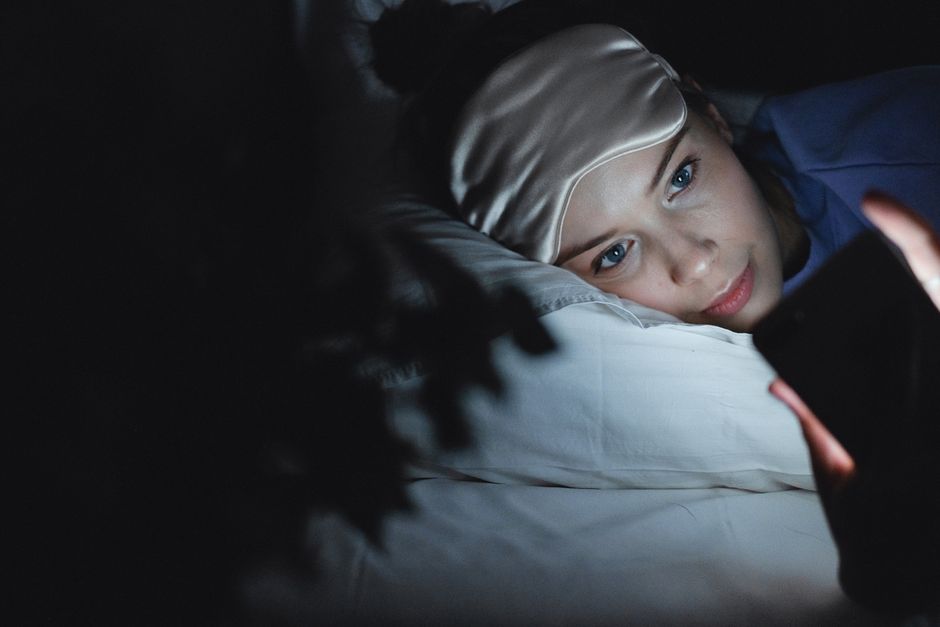
The advice seems universal: put your phone away an hour before bed. Yet the science behind this recommendation is far murkier than most wellness guides suggest. Recent research reveals a more nuanced picture—one that matters particularly for Parisians juggling demanding work schedules and urban stimulation.
The core concern centres on blue light's suppression of melatonin, the hormone that signals sleep time. Studies do confirm that certain wavelengths from screens can delay melatonin release by 30 to 60 minutes. But here's where the narrative fractures: the effect varies dramatically depending on screen brightness, distance, individual sensitivity, and—crucially—what you're actually watching.
A 2025 analysis published in Sleep Medicine Reviews found that passive scrolling through social feeds produced measurably worse sleep outcomes than video calls or reading on tablets. The cognitive engagement of conversation, it appears, matters more than the light itself. Equally surprising: blue-light filtering glasses showed minimal benefit in controlled trials, though they remain popular in Paris pharmacies from Bastille to the 16th arrondissement.
The real sleep disruptor? Content. Research consistently shows that stimulating, emotionally charged material—whether news feeds or work emails—activates the sympathetic nervous system, elevating cortisol and adrenaline regardless of screen type. A Parisian finishing a stressful email chain at 11 p.m. will sleep worse than one watching a familiar film, blue light notwithstanding.
So what does evidence-based practice look like? Rather than blanket phone bans, sleep specialists now recommend a contextual approach. Dimming screen brightness by 50 per cent (most phones offer this in settings) helps. More importantly: reserve the final 30 minutes before sleep for content that doesn't demand emotional labour—boring correspondence, gentle podcasts, or yes, even familiar television.
For those seeking deeper rest, Paris offers tangible alternatives. The Tuileries Gardens remain open until dusk, offering that valuable pre-sleep wind-down many Parisians use to transition from screen work. The Bibliothèque Forney in the Marais hosts evenings focused on pre-sleep reading rituals. Even a walk along the Canal Saint-Martin costs nothing and genuinely regulates sleep-wake cycles.
The takeaway: screen time itself isn't the enemy. Stress-inducing content consumed during your body's sleep-preparation window is. Adjust your habits accordingly, and you may find that a moderated, intentional relationship with devices improves sleep far more than complete avoidance ever could.
This article was compiled by AI and screened before publishing. See our editorial standards.
How does this story make you feel?
Spread the word
About this article
Published by The Daily Paris
Daily brief
Free, in your inbox before 7am. Weekdays.
More in Wellness