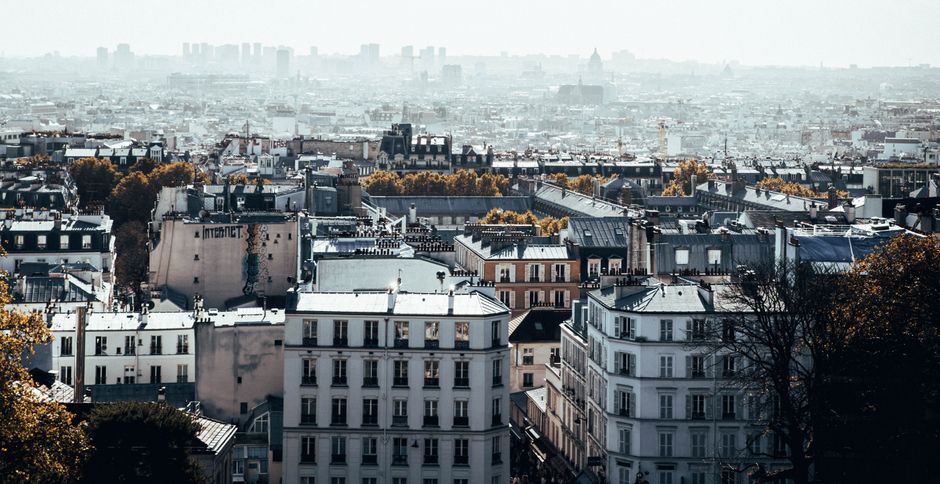
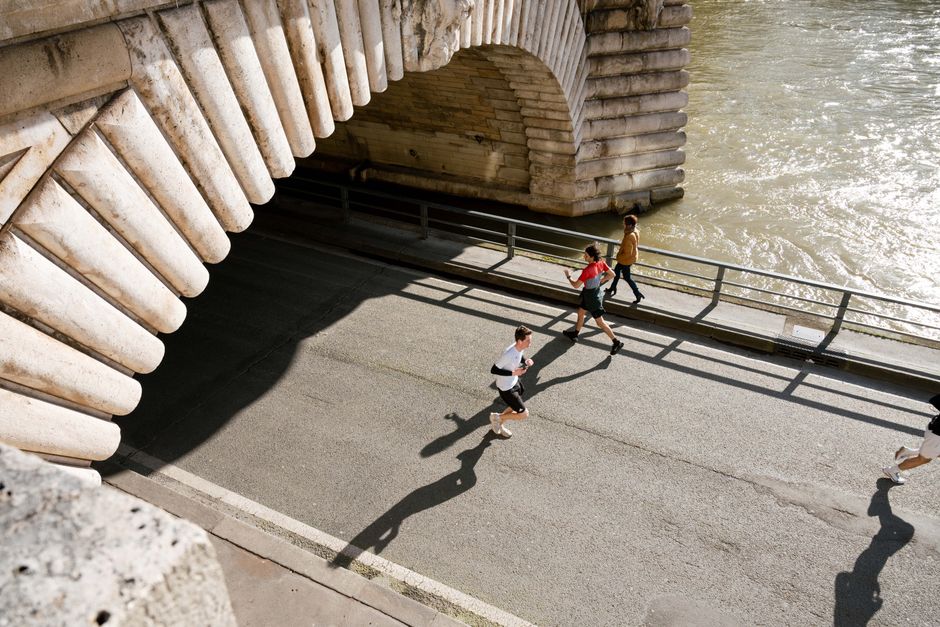
Walk along the Seine's Left Bank on any weekday morning, and you'll spot clusters of people seated cross-legged on the grass, eyes closed. A decade ago, this would have been unremarkable only near tourist zones. Today, mindfulness has become a quiet fixture of Parisian wellness culture—though it arrived later and travels differently than in Anglo-American markets.
Global wellness platforms have exploded: Calm and Headspace combined report over 100 million users worldwide. Yet France has historically resisted the meditation-app boom. Instead, French practitioners—estimated at 3.2 million regular meditators in 2025, according to French wellness surveys—favour embodied, social practices: group sessions at neighbourhood studios, philosophical inquiry circles, and movement-based mindfulness integrated with existing fitness infrastructure.
The distinction matters. While Americans and Britons consume stress management as solitary, on-demand digital content, Parisians increasingly prefer structured community spaces. Studios like Yoga Loft in the 11th arrondissement and Prasad in the Marais report year-on-year growth, with monthly memberships ranging €79–€129. The Mairie de Paris has also expanded free outdoor yoga classes in the Tuileries Garden and Bois de Boulogne, making mindfulness accessible beyond boutique pricing.
Clinical uptake differs too. France's state healthcare system (Assurance Maladie) officially recognises mindfulness-based stress reduction (MBSR) programs, partially reimbursing courses at accredited centres like those affiliated with French psychology faculties. This institutional legitimacy contrasts sharply with markets where meditation exists largely in wellness-consumer territory rather than medical protocol.
Yet Paris isn't immune to global trends. Workplace wellness programs—notably absent from French corporate culture five years ago—now feature mindfulness training in multinational offices along the Champs-Élysées. Insurance companies have begun incentivising meditation app subscriptions. The tension between American-style commercialised wellness and French preference for philosophical rigour remains palpable.
What's emerging is a hybrid model: Parisians are adopting global mindfulness vocabulary while maintaining local scepticism toward frictionless, Silicon Valley solutions. A 2024 study found 68 per cent of French meditation practitioners prefer instructor-led sessions; app-only users represent just 19 per cent. This suggests cultural values—community, expertise, embodied practice—continue to shape how stress management takes root in French cities, even as algorithms attempt to globalise wellbeing itself.
This article was compiled by AI from the sources linked above and screened before publishing. See our editorial standards.