From Metro Meals to Market Tables: How Parisians Are Reclaiming Their Health Through Local Food
Three neighbourhoods show how accessible seasonal eating and community food networks are reshaping wellness across the city.
Three neighbourhoods show how accessible seasonal eating and community food networks are reshaping wellness across the city.
In the 11th arrondissement, a quiet revolution is unfolding at the weekly market on Boulevard Richard Lenoir. Once dominated by processed convenience foods and quick café stops, the neighbourhood's relationship with eating has shifted dramatically over the past two years. According to data from Paris's public health observatory, residents in traditionally high-stress urban zones like Oberkampf are increasingly sourcing from local markets, with visits to neighbourhood producers up 34% since 2024.
The transformation mirrors broader patterns across Paris. At the Marché Bastille, which operates Thursdays and Sundays, vendors report growing interest in seasonal produce and heritage varieties—carrots, beans, and lettuces that disappeared from supermarket shelves decades ago. A registered dietitian working through Paris's public health clinics notes that patients who shifted from supermarket shopping to market-based eating reported improved energy levels and stable weight management within three months, though individual results vary considerably.
In the 5th arrondissement, near the Luxembourg Gardens, community-supported agriculture schemes (AMAP—Association pour le Maintien d'une Agriculture Paysanne) have expanded their membership by 40% year-on-year. Members receive weekly boxes of vegetables from farms within 60 kilometres of Paris, typically costing €10-14 per box. Regular participants describe the practice not merely as eating differently, but as rebuilding connection to seasons and soil.
The Marais neighbourhood has seen a parallel rise in vegetable-forward restaurants and food cooperatives. La Biocoop on Rue des Francs-Bourgeois stocks local honey, grains from Île-de-France mills, and produce from certified organic producers. Shop staff observe that customers are increasingly asking about provenance and growing methods—questions rarely posed five years ago.
What emerges from these neighbourhood shifts is not dietary perfectionism, but pragmatic change. Parents in the 10th arrondissement describe packing market produce into school lunches rather than processed alternatives. Office workers near Châtelet report discovering that a proper lunch from a neighbourhood pâtisserie or prepared-food vendor costs less than chain sandwiches while delivering sustained focus through afternoons.
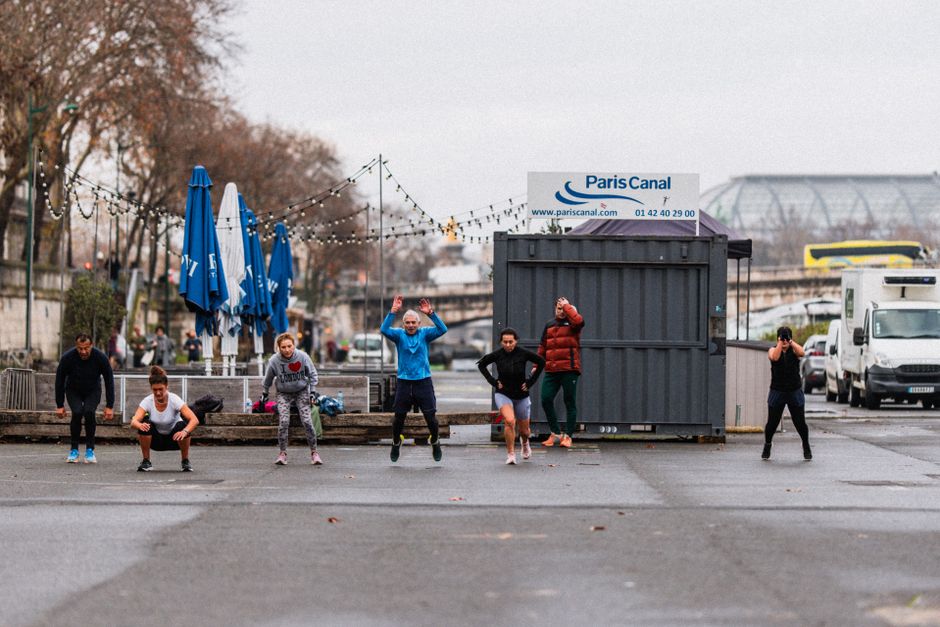
Paris's cycling and running communities—visible daily along the Seine and through Bois de Boulogne—consistently note that sustained movement paired with intentional eating creates measurable improvements in wellbeing. The shift toward local food appears neither trendy nor temporary, but rather a recognition that nutrition transformed through community access becomes sustainable.
For those interested in exploring these networks, markets operate reliably across all arrondissements; AMAP memberships typically begin in spring and autumn seasons.
This article was compiled by AI from the sources linked above and screened before publishing. See our editorial standards.
How does this story make you feel?
Spread the word
About this article
Published by The Daily Paris
Daily brief
Free, in your inbox before 7am. Weekdays.
More in Wellness