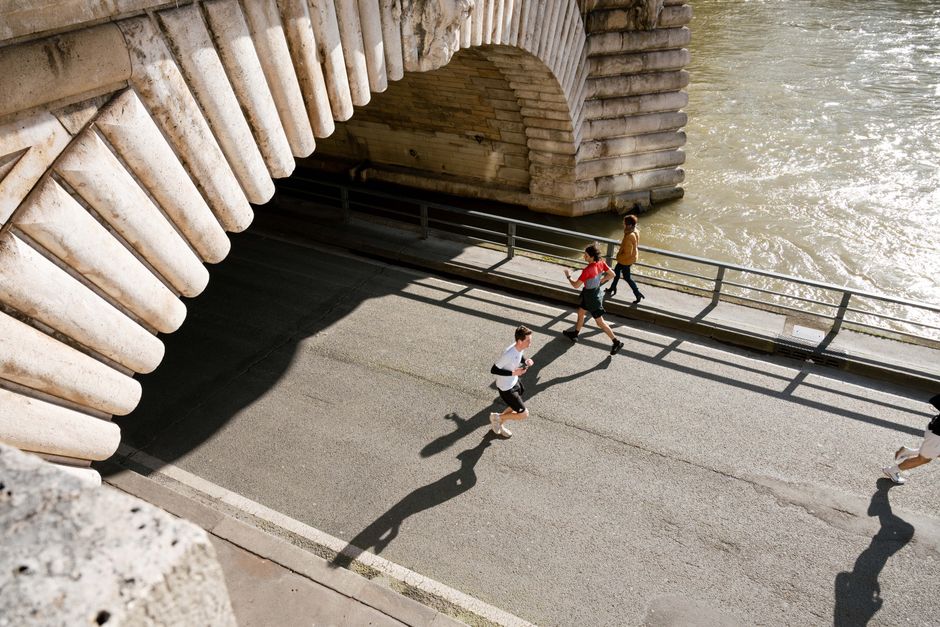
Walk along the Seine's left bank on any given morning, and you'll spot a phenomenon that would have seemed unlikely a decade ago: groups of Parisians in their sixties, seventies, and beyond moving with purpose and intention. They're not speed-walking past monuments—they're stopping to stretch, comparing notes on joint care, and planning their next outing with the same enthusiasm younger generations reserve for marathon training.
This shift reflects a broader reimagining of what active ageing looks like in Paris. The city's robust public healthcare system, combined with its existing infrastructure for walking and cycling, has created fertile ground for a wellness movement centred on mobility rather than intensity. The Île de France regional authority reported last year that over 38 per cent of residents aged 60+ now engage in regular physical activity—a figure that has climbed steadily since 2020.
The Bois de Boulogne has become an unexpected epicentre. Dedicated cycling paths with gentler gradients now weave through the park, with rental points specifically marking routes suitable for riders managing arthritis or balance concerns. Meanwhile, the Tuileries Garden hosts three times-weekly outdoor sessions—not high-intensity bootcamps, but progressive mobility classes that emphasise joint protection and functional movement.
Neighbourhood-level initiatives tell a similar story. In the 5th arrondissement, the Rue Mouffetard area has seen the emergence of walking groups that combine social connection with gentle cardiovascular work, following the Seine's accessible banks. Paris's cycling infrastructure, already extensive, is being reframed through this lens: slower routes, wider paths, and rest points aren't new additions—they're simply being recognised as tools for sustained mobility across all ages.
The appeal runs deeper than fitness. French universal healthcare covers physiotherapy and preventative wellness programmes, removing financial barriers that exist elsewhere. At €45–75 per session, adapted mobility classes remain accessible. Local organisations like those operating from community centres across arrondissements have seen waiting lists grow, reflecting genuine demand rather than trend-chasing.
Perhaps most tellingly, this movement isn't marketed as 'anti-ageing' or 'defying your years'—the language of rejuvenation that dominates wellness elsewhere. Instead, Paris frames it as sustaining what matters: independence, exploration, and the simple pleasure of moving through a city designed for pedestrians and cyclists. For seniors navigating the capital's cobblestones and bridges, that's a conversation worth having.
This article was compiled by AI and screened before publishing. See our editorial standards.