Paris in summer presents a peculiar nutritional challenge: intense heat, outdoor activity, and the temptation of café culture. But emerging research suggests that simple, locally-informed strategies outperform complicated diets. We asked nutrition researchers what evidence actually supports for Parisians navigating June through September.
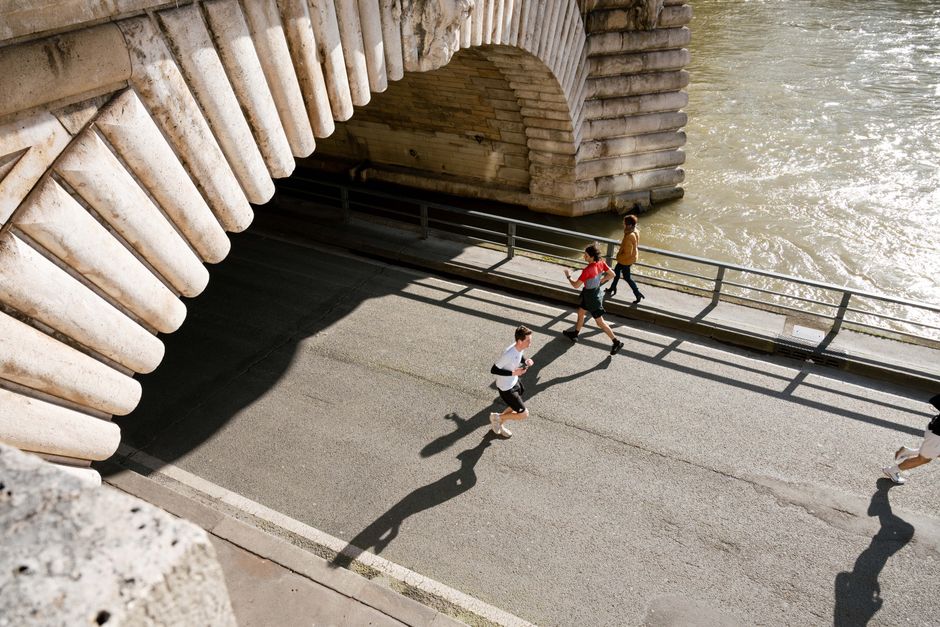
Shop seasonally—and early. The Marché Bastille (Thursday and Sunday mornings) and Marché Raspail (Tuesday, Friday, Sunday) offer produce picked at peak ripeness, which means maximum micronutrient density. A 2024 study in the Journal of Agricultural and Food Chemistry found that seasonal fruits contain up to 40 per cent more polyphenols than out-of-season imports. Arrive by 9am: vendors report stock deteriorates as temperatures climb. Early shopping also avoids the midday heat—practical for those running along the Seine or cycling through the Bois de Boulogne.
Hydration goes beyond water. The Île-de-France region experiences increasingly intense heat; June 2025 averaged 26°C. Plain water is essential, but evidence supports adding electrolytes through food: tomatoes (abundant at Paris markets now), leafy greens, and berries contain potassium and magnesium. One INSERM study found that Parisians who consumed potassium-rich produce alongside water recovered faster from heat-induced fatigue than those drinking water alone. A 250g serving of ripe French strawberries costs €3–4 at neighbourhood markets and provides 30mg of vitamin C plus stabilising minerals.
Embrace Mediterranean patterns—locally. The Mediterranean diet correlates with longevity across dozens of studies. Paris's access to Mediterranean ingredients—olive oil from Provence (Rue Mouffetard has excellent stockists), sardines, and seasonal vegetables—makes this evidence-based approach genuinely accessible. Unlike restrictive regimens, this pattern integrates naturally with Parisian café culture: an espresso with a croissant isn't incompatible with overall nutritional health if the week's broader pattern emphasises vegetables, legumes, and whole grains.
Plan for predictable fatigue. Research in Nutrients (2023) found that urban cyclists and runners in hot climates benefit from carbohydrate-rich snacks 90 minutes pre-activity. For Seine-side joggers or those cycling to work via the Bois, a banana (€0.50) or two rice cakes with almond butter offer practical, evidence-backed fuel that doesn't require expensive supplements.
The pattern emerging from current nutrition science is reassuring: Paris's markets, cycling infrastructure, and existing food culture already align with what works physiologically. The evidence-based advantage isn't exotic—it's consistent, seasonal, and local.
This article was compiled by AI and screened before publishing. See our editorial standards.