The Rise of Outdoor Boot Camps: What to Expect
As Paris embraces high-intensity group fitness in its parks and public spaces, we explore why boot camps are becoming the city's most popular way to exercise.
As Paris embraces high-intensity group fitness in its parks and public spaces, we explore why boot camps are becoming the city's most popular way to exercise.
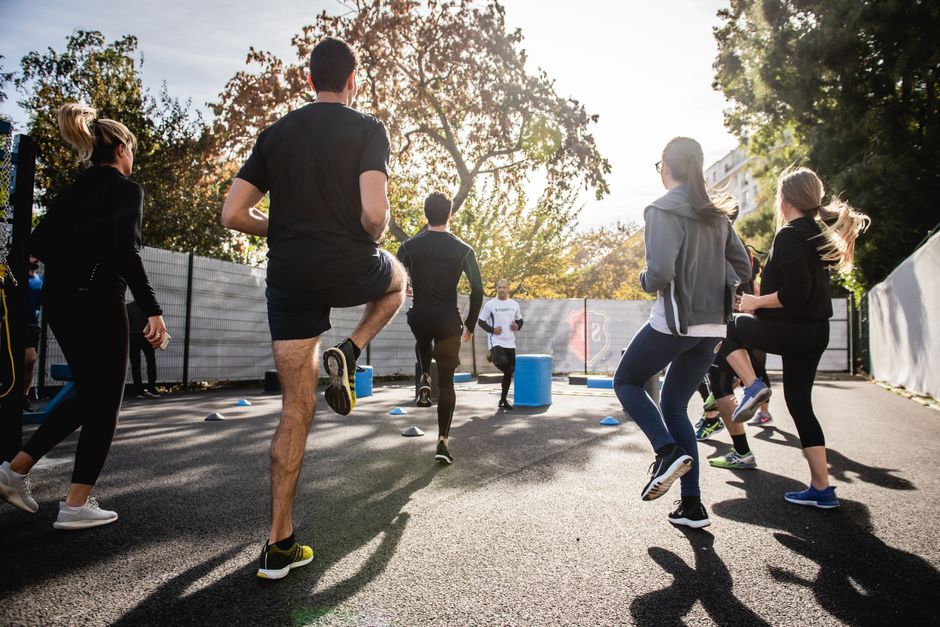
Walk past the Tuileries Garden on a Tuesday morning or along the Canal Saint-Martin on a Saturday afternoon, and you'll spot them: clusters of Parisians in athletic wear, moving through burpees, sprints, and resistance drills under the guidance of a trainer. Outdoor boot camps—once niche fitness pursuits—have become woven into the fabric of Paris's wellness culture, transforming public spaces into accessible gyms for hundreds of residents weekly.
The trend reflects a broader shift in how Parisians approach fitness. Unlike the 1990s gym membership model, today's exercisers increasingly favour community-based, outdoor alternatives. Data from local fitness platforms suggests boot camp attendance across the city has grown by approximately 35 per cent over the past two years, with sessions ranging from €10 to €25 per class. The appeal lies partly in democratisation: no joining fees, no contracts, no intimidating mirrors.
What should newcomers expect? Most Paris-based boot camps—whether operating from the Bois de Boulogne's cycling paths or the grassy expanses near Pont des Arts—blend cardiovascular bursts with bodyweight strength training and flexibility work. Sessions typically last 45 to 60 minutes and accommodate mixed fitness levels, though instructors often offer modifications rather than alternatives. The formula proves remarkably forgiving: beginners can participate alongside regular attendees, scaling intensity to their own capacity.
Popular venues include the open spaces surrounding Parc de la Tête d'Or extensions and the riverside fitness zones along the Seine near Île Saint-Louis, where the city's universal healthcare framework has helped subsidise community wellness initiatives. Several neighbourhood associations now sponsor evening sessions in residential areas, acknowledging how outdoor fitness reduces reliance on costly gym infrastructure.
Timing matters. Early morning groups (6:30–7:30 am) tend toward professionals building pre-work routines, whilst evening and weekend classes draw families and shift workers. Summer boot camps often incorporate natural obstacles—park benches, tree branches, inclines—leveraging Paris's architectural landscape as functional fitness equipment.
The social dimension cannot be overstated. Participants frequently report that the group dynamic sustains commitment far more effectively than solo training. Regular attendees form genuine friendships, transforming boot camp from transactional exercise into community practice.
Before joining, verify that instructors hold appropriate certifications and that sessions align with your fitness baseline. Paris's public health system offers initial consultations—a wise precaution for anyone returning to structured exercise after prolonged inactivity. Most established boot camp operators welcome trial sessions, allowing prospective members to assess intensity and teaching style without financial commitment.
For Parisians seeking fitness that combines accessibility, community, and the simple pleasure of exercising outdoors beneath French skies, boot camps offer compelling logic.
This article was compiled by AI and screened before publishing. See our editorial standards.
How does this story make you feel?
Spread the word
About this article
Published by The Daily Paris
Daily brief
Free, in your inbox before 7am. Weekdays.
More in Wellness