Paris Traffic AI Startup UrbanFlow Gets €22M Funding
UrbanFlow's AI predicts Paris congestion 45 minutes ahead, covering 340 intersections across the city's 20 arrondissements with €22 million in new Series B funding.
UrbanFlow's AI predicts Paris congestion 45 minutes ahead, covering 340 intersections across the city's 20 arrondissements with €22 million in new Series B funding.
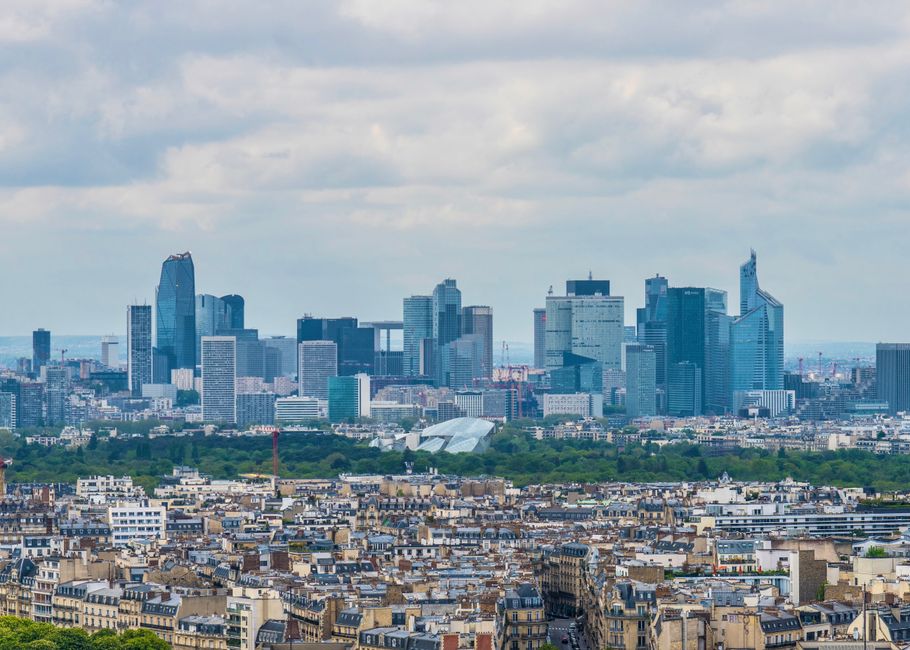
Walk past the gleaming office buildings near Gare de Lyon and you'd never know that one of Europe's most consequential smart city platforms is being built just blocks away. UrbanFlow, a three-year-old startup operating from a nondescript tech hub in the 12th arrondissement, has just secured €22 million in Series B funding to expand its AI-driven traffic management system across the Île-de-France region.
The company's core innovation sounds deceptively simple: predictive analytics that anticipate congestion patterns 45 minutes in advance, allowing Paris's transport authority to dynamically adjust traffic light timing, reroute buses, and alert drivers before gridlock materialises. Current deployment covers 340 intersections from Bastille to Bois de Vincennes, with plans to reach 800 by year-end.
What distinguishes UrbanFlow from dozens of other mobility startups is its hyper-local approach. Rather than relying solely on aggregate smartphone data—the approach Google and Apple use for their traffic layers—the platform integrates feeds from 2,100 sensors embedded in Parisian streets, real-time RATP metro data, and weather patterns. The result is specificity: officials can predict that congestion on Boulevard Saint-Germain will peak at 8:47 AM on a given Tuesday, not merely that "rush hour happens."
"The city was bleeding €8 billion annually in lost productivity from congestion," says the company's website, citing 2024 IDFM research. For context, that's roughly equivalent to Paris's entire annual budget for parks and recreation. The potential savings have caught the attention of Brussels and Amsterdam, both piloting UrbanFlow's technology.
The startup's ascent reflects a broader shift in how European cities approach digital transformation. Rather than importing Silicon Valley solutions wholesale, municipalities increasingly favour companies that understand local governance, labour regulations, and spatial quirks. UrbanFlow's advantage lies partly in its founders' deep connections to Île-de-France's transport ecosystem and their willingness to navigate France's notoriously Byzantine procurement processes.
The challenge ahead is considerable. Cities globally have tried and failed at similar projects—the complexity of integrating legacy systems with new platforms has derailed comparable initiatives in Barcelona and Copenhagen. UrbanFlow's recent funding suggests investors believe the team has cracked that puzzle, but implementation will determine whether Paris becomes a model or a cautionary tale.
For commuters currently grinding through traffic near Châtelet-Les Halles, the practical difference may arrive within months. That's when the expanded network goes live, potentially shaving 12-18 minutes off average journey times during peak hours—a modest victory that could reshape how mayors worldwide think about digital infrastructure.
This article was compiled by AI from the sources linked above and screened before publishing. See our editorial standards.
How does this story make you feel?
Spread the word
About this article
Published by The Daily Paris
Daily brief
Free, in your inbox before 7am. Weekdays.
More in tech