Technology
AI Startups Paris: The European Model Taking Shape
Discover how Paris AI startups are building a distinctly European approach to artificial intelligence, blending innovation with EU regulatory frameworks and data protection standards.
How we reported this
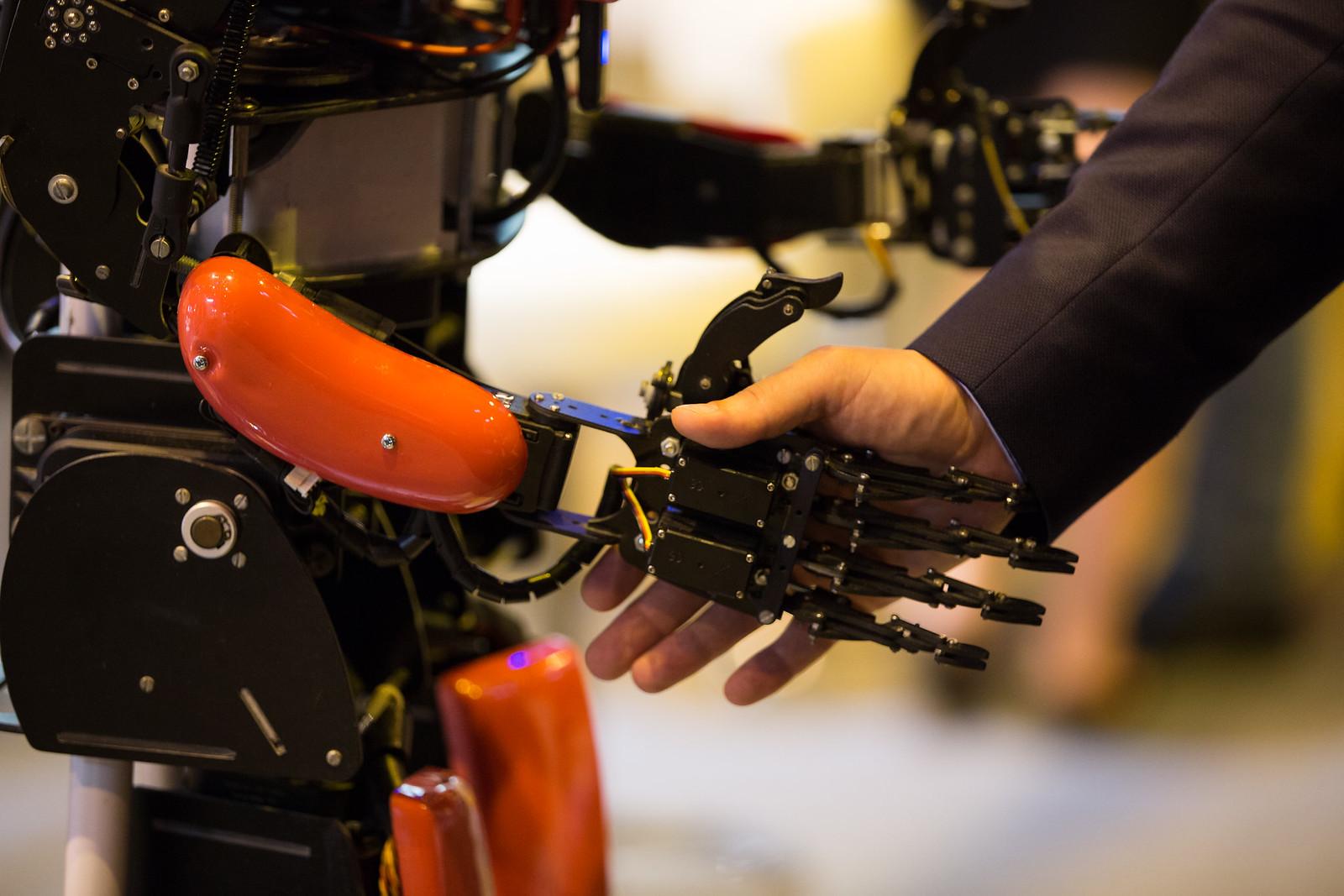
Walk through the Marais district on any weekday afternoon, and you'll find the cafés around Place des Vosges packed with entrepreneurs hunched over laptops, pitching AI solutions to investors. But what's unfolding in Paris's historic tech quarter isn't a replica of the American venture model-it's something deliberately, defiantly different.
The distinction lies in Paris's refusal to separate innovation from responsibility. While American tech founders optimize for growth-at-all-costs, the city's AI ecosystem-anchored by clusters in the 11th and 3rd arrondissements-has become synonymous with "trustworthy AI." This isn't marketing speak. It's baked into how local startups operate, influenced by France's stringent data protection culture and the EU's AI Act enforcement mechanisms that landed here first.
Consider the economics. Paris hosts over 1,200 AI-focused companies, with more than 40 percent focused on enterprise applications and regulatory compliance-sectors where European businesses willingly pay premium prices for legal certainty. Compare that to Silicon Valley's ratio, where consumer-facing, move-fast-and-break-things startups dominate. Paris startups raised €800 million in AI funding last year, modest by San Francisco standards, but yielding sustainable, profitable businesses rather than venture-dependent unicorns.
The Station F complex near the Bibliothèque François Mitterrand has become emblematic of this approach. Housing 1,000 startups across 34,000 square meters, it functions less as an acceleration factory and more as a collaborative ecosystem where compliance officers sit alongside engineers. French Tech hubs in the Latin Quarter emphasize partnership with established institutions-Sorbonne researchers, LVMH's innovation labs, government agencies-creating what founders call "patient capital" dynamics.
This has tangible implications for businesses. A Paris-based AI firm developing healthcare diagnostics can scale across EU markets with a single regulatory approval, whereas American competitors face fractured state-by-state compliance. That's reshaping international competition silently but fundamentally.
The city's appeal to global talent has also shifted. While Paris still loses some engineers to higher American salaries, it's increasingly attracting mission-driven technologists interested in building AI systems with explicit ethical guardrails. Rent around Rue de Turenne hovers around €25 per square meter annually-half Silicon Valley rates-making the financial trade-off easier.
Yet challenges persist. French labor regulations, while protective, make hiring and firing slower than competitors need. Brain drain remains real. The city's bureaucracy, even streamlined, moves at continental speed.
Still, as geopolitical tensions push Europe toward technological sovereignty, Paris isn't just building startups-it's architecting an alternative model for how AI transforms local economies. That's the genuine competitive advantage no amount of venture capital can replicate.