Remote Work Paris: How Coworking Is Reshaping Daily Life
Paris's commute is shrinking as remote work infrastructure expands. Discover how coworking spaces across the 5th, 11th, 13th and 15th arrondissements are rewiring where Parisians work.
Paris's commute is shrinking as remote work infrastructure expands. Discover how coworking spaces across the 5th, 11th, 13th and 15th arrondissements are rewiring where Parisians work.
The 8:15 RER B train from Bourg-la-Reine used to carry thousands of office workers northward each morning. Today, conductors report 23% fewer passengers during peak hours compared to 2019, a shift driven not by economic collapse but by a quiet revolution in how Parisians work.
Remote work infrastructure has matured rapidly across the city. The coworking sector in Paris has evolved beyond trendy startups in the Marais; it's becoming everyday infrastructure. Major operators now maintain spaces across the 5th, 11th, 13th and 15th arrondissements, with monthly memberships ranging from €250 for hot-desking to €800 for dedicated desk access. What's remarkable isn't the facilities themselves, but their effect on daily life.
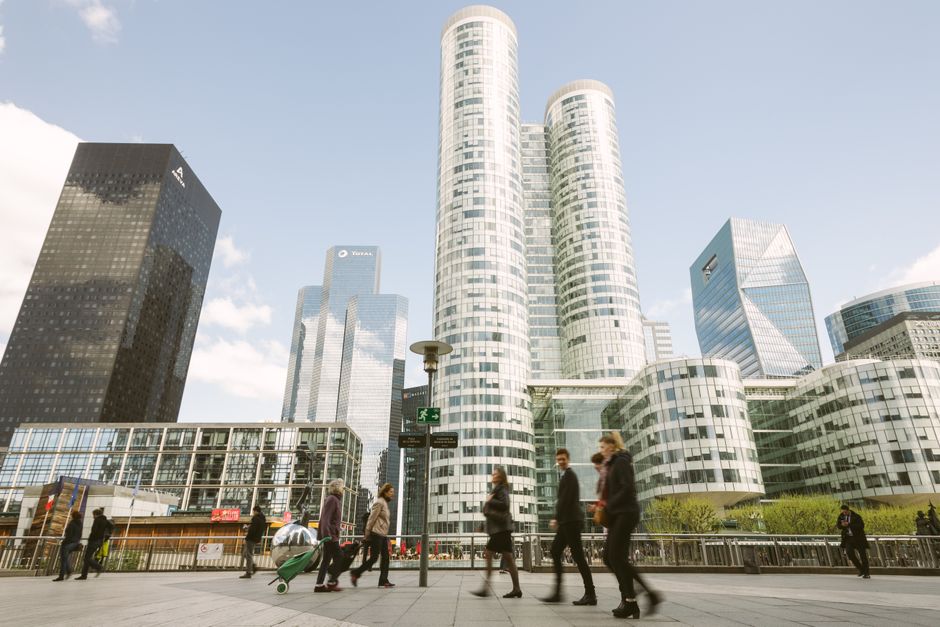
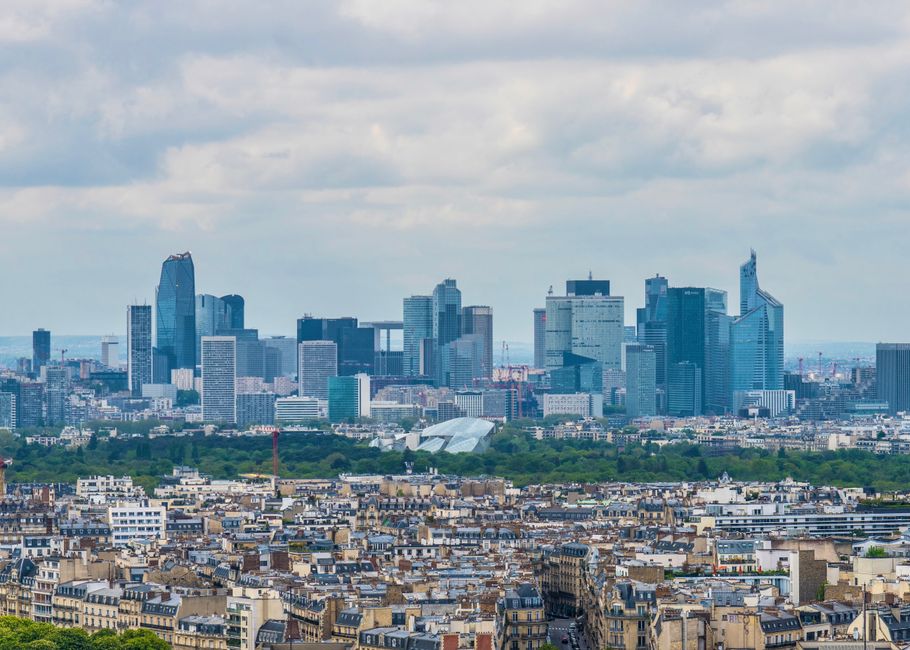
In the Canal Saint-Martin neighbourhood, café owner Margot Fontaine noticed her daytime customer base doubled between 2024 and 2025. "Remote workers come in at 9 a.m., order coffee, sit for hours with their laptops," she explained. "Before, the café was quiet until lunch." This pattern replicates across Paris's residential quarters, where independent workers and hybrid employees are choosing neighbourhood spaces over corporate towers on La Défense.
The impact extends beyond cafés. Real estate agents report growing demand for apartments with dedicated home offices in family-friendly districts like Batignolles and Belleville—areas previously considered less desirable by central-office workers. Rent premiums for properties with suitable workspace have increased 12-15% year-over-year, fundamentally reshaping housing markets in outer arrondissements.
Public services have adapted accordingly. The SNCF reduced off-peak train frequencies after sustained ridership declines, redirecting resources toward weekend and evening services. Schools in the 6th and 7th have reported increased requests for after-school care, as parents no longer depend on fixed office schedules.
Yet not everything has improved uniformly. The Île-de-France Chamber of Commerce warned that transit-dependent sectors—sandwich shops near Châtelet, dry cleaners near business districts—have struggled with reduced foot traffic. Meanwhile, electricity consumption in apartment buildings has risen as home offices become standard, straining neighbourhood infrastructure in older districts.
What emerges is a city remapping itself around flexibility. Technology hasn't eliminated work; it's distributed it. Parisians still work intensely, but increasingly from where they choose. The question now isn't whether remote work will persist, but whether the city's infrastructure—from transport to housing to local services—can adapt quickly enough to these shifting rhythms of daily life.
This article was compiled by AI from the sources linked above and screened before publishing. See our editorial standards.
How does this story make you feel?
Spread the word
About this article
Published by The Daily Paris
Daily brief
Free, in your inbox before 7am. Weekdays.
More in tech