Paris's Green Energy Boom Masks Labour Tensions and Supply-Chain Shadows
As the capital races to meet EU climate targets, workers and ethicists warn that the clean tech revolution comes with hidden costs.
As the capital races to meet EU climate targets, workers and ethicists warn that the clean tech revolution comes with hidden costs.
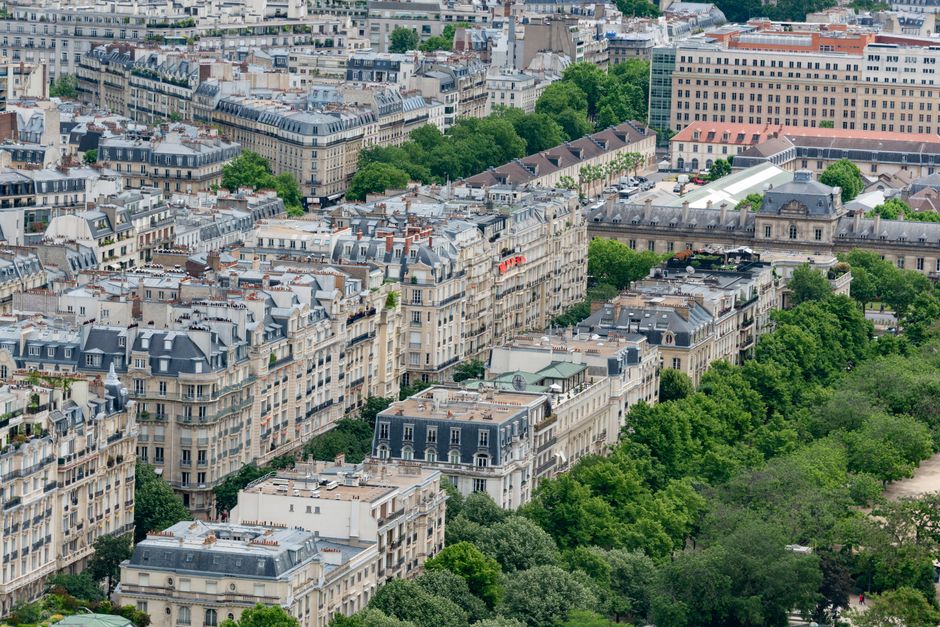
Walk past the gleaming solar installations crowning the rooftops of the Marais, or through the electric-bus depot in Vitry-sur-Seine, and Paris appears to be leading Europe's green transition with confidence. Yet beneath the headline figures—the city aims to reduce carbon emissions by 55 per cent by 2030—lies a more complicated reality that venture capitalists and municipal planners would prefer to leave unexamined.
Last month, a report by the Paris-based think tank Institute for Sustainable Development and International Relations (IDDRI) found that France's rapid scaling of lithium extraction in partnership with African nations has created working conditions in mines that fall far short of domestic labour standards. The irony is sharp: batteries powering electric vehicles subsidised by Parisian drivers depend on supply chains that activist groups describe as exploitative.
"Nobody wants to talk about it," says a spokesperson for Solidarité Énergie, a local workers' advocacy group based in the 13th arrondissement. "We celebrate the new metro lines, but we don't discuss who paid for them."
The tension extends to Paris itself. The city's retrofitting programme, which aims to upgrade 200,000 apartments by 2030 to meet thermal standards, has already displaced lower-income residents in neighbourhoods like Belleville. Gentrification follows the green economy's logic: improved buildings attract wealthier tenants, rents spike, and communities scatter.
Meanwhile, start-ups clustered around Station F in the 13th are racing to commercialise carbon capture technology, garnering millions in venture funding. Yet independent researchers at CNRS question whether these technologies deliver genuine climate benefit or simply provide wealthy nations a moral licence to continue high-carbon lifestyles. The technology remains energy-intensive and unproven at scale.
France's push for nuclear power—touted as clean energy—has sidelined conversations about waste storage and decommissioning costs bequeathed to future generations. Similarly, the Seine's proposed thermal remediation through floating solar gardens raises ecological questions about river ecosystems that environmental groups continue to raise, often without mainstream coverage.
The disconnect matters. Paris cannot claim climate leadership while outsourcing labour exploitation, accelerating gentrification, or deploying unproven technologies as solutions. A genuinely sustainable transition would demand transparency about supply chains, protections for vulnerable communities, and honest assessment of what technologies can and cannot achieve.
The green future Paris is building is real. So are the trade-offs it imposes on others.
This article was compiled by AI from the sources linked above and screened before publishing. See our editorial standards.
How does this story make you feel?
Spread the word
About this article
Published by The Daily Paris
Daily brief
Free, in your inbox before 7am. Weekdays.
More in tech