WeSpace: The Paris Startup Reshaping How Europe Works Remote
A new managed workspace platform is quietly becoming the continent's answer to distributed teams—and it's launching across the Marais this month.
A new managed workspace platform is quietly becoming the continent's answer to distributed teams—and it's launching across the Marais this month.
Three years ago, when Parisian entrepreneur Sophie Lefevre watched her tech team scatter across four countries during the pandemic, she noticed something obvious that nobody was solving: companies needed more than just Zoom licenses and occasional office access. They needed intelligent, flexible workspaces that understood their rhythm.
That observation became WeSpace, a managed coworking network that launched its eighth European location on Rue des Francs-Bourgeois in the Marais last week. Unlike traditional providers, WeSpace combines AI-driven workspace booking, integrated team analytics, and curated local community programming—essentially treating distributed work as a design problem rather than a logistical necessity.
The Paris flagship occupies a renovated 19th-century building with exposed stone walls and a rooftop garden overlooking Place des Vosges. Monthly membership starts at €349 for hot desking, €749 for dedicated desks. But the real differentiator isn't the aesthetics—it's the software layer. Teams using WeSpace get real-time occupancy intelligence, automatic booking across their network of hubs, and integrated invoicing that handles hybrid schedules across multiple countries' tax regimes.
Early adoption metrics suggest momentum. Since launching in Berlin and Amsterdam last year, WeSpace has onboarded 850 companies, with an average contract value exceeding €2,400 monthly. Paris's tech corridor—from Station F in the 13th arrondissement to the emerging startup clusters in Belleville and République—represents the company's highest-growth target market. The Marais location already has 120 founding members, with a waiting list of 40 more.
What makes this relevant now isn't just the workspace itself. Across Europe, remote work is stabilizing into a permanent hybrid model. According to June data from the European Tech Skills Coalition, 67 percent of tech companies have abandoned full-office mandates entirely. Yet most remain stuck with 1990s-style expense management and booking chaos.
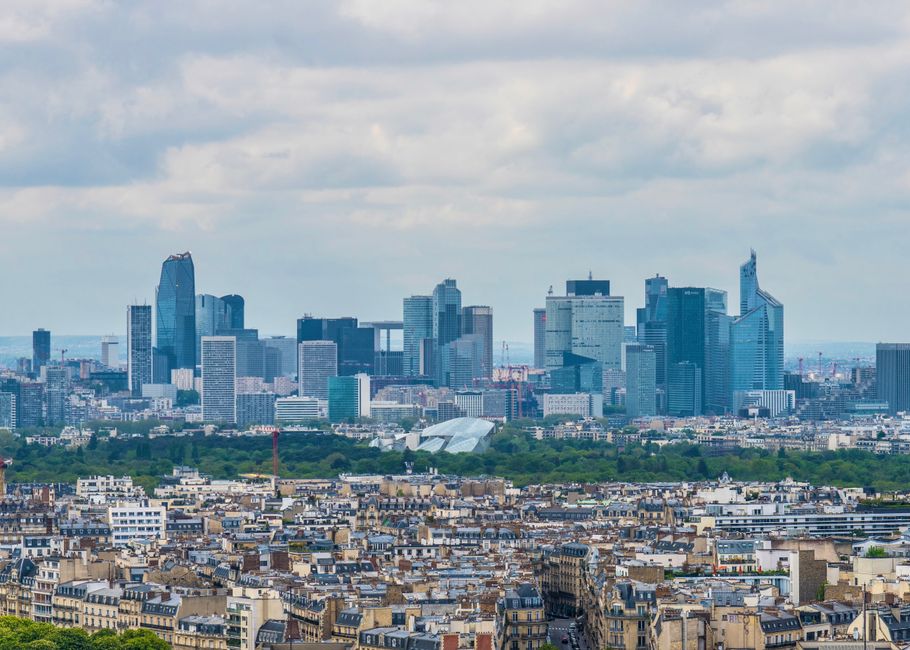
WeSpace's timing also reflects a broader Paris tech shift. City officials have invested heavily in positioning Paris as Europe's distributed work capital, competing directly with Lisbon and Barcelona. The Marais location is part of a deliberately clustered rollout—three more Paris locations are planned for the Île Saint-Louis, the Latin Quarter, and La Défense by year-end.
Whether WeSpace can scale beyond 15 cities remains uncertain. Traditional coworking giants like Spaces and The Wing have stumbled in recent years. But in a fragmented, permanently remote Europe, the company betting that work needs intelligent orchestration—not just desks—might be onto something worth watching.
This article was compiled by AI from the sources linked above and screened before publishing. See our editorial standards.
How does this story make you feel?
Spread the word
About this article
Published by The Daily Paris
Daily brief
Free, in your inbox before 7am. Weekdays.
More in tech