Why Paris Has Become Europe's Unlikely Fintech Capital
A potent mix of regulatory pragmatism, old-money acceptance of disruption, and a neighbourhood effect around the Marais has made France's capital a genuine alternative to London and Berlin.
A potent mix of regulatory pragmatism, old-money acceptance of disruption, and a neighbourhood effect around the Marais has made France's capital a genuine alternative to London and Berlin.
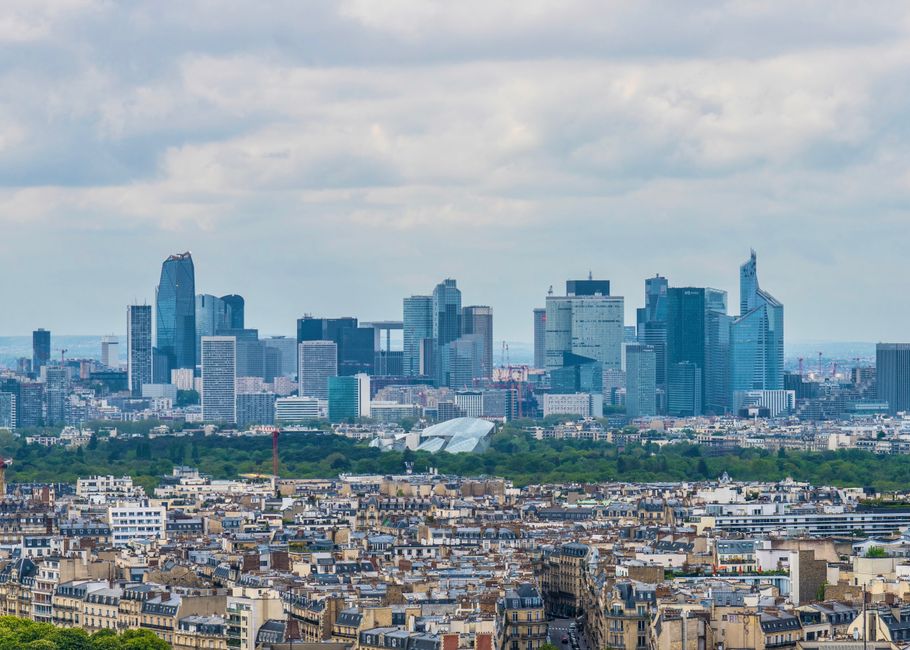
Walk into the glass-fronted offices above the cafés of Rue des Francs-Bourgeois in the Marais, and you'll find something that would have been unthinkable a decade ago: venture capitalists cheerfully bankrolling startups that challenge traditional banking. Paris, long stereotyped as technologically conservative, has quietly become Europe's most distinctive fintech ecosystem—not by copying Silicon Valley's playbook, but by playing to its own strengths.
The numbers tell a story. France attracted €3.1 billion in fintech investment last year, with Paris accounting for roughly 70 per cent of that. More strikingly, the city now hosts over 450 fintech companies, a figure that has nearly tripled since 2019. Yet what distinguishes Paris from competing hubs isn't just scale—it's philosophy.
Unlike London's deregulatory swagger or Berlin's scrappy startup culture, Paris has engineered something more durable: regulatory partnership. The Autorité de Contrôle Prudentiel et de Résolution (ACPR), the banking regulator housed in the 8th arrondissement, pioneered Europe's most developer-friendly sandbox regime. This isn't permissiveness masquerading as innovation; it's calculated risk-taking with guardrails. Banks testing open-banking integrations, Buy Now Pay Later platforms experimenting with credit structures, and neo-banks piloting payment rails can operate under provisional licenses that would take months to secure elsewhere.
The old-money factor matters too. BNP Paribas, Société Générale, and Crédit Agricole—institutions that could have stonewalled fintech—instead became strategic investors and integration partners. This reduced the adversarial dynamic that defined fintech's early years in Anglo-American markets. When a startup's Series B includes a major bank as a cornerstone investor, it signals something deeper than capital: institutional credibility.
Geography amplifies these advantages. The Marais cluster, anchored by Station F—the world's largest startup campus, located in the 13th—has created genuine density. Founders, engineers, and compliance specialists bump into each other at lunch. Payment Rails, Qonto, and Allianz' digital subsidiary are minutes apart. This isn't accidental; it's the residue of deliberate policy. The City of Paris's digital transformation agenda has systematically de-risked real estate costs for early-stage companies, keeping talent density high.
EU regulation, paradoxically, has been a feature rather than a bug. PSD2, the open-banking directive that spooked many incumbents, became a moat for Paris-based fintechs already embedded in the regulatory conversation. They understood the rules before competitors caught up.
As geopolitical tensions reshape tech investment flows, Paris's blend of regulatory sophistication, institutional openness, and geographic clustering offers something increasingly rare: a fintech ecosystem that is neither imitative nor reckless, but distinctly rooted in European strengths.
This article was compiled by AI from the sources linked above and screened before publishing. See our editorial standards.
How does this story make you feel?
Spread the word
About this article
Published by The Daily Paris
Daily brief
Free, in your inbox before 7am. Weekdays.
More in tech


