Paris's startup ecosystem has transformed dramatically over the past three years, with venture capital commitments to French tech companies reaching €8.2 billion in 2025—double the 2020 figure. For job seekers, this growth presents genuine opportunity, but also demands a clearer-eyed approach to career decisions than the hype suggests.
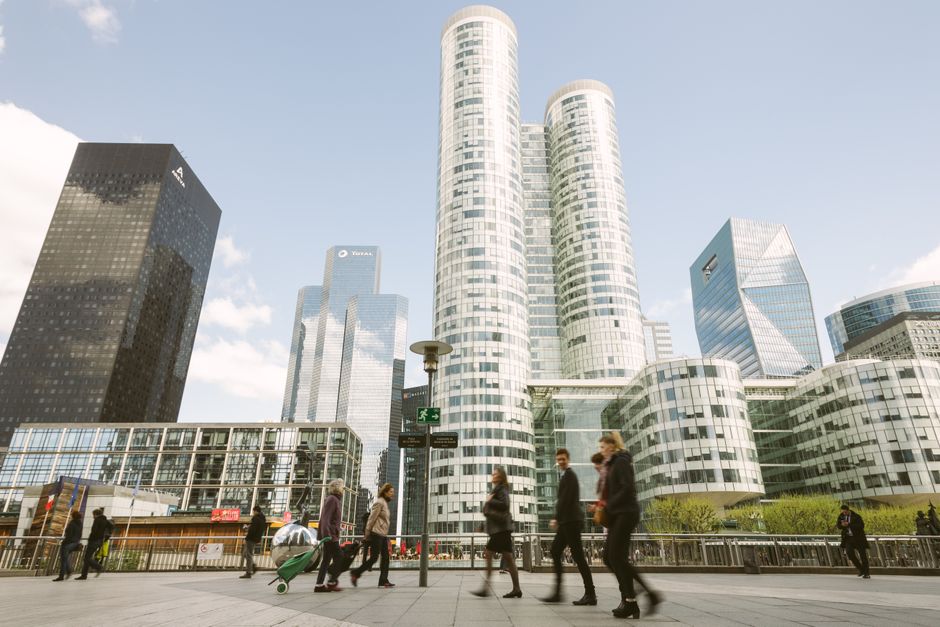
The geography of opportunity matters. While the Marais remains the symbolic heart of Paris's tech scene, with coworking spaces and venture firms clustered around Rue de Turenne and Place des Vosges, the real action has decentralized. Station F in the 13th arrondissement now houses over 1,000 startups and remains Europe's largest startup campus. Increasingly, growing companies are establishing offices in La Défense's tech corridors, drawn by more spacious facilities and lower commercial rents—currently averaging €550 per square meter compared to €1,200 in central Marais locations.
But funding abundance doesn't guarantee job security. Early-stage funding rounds (seed to Series B) often mean compressed salaries. Tech professionals in Paris can expect 15-25% lower base compensation than equivalent London or Berlin roles, partly offset by stock options that may or may not materialize. Mid-market startups (Series C-D) increasingly offer more competitive packages, though equity vesting periods of four years remain standard and often risky if founders exit or pivot unexpectedly.
The talent competition is intensifying. With 12,000+ new tech jobs created annually in the Paris region, employers are selective. Technical skills remain paramount, but increasingly, startups seek professionals who understand regulatory frameworks—France's data protection requirements and labor laws create friction that experienced hires can navigate. Language matters too: English fluency is non-negotiable, and multilingual capabilities command premium offers.
Job seekers should scrutinize funding sources carefully. American venture firms now dominate Paris funding rounds, bringing different expectations around work culture and hours. French-backed firms like Raise or Bpifrance-supported startups tend toward more traditional labor practices. Understanding investor composition—available through Crunchbase or French startup databases like Linked Items—offers insight into company trajectory and potential pressure for rapid scaling.
One overlooked advantage: Paris's startup employees retain unusually strong legal protections. French labor law mandates 25 days minimum annual leave and strict limits on working hours. Compared to startup environments in the US or parts of Asia, this provides structural protection against unsustainable schedules, even as cultural pressure to perform intensifies.
The current moment favors professionals who combine technical expertise with patience. Capital is abundant, but sustainable, profitable startups remain rare. Job seekers entering this ecosystem should negotiate carefully, understand equity structures thoroughly, and recognize that the healthiest startup careers involve calculated risk rather than blind faith.
This article was compiled by AI from the sources linked above and screened before publishing. See our editorial standards.