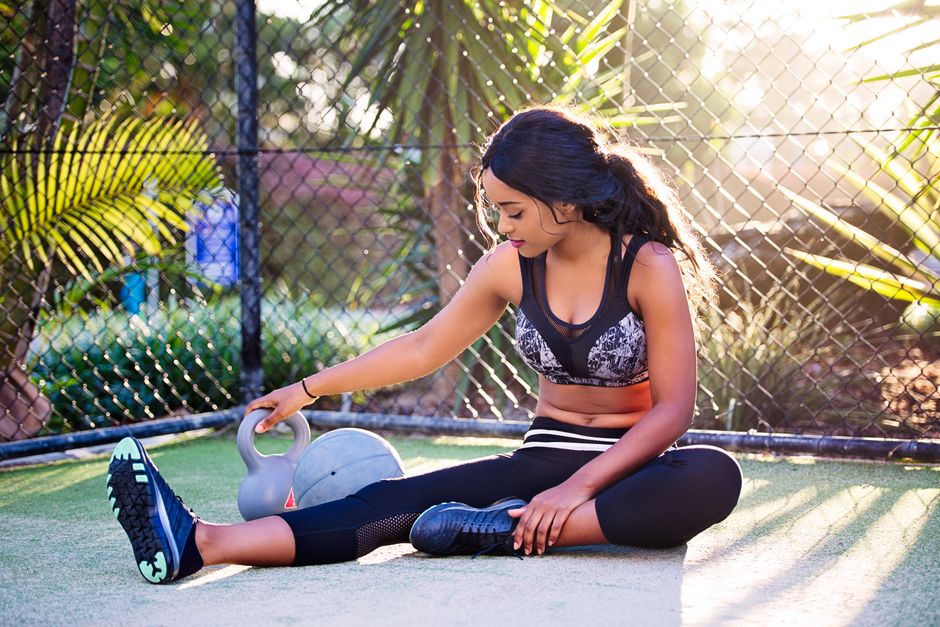
Walk down King Street in Newtown or Brunswick Street in Fortitude Valley and you'll spot the unmistakable signs: new gymnasium signage, construction hoardings, and the sound of weights clanging through converted warehouses. Sydney's gym infrastructure is undergoing a quiet revolution, driven by a fitness-conscious population willing to invest in quality facilities and a surge in boutique training concepts that demand purpose-built spaces.
The numbers tell the story. According to recent fitness industry analysis, the Greater Sydney region now supports over 450 registered gym facilities—a 23 per cent increase since 2022. Premium memberships, ranging from $200 to $300 monthly, have become increasingly common as operators move beyond basic cardio-and-weights offerings.
Inner-city precincts are leading this transformation. In Parramatta, a $12 million renovation of the heritage Prince Alfred Park precinct has included a state-of-the-art fitness hub featuring Olympic-standard strength equipment and dedicated recovery zones. Meanwhile, Alexandria and Zetland have seen boutique CrossFit boxes and functional training studios proliferate in former industrial spaces, capitalising on Sydney's warehouse-to-wellness conversion trend.
"Infrastructure investment directly correlates with participation rates," says the Fitness Australia network, which tracks facility development across Australian cities. The organisation notes that suburbs with modern, multi-purpose training venues report 40 per cent higher engagement in structured fitness programmes.
But it's not just about luxury chains. Community facilities are adapting too. Eastern Suburbs Council has upgraded six local pools and gymnasium spaces over the past 18 months, investing $8 million into accessible, affordable training infrastructure. Roseberry Pool and Leisure Centre now features dedicated strength zones and complimentary health coaching sessions—reflecting a broader commitment to democratising premium fitness experiences.
The trend extends to specialised venues. The emergence of dedicated recovery hubs—offering cryotherapy, infrared saunas, and physiotherapy services—across Surry Hills and the CBD indicates that Sydneysiders view fitness holistically. Companies like Restore Wellness Collective have opened multiple locations, charging $35-$50 per session for recovery-focused services that complement traditional gym training.
Industry observers note that this infrastructure boom responds to genuine lifestyle shifts accelerated by the pandemic. Remote work has enabled Sydneysiders to prioritise health and wellness, while younger demographics increasingly demand facilities that combine training with social and community elements.
The challenge now is equitable distribution. While inner-west and eastern suburbs have seen substantial facility upgrades, outer suburbs like Mount Druitt and Penrith remain underserved relative to population demand—a gap that council planners and private operators are beginning to address.
This article was compiled by AI from the sources linked above and screened before publishing. See our editorial standards.